

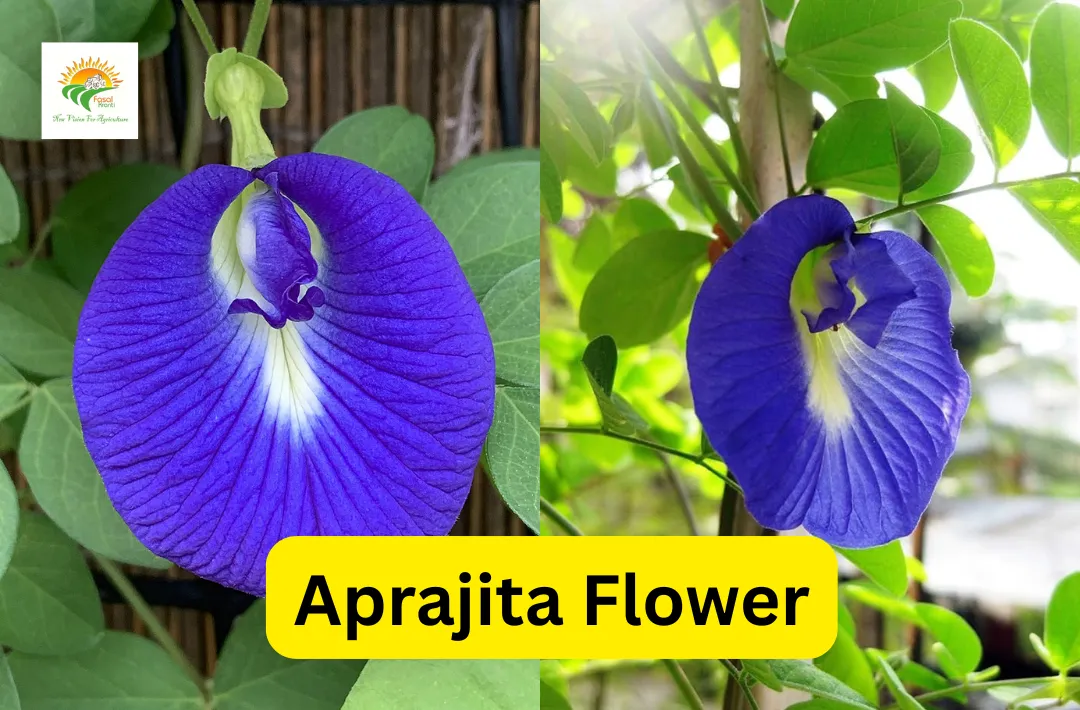
Aprajita Flower, also known as Butterfly Pea, is gaining strong attention in 2026 as a profitable and sustainable crop. With changing consumer preferences toward herbal and chemical-free products, this flower has moved beyond traditional use and entered commercial markets. Farmers are now seeing it as a low-cost crop with high returns. Its demand is increasing in urban areas due to its use in herbal tea, natural color, and wellness products. This shift is creating new income opportunities, especially for small and marginal farmers who want to explore modern farming with less risk.
Aprajita Flower Benefits: Health, Market and Soil Advantage
Aprajita Flower offers multiple benefits that make it a valuable crop. It is widely used in blue tea, which is rich in antioxidants and supports immunity, digestion, and mental relaxation. As people are becoming more health conscious, the demand for such herbal drinks is rising steadily. Apart from this, the flower is used as a natural food color in beverages and desserts, which increases its commercial value. On the farming side, Aprajita is a leguminous plant that helps fix nitrogen in the soil, improving fertility and reducing the need for chemical fertilizers. This makes it beneficial for both income and soil health.
Suitable Climate and Soil Conditions for Better Growth
Aprajita Flower grows well in warm and tropical climates, making it suitable for most regions of India. The plant needs around 5 to 6 hours of sunlight daily for proper flowering. It can tolerate different weather conditions but performs best in moderate temperatures. In terms of soil, well-drained loamy soil is ideal, although it can also grow in slightly sandy soil. The key requirement is proper drainage, as waterlogging can harm the roots. Due to its adaptability, the crop can be grown in open fields, gardens, or even in containers at home.
Sowing and Planting Process for Healthy Crop Development
The sowing process of Aprajita Flower is simple and farmer-friendly, making it suitable even for beginners. Good quality seeds should be selected to ensure better germination and growth. Seeds can be sown directly in the field or in nursery trays. The best time for sowing is during spring or early monsoon when the temperature supports quick growth. Proper spacing between plants is important to allow airflow and reduce disease risk. Since it is a climbing plant, providing support like sticks or trellis helps in better development and increases flower production.
Irrigation and Nutrient Management for Strong Plants
In the initial stage, regular watering is necessary to support germination and early growth. Once the plant is established, it requires less water and can tolerate short dry periods. Overwatering should be avoided as it may damage the roots. For better growth, organic manure like compost or vermicompost can be added to the soil. This not only improves plant health but also enhances flower quality. Balanced nutrient management ensures that the plant remains healthy and produces flowers continuously over a longer period.
Harvesting and Drying Process for Maximum Market Value
Aprajita Flower starts flowering within 6 to 8 weeks after sowing, which allows farmers to begin harvesting early. Flowers should be picked when they are fully open, as this stage offers the best quality for market use. Regular harvesting encourages more flowering and increases yield. For commercial purposes, especially blue tea production, flowers are dried carefully. Shade drying is the best method because it helps retain the natural color and nutritional value. Proper drying and storage are important to maintain quality and fetch better prices in the market.
Market Demand and Income Opportunities in 2026
In 2026, the market demand for Aprajita Flower is growing rapidly due to increased awareness of herbal products. Blue tea has become popular in cities and among health-conscious consumers, which has created a steady demand for dried flowers. Farmers can sell their produce in local markets, herbal stores, or supply directly to tea companies. Online selling is also becoming a strong option, especially for value-added products. By converting dried flowers into packaged tea or herbal blends, farmers can increase their profit margins significantly.
Smart Farming Tips to Increase Yield and Profit
Better yield in Aprajita Flower farming comes from consistent care and small improvements in daily practices. Regular trimming of the plant encourages more side branches, which leads to higher flower production over time. Maintaining soil health through compost or vermicompost keeps the crop strong and improves the overall quality of flowers. Although pest issues are usually minimal, using natural solutions like neem-based sprays helps protect the crop without affecting its organic value. Harvesting at the right stage, when flowers are fresh and fully open, ensures better color and higher market demand. Along with production, farmers should pay attention to clean packaging and simple branding, as well-presented products often attract premium buyers and improve overall income.
Role of Aprajita Flower in Modern and Sustainable Agriculture
Aprajita Flower is becoming a practical choice in today’s farming systems where farmers are focusing on low cost, eco-friendly methods, and stable income. Its ability to grow with minimal inputs makes it suitable for sustainable agriculture, especially in areas where resources like water and fertilizers are limited. Farmers can easily include it in mixed cropping systems, which helps in better land use and reduces risk compared to single-crop farming. This plant also supports organic farming because it requires very little chemical use and naturally improves soil fertility through nitrogen fixation. Many growers are now cultivating Aprajita Flower in controlled setups like polyhouse or even terrace gardens to maintain regular supply throughout the year. Its simple cultivation process and low maintenance needs make it a good option for women farmers, self-help groups, and small entrepreneurs who want to start agriculture-based ventures with limited investment and steady returns.
Remarks
Aprajita Flower is emerging as a smart crop choice for 2026 due to its multiple uses, growing demand, and easy cultivation process. It offers farmers a chance to earn better income with minimal investment while also improving soil health. As the trend of herbal and organic products continues to grow, this crop has strong future potential. Farmers who adopt Aprajita Flower farming with proper planning and market strategy can build a stable and profitable farming model.
FAQs on Aprajita Flower Farming
1. What is Aprajita Flower mainly used for?
It is mainly used for making blue tea, herbal products, and natural food color.
2. How long does it take for Aprajita Flower to grow?
The plant starts flowering within 6 to 8 weeks after sowing.
3. Is Aprajita Flower farming suitable for small farmers?
Yes, it requires low investment and can be grown on small land or even in pots.
4. What is the best method to dry Aprajita flowers?
Shade drying is the best method to preserve color and quality.
5. Can Aprajita Flower be grown throughout the year?
Yes, in suitable climates or protected conditions like polyhouse, it can be grown year-round.






























Sign in to leave a comment.