

Deciding whether to invest in professional equipment is one of the most important decisions a chiropractic practice can make. Among these, chiropractic tools play a central role in delivering effective care, increasing patient satisfaction, and improving clinical efficiency. From traditional manual instruments to advanced mechanized devices, the right tools can shape the way treatments are performed and how patients perceive the quality of care.
This article explores the value of investing in chiropractic tools by examining their benefits, potential challenges, and long-term impact on both patient care and practice growth.
Understanding Chiropractic Tools
What Chiropractic Tools Include
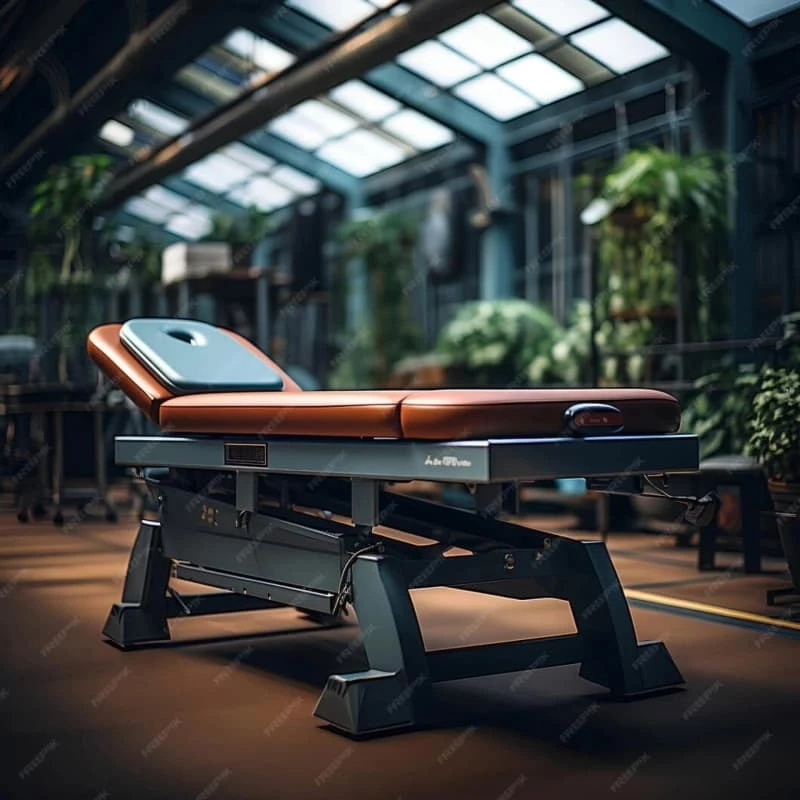
Chiropractic tools refer to a wide range of instruments used to support spinal adjustments and therapeutic care. These may include manual tools like activators and adjusting instruments, advanced decompression tables, traction devices, and ergonomic support systems.
Each type of tool serves distinct purposes in diagnosis, adjustment delivery, and patient comfort. Practitioners select tools based on treatment style, patient needs, and clinical goals.
Why Tools Matter in Practice
The tools used in chiropractic care influence both treatment effectiveness and patient experience. Well-designed instruments help chiropractors deliver precise adjustments while reducing physical strain. They also expand the clinic’s ability to serve a diverse patient population with varying comfort thresholds and therapeutic requirements.
Investing in quality tools enhances clinical versatility and supports consistent outcomes over time.
Benefits of Investing in Chiropractic Tools
Improved Treatment Precision
High–quality chiropractic tools allow practitioners to apply therapeutic force with greater accuracy. Advanced instruments help target specific joints, discs, or spinal segments precisely, reducing the likelihood of unintended stress on surrounding tissues.
Precision leads to better clinical outcomes, as adjustments can be tailored to each patient’s unique spinal condition. This level of sophistication sets professional care apart from approaches that rely solely on basic manual techniques.
Enhanced Patient Comfort
Comfort plays a significant role in patient satisfaction and retention. Tools that offer gentle or controlled adjustments make treatment more accessible to patients who may be sensitive to manual manipulation. For example, instrument-assisted devices and decompression systems often appeal to individuals who prefer low-force therapy.
When patients feel comfortable and safe, they are more likely to follow through with recommended care plans and continue visits.
Financial Considerations for Practices
Return on Investment Over Time
Investing in chiropractic tools is often associated with upfront costs that may seem substantial for new or growing practices. However, the value of these tools becomes apparent over time through increased treatment efficiency, improved outcomes, and enhanced patient satisfaction.
Tools that support a broader range of services can attract new patients, lead to longer treatment plans, and improve word-of-mouth referrals. These factors contribute to a return on investment that extends beyond the initial purchase.
Reducing Practitioner Fatigue
Chiropractic tools can help reduce physical strain on practitioners, especially in high-volume practices. Devices such as adjustable tables and instrument-assisted actuators minimize the need for repetitive manual force. This reduction in physical effort contributes to practitioner longevity, reduced risk of injury, and better overall performance.
A healthier and more comfortable practitioner delivers higher quality care consistently.
Patient Experience and Practice Growth
Building Patient Trust
Modern, well-maintained chiropractic tools communicate professionalism and care quality. Patients often associate advanced equipment with credibility and expertise. This perception increases confidence in the treatment process and encourages long-term engagement.
A strong patient experience supports loyalty and enhances the clinic’s reputation within the community.
Catering to Diverse Needs
Every patient presents unique needs and comfort preferences. Some respond well to traditional hands-on adjustments, while others benefit from instrument-assisted methods or decompression therapy. Investing in a versatile set of chiropractic tools enables practitioners to deliver personalized care that meets a wider range of needs.
This flexibility increases patient inclusivity and helps practices stand out for thoughtful, patient-centered approaches.
Challenges and Considerations
Initial Cost Barriers
The upfront cost of acquiring chiropractic tools can be a hurdle, particularly for smaller clinics. Equipment such as advanced tables or motorized devices may require significant financial investment. To manage costs effectively, practices should evaluate tools based on clinical needs, estimated usage, and long-term benefits.
Careful budgeting and prioritization help ensure that investments align with strategic goals.
Training and Integration
Introducing new tools requires proper training for chiropractors and staff. Without adequate knowledge, even the best equipment may not be used to its full potential. Training ensures that tools are applied safely, effectively, and confidently during treatments.
Ongoing education also supports innovation and keeps the practice up-to-date with evolving chiropractic care methods.
Long-Term Practice Impact
Supporting Clinical Excellence
Chiropractic tools enable practices to operate at a higher standard of care. As practitioners incorporate advanced instruments into their routines, they can deliver nuanced adjustments with greater consistency. This alignment with best practices supports clinical excellence and contributes to better overall health outcomes for patients.
Adapting to Future Trends
The chiropractic field continues to advance, with new tools emerging to enhance therapeutic possibilities. Clinics that invest thoughtfully in equipment today are better prepared to adapt to future innovations. Embracing technology and modern tools positions practices to remain competitive and responsive to changing patient expectations.
Staying current with industry trends contributes to sustained growth and relevance.
Making an Informed Investment Decision
Assess Clinic Needs
Before purchasing chiropractic tools, evaluate your clinic’s specific needs, treatment styles, and patient population. Consider current limitations and desired areas of expansion. Understanding your practice’s goals will guide informed decisions about which tools will deliver the greatest impact.
Explore Cost Versus Value
Compare the cost of equipment with the value it brings to clinical performance and patient experience. Look at long-term benefits, return on investment, and how tools fit into your strategic vision. This balanced approach ensures that financial decisions support both operational needs and quality care.
Conclusion
Investing in quality equipment is an essential part of building a successful chiropractic practice.
The chiropractic tools you choose directly influence treatment efficacy, patient comfort, and professional reputation.
While initial costs and training requirements may present challenges, the long-term benefits include improved outcomes, enhanced patient satisfaction, and greater practice growth potential. Thoughtful selection of tools aligned with clinical goals ensures that your investment delivers meaningful value. For clinics seeking reliable support and industry-leading solutions in chiropractic equipment, Advanced Chiropractic Equipment stands out as a trusted partner in elevating chiropractic care.
































Sign in to leave a comment.