

Delivering accurate and comfortable spinal care depends heavily on the equipment used in a clinical setting. Among all tools, chiropractic adjusting tables play a critical role in supporting patient positioning, practitioner technique, and overall treatment effectiveness. A well designed table enhances precision, improves patient trust, and allows practitioners to perform adjustments with confidence and control. Understanding what makes an adjusting table truly effective helps clinics elevate the quality of care they provide.
Understanding the Role of Adjusting Tables in Chiropractic Care
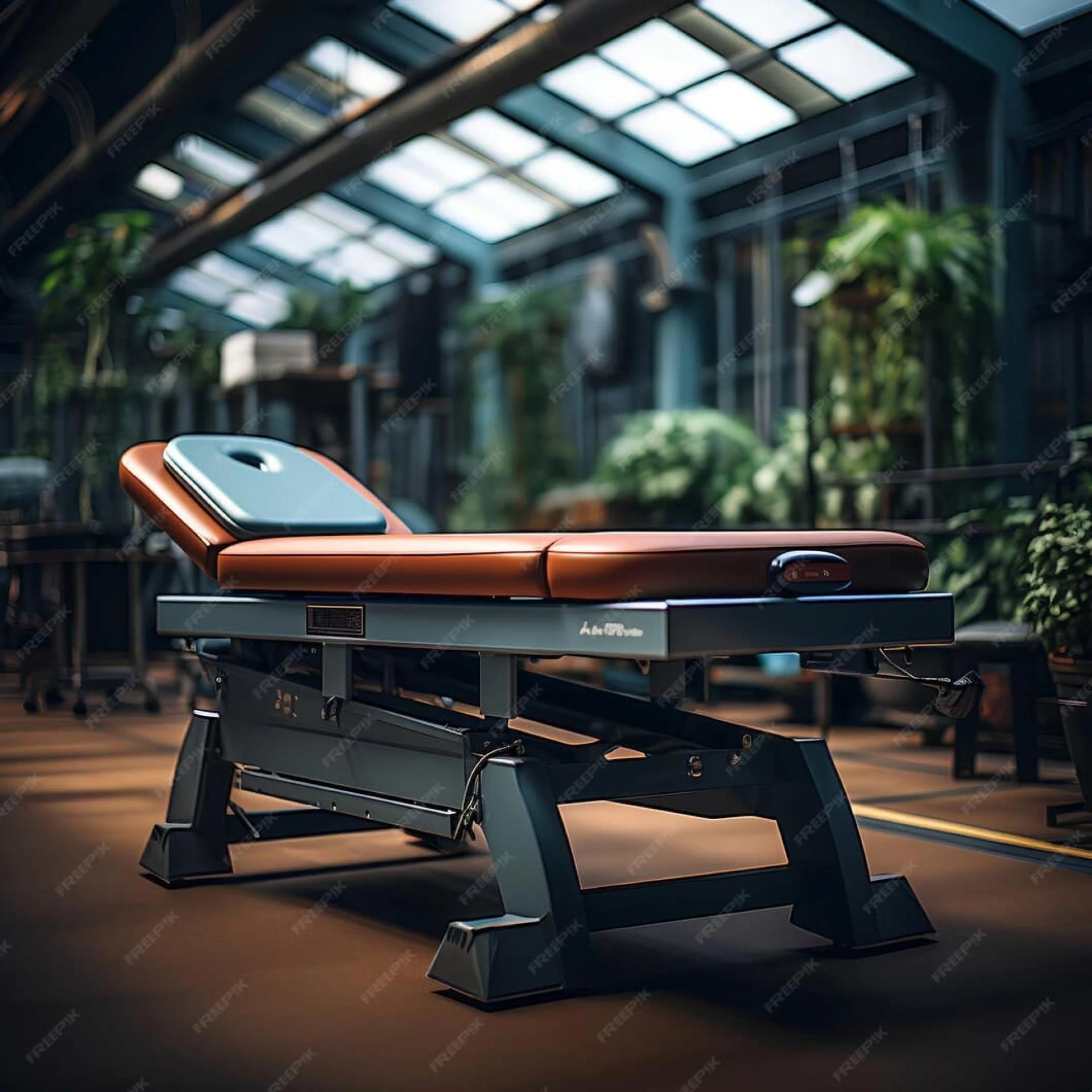
Chiropractic care focuses on restoring proper alignment and function of the musculoskeletal system. The adjusting table serves as the foundation for this work. It supports the body in a way that allows targeted force application while maintaining patient comfort and safety.
Supporting Proper Patient Positioning
Accurate adjustments rely on precise patient positioning. An adjusting table provides the stability and flexibility needed to place the spine, pelvis, or extremities in optimal alignment. Adjustable sections help accommodate different body types and treatment approaches.
Enhancing Practitioner Control and Precision
A stable table allows practitioners to apply controlled force without unnecessary strain. Features such as drop sections or elevation controls reduce physical effort and improve consistency during adjustments. This leads to better outcomes and less fatigue over time.
Key Features of High Quality Chiropractic Adjusting Tables
Not all adjusting tables offer the same level of performance. Several features distinguish tables designed for precision care from basic models.
Structural Stability and Durability
A strong frame is essential for maintaining stability during adjustments. High quality materials ensure the table remains steady under pressure and resists wear from frequent use. Durability also protects the long term investment of the clinic.
Adjustable Height Mechanisms
Height adjustability allows practitioners to work at an ergonomic level. This reduces strain on the back, shoulders, and wrists. Electric or hydraulic systems offer smooth transitions, while manual options provide reliable simplicity.
Drop Section Technology
Drop sections enable quick, precise movements during adjustments. These sections release slightly when force is applied, allowing effective correction with minimal effort. This feature is especially valuable for patients who require gentler techniques.
Types of Chiropractic Adjusting Tables
Different treatment styles call for different table designs. Understanding the main types helps clinics select equipment that aligns with their approach to care.
Fixed Chiropractic Tables
Fixed tables offer a stable and straightforward design. They are often used for traditional manual adjustments and are valued for their simplicity and reliability. While they lack advanced adjustability, they provide consistent support.
Elevation and Flexion Tables
Elevation tables allow height changes, while flexion tables support movement of the spine during treatment. These tables are commonly used for disc related conditions and decompression techniques. Their versatility makes them suitable for a wide range of patients.
Portable Chiropractic Tables
Portable tables are designed for mobility and convenience. They are lightweight and easy to transport, making them ideal for practitioners who provide care outside a traditional clinic. While they may lack advanced features, they still offer essential support.
Importance of Patient Comfort and Safety
Precision care is not only about technique but also about the patient experience. Comfort and safety directly influence treatment success and patient satisfaction.
Cushioning and Upholstery Quality
Comfortable padding reduces pressure points and helps patients relax during treatment. High quality upholstery is easy to clean and resists wear. This maintains a professional appearance while ensuring hygiene standards.
Weight Capacity and Stability
A table must safely support patients of varying sizes. Adequate weight capacity and a stable base prevent movement during adjustments. This protects both the patient and the practitioner.
Ergonomic Benefits for Practitioners
Chiropractic care is physically demanding. Proper equipment supports practitioner health and longevity.
Reducing Physical Strain
Adjustable tables allow practitioners to maintain proper posture while working. This reduces repetitive strain injuries and supports long term career sustainability.
Improving Workflow Efficiency
Features such as quick adjustments and easy positioning streamline treatment sessions. Efficient workflow allows practitioners to focus more on patient care rather than equipment limitations.
Selecting the Right Adjusting Table for a Practice
Choosing the right table involves balancing functionality, space, and patient needs. Careful consideration ensures the table supports both current and future practice goals.
Evaluating Clinical Techniques Used
Different techniques require different table features. Clinics should assess whether they focus on manual adjustments, flexion based therapies, or a combination of approaches. This guides feature selection.
Considering Space and Layout
Clinic size and layout influence table choice. Larger tables with multiple features require adequate space for movement and access. Compact designs may be better suited for smaller treatment rooms.
Long Term Value and Maintenance
Investing in a quality table reduces maintenance issues and replacement costs. Easy to service components and durable materials contribute to long term value.
How Precision Tables Improve Patient Outcomes
The right adjusting table enhances treatment effectiveness and patient confidence.
Consistency in Adjustments
Stable and adjustable tables allow practitioners to deliver consistent force and positioning. Consistency improves treatment accuracy and supports better clinical outcomes.
Building Patient Trust
Patients who feel comfortable and supported are more likely to trust the care they receive. A professional table design reinforces confidence in the practitioner and the treatment process.
Trends in Modern Chiropractic Adjusting Tables
Advancements in design and technology continue to improve chiropractic equipment.
Integration of Advanced Controls
Modern tables often include intuitive control systems for height and section adjustments. These features enhance precision and reduce manual effort.
Focus on Versatility
Tables designed to accommodate multiple techniques are becoming more popular. Versatility allows clinics to adapt to diverse patient needs without investing in multiple tables.
Conclusion
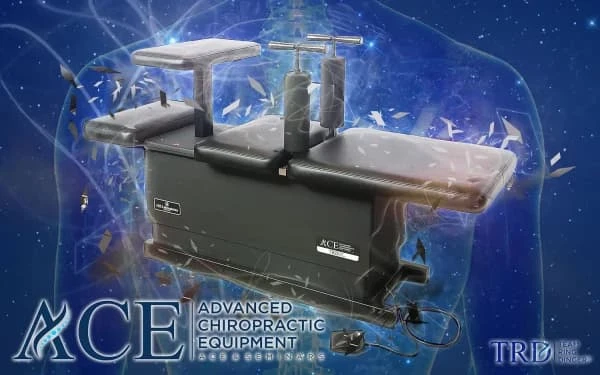
Precision care in chiropractic practice depends on the tools that support both practitioner skill and patient comfort. Selecting the right adjusting table enhances accuracy, safety, and overall treatment quality. By focusing on stability, adjustability, and ergonomic design, clinics can create an environment that promotes effective care and long term success. For practices seeking dependable solutions and professional guidance, Advanced Chiropractic Equipment LLC remains a trusted name in supporting high quality chiropractic care.































Sign in to leave a comment.