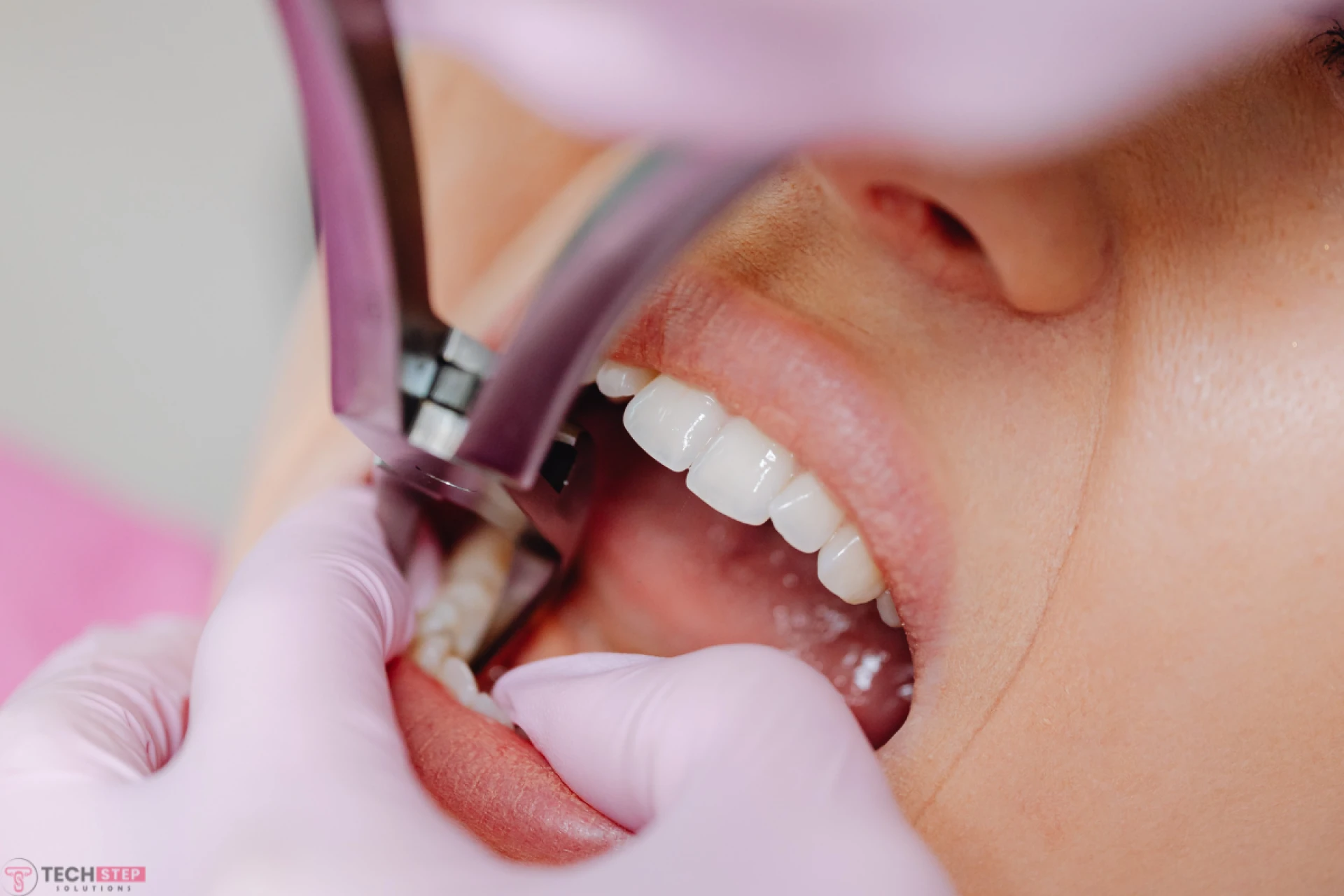

If your dentist has suggested dental sealants for your child, you’ve likely asked: Are dental sealants safe?
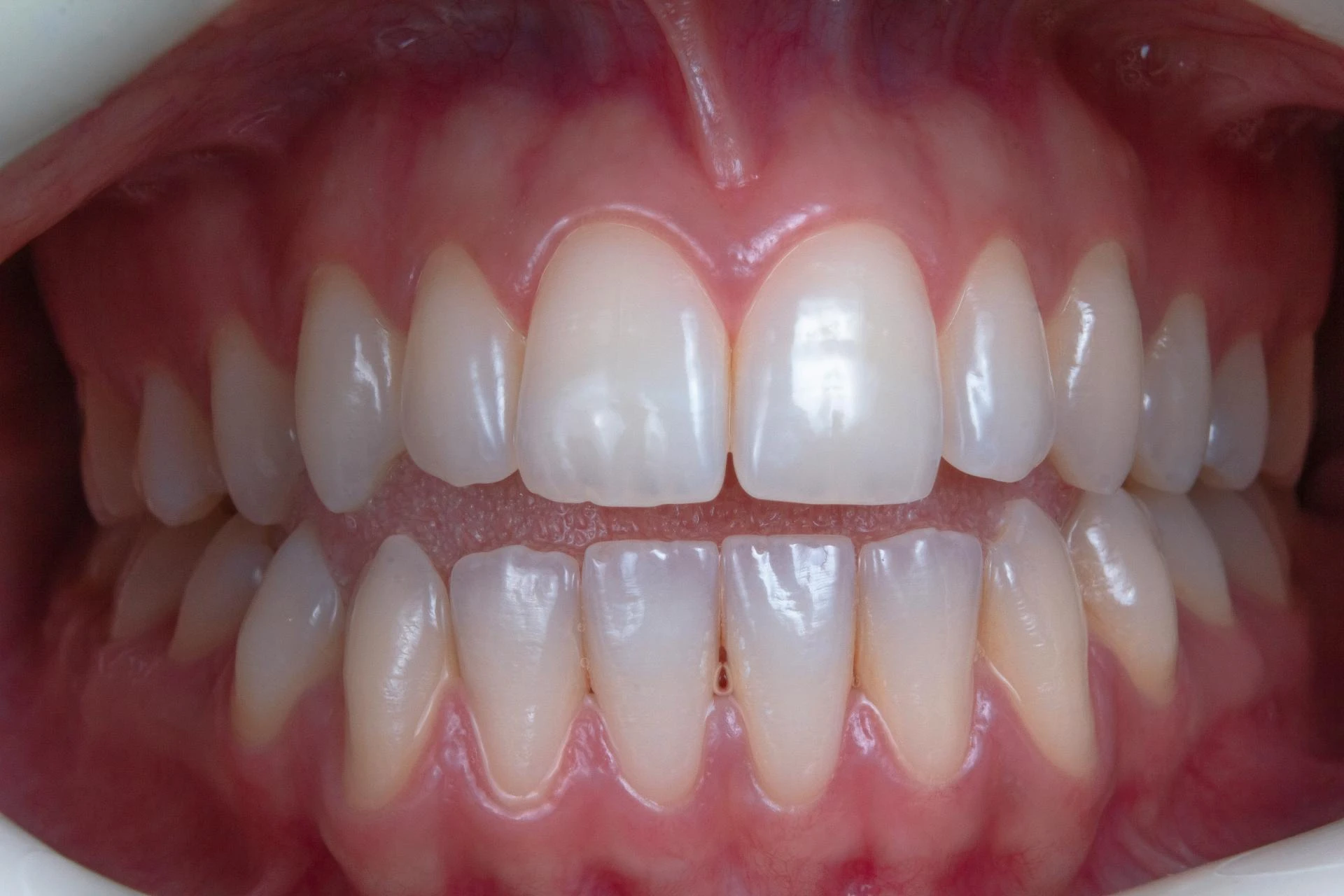
It’s a common and understandable concern. Dental sealants are thin protective coatings applied to the chewing surfaces of back teeth to prevent cavities. Molars have deep grooves where food and bacteria can hide, making them more prone to decay. Sealants act as a barrier, protecting teeth and making them easier to clean.
The procedure is fast, painless, and invisible. For many families, sealants are a simple way to prevent more serious dental problems later.
What Are Dental Sealants?
Think of sealants as a raincoat for teeth. They cover the grooves and fissures on molars and premolars, shielding them from plaque and bacteria.
Even with proper brushing, these grooves can trap food and germs. Sealants flow into these areas and harden, creating a smooth surface that is easier to clean.
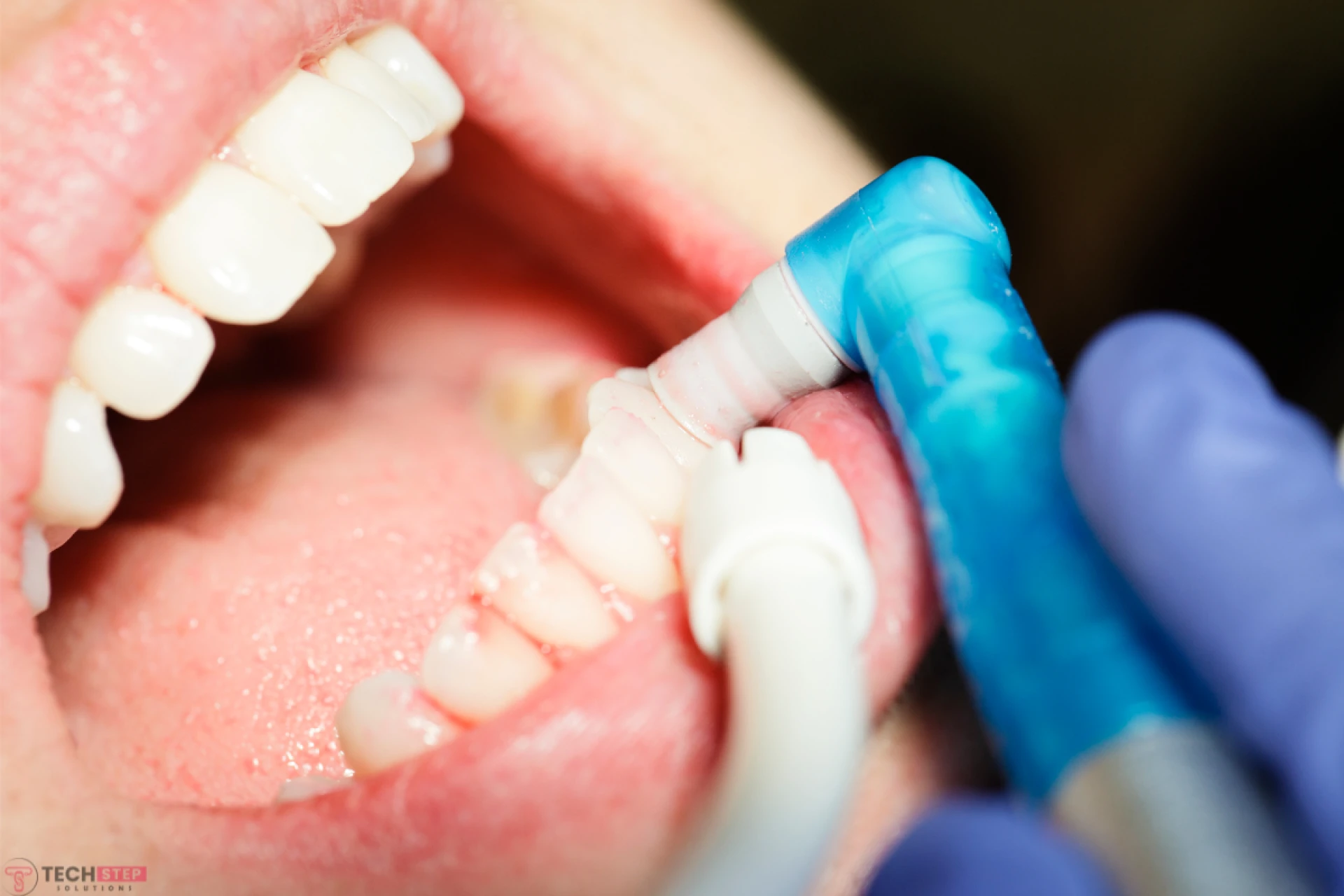
How Sealants Are Applied:
- Teeth are cleaned thoroughly
- A bonding gel is applied
- Sealant is painted onto the tooth
- A curing light hardens the sealant
No drilling, no shots, no pain. Children and adults with healthy molars can benefit.
Preventive Dentistry at Rise Dentistry in Magnolia TX
At Rise Dentistry in Magnolia TX, preventive care is key to keeping teeth healthy. Dental sealants are part of a strategy to stop cavities before they start.
Benefits of professional sealant application include:
- Complete evaluation of each tooth
- Safe, hygienic application
- High-quality materials
- Regular monitoring during checkups
- Reapplication if needed
Sealants aren’t a one-time solution. Regular dental visits ensure they remain effective, giving both children and adults long-term protection.
Are There Any Risks?
Some parents worry about BPA. While some sealants contain trace BPA-related compounds, the exposure is extremely low—far less than what we encounter daily from the environment. Dentists rinse and polish teeth after application to minimize exposure.
Allergic reactions are very rare, and sealants are made to be safe for use in the mouth. Another myth is that sealants can trap cavities. In reality, sealants are only applied to healthy teeth or very early areas of concern, helping prevent decay from progressing.
Overall, sealants are widely regarded as a safe and effective preventive treatment.
The Big Picture: Why Sealants Are Worth It
Cavities are one of the most common dental issues in children, but they are largely preventable. Sealants provide extra protection for vulnerable teeth and complement daily brushing, flossing, and regular dental visits.
A quick sealant appointment today can prevent fillings, pain, and higher dental costs in the future.
So, are dental sealants safe? Yes—they are a simple, proven, and trusted method to protect teeth. Talk with your dentist to see if sealants are right for your child or yourself. Prevention is a small step that pays off in a lifetime of healthy smiles.































Sign in to leave a comment.