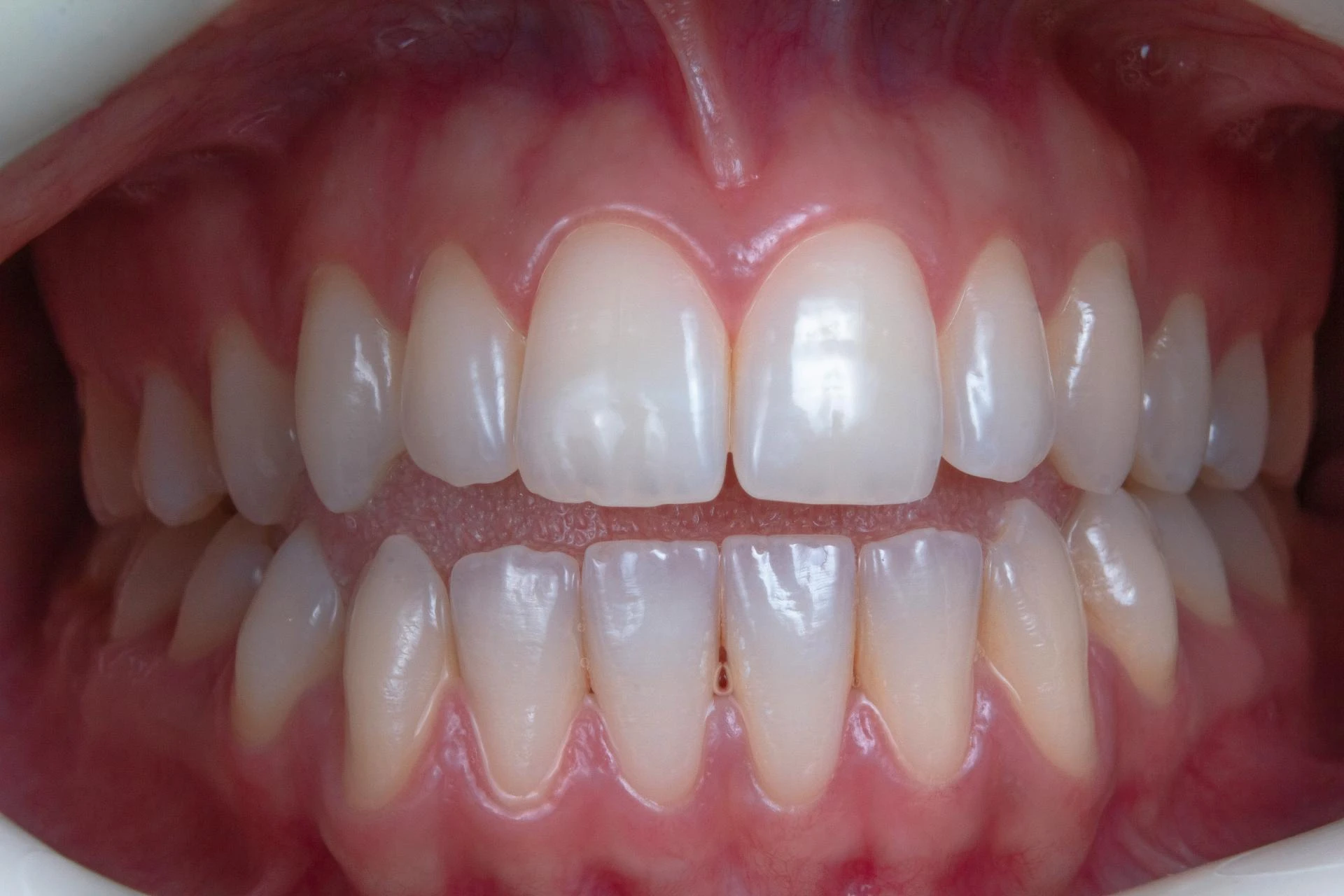

Wisdom teeth removal is a common dental procedure recommended to prevent pain, infection, and overcrowding of teeth. While the extraction itself is usually straightforward, many patients feel uncertain about how to care for their mouth afterward. One of the most frequently asked questions is: Can I brush my teeth after wisdom teeth removal?
Maintaining oral hygiene is essential for healing, but brushing incorrectly or too soon can lead to complications. In this article, Rise Dentistry explains the safest way to brush your teeth after wisdom teeth extraction and what steps you should follow to ensure proper recovery.
Why Oral Care Matters After Wisdom Teeth Removal
After a wisdom tooth is removed, a blood clot forms in the empty socket. This clot protects the exposed bone and nerves and allows the healing process to begin. If the clot becomes dislodged, it can result in a painful condition known as dry socket.
Because brushing involves movement and contact inside the mouth, patients must be cautious during the early stages of healing. Good oral hygiene is important, but it must be balanced with gentle care.
Can I Brush My Teeth After Wisdom Teeth Removal?
Yes, you can brush your teeth after wisdom teeth removal but only with proper timing and technique.
Dentists generally advise avoiding brushing near the extraction site for the first 24 hours. After that period, brushing can slowly resume with extra care.
Understanding when and how to brush helps reduce discomfort and prevents unnecessary complications.
The First 24 Hours After Surgery
The first day following wisdom teeth removal is the most critical part of the healing process.
During this time, patients should:
- Avoid brushing near the extraction area
- Refrain from rinsing or spitting forcefully
- Avoid mouthwash
- Do not use electric toothbrushes
If needed, you may gently clean the front teeth only, but it is often best to wait until the next day before brushing. This allows the blood clot to stabilize properly.
At Rise Dentistry, patients are encouraged to rest during the first 24 hours and avoid any activity that may disturb the surgical site.
Brushing After 24 Hours
Once the first day has passed, gentle brushing may begin.
Safe brushing tips include:
- Use a soft-bristled toothbrush
- Brush slowly and gently
- Avoid direct contact with the extraction sockets
- Do not apply pressure near the surgical area
At this stage, you may also rinse gently with warm salt water. This helps keep the mouth clean and reduces bacteria without irritating the healing tissue.
When Can Normal Brushing Resume?
Most patients can return to normal brushing routines within five to seven days, depending on how well healing progresses.
During this period:
- Continue using a soft toothbrush
- Brush carefully around back teeth
- Avoid aggressive scrubbing
- Be gentle if stitches are present
If dissolvable stitches were placed, they will typically disappear on their own within a few days. Rise Dentistry recommends following all post-operative instructions provided by your dentist, as recovery time may vary between individuals.
Risks of Brushing Too Soon
Brushing too early or too aggressively can cause several problems, including:
- Dry socket
- Increased bleeding
- Swelling and pain
- Infection
- Delayed healing
Dry socket is one of the most common post-extraction complications and can be very painful. It usually occurs when the protective blood clot is removed prematurely, which is why careful brushing is essential.
Additional Aftercare Tips
In addition to brushing carefully, the following habits can support a smooth recovery:
Avoid Smoking and Straws
Suction pressure can dislodge blood clots and slow healing.
Eat Soft Foods
Choose foods such as yogurt, soup, mashed potatoes, and smoothies without straws.
Stay Hydrated
Drink plenty of water, but avoid hot beverages during the first few days.
Maintain Gentle Oral Hygiene
Even limited brushing combined with saltwater rinses helps reduce bacteria.
Follow Professional Guidance
Always prioritize instructions provided by your dental professional.
When Should You Contact Your Dentist?
You should contact your dentist if you experience:
- Severe or worsening pain
- Bleeding that does not stop
- Bad taste or unpleasant odor
- Fever or increased swelling
- Difficulty opening your mouth
Early treatment can prevent complications and improve recovery outcomes.
Final Thoughts
So, can I brush my teeth after wisdom teeth removal?
Yes but gently, carefully, and at the right time.
Protecting the extraction site while maintaining oral hygiene is the key to successful healing. By following professional advice and avoiding rushed brushing, patients can reduce pain and recover more comfortably.
At Rise Dentistry, patient education and proper aftercare play an important role in long-term oral health. With the right approach, wisdom teeth recovery can be smooth, safe, and stress-free.




























Sign in to leave a comment.