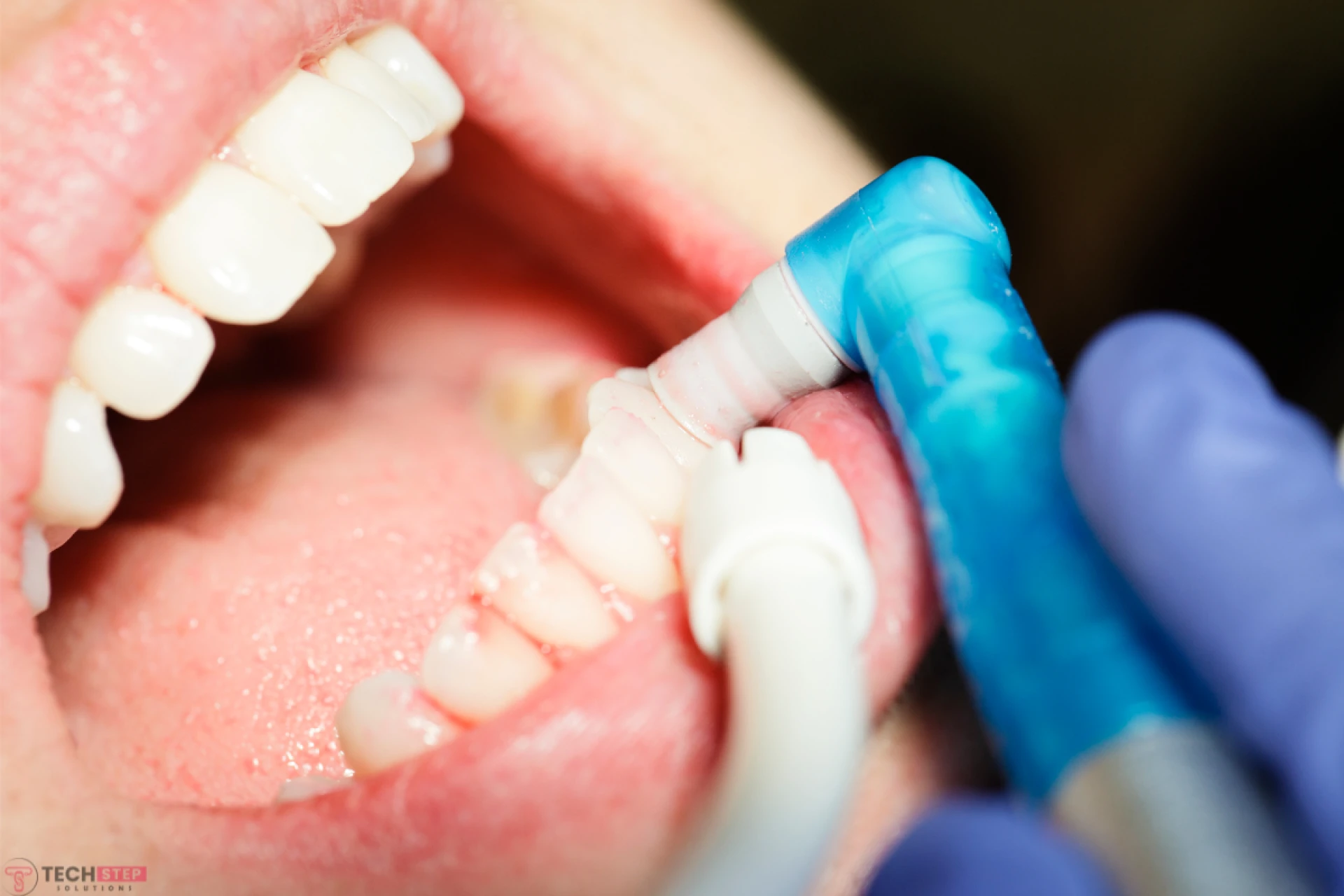

When it comes to enhancing your smile, one of the most common comparisons patients make is dental bonding vs veneers. Both treatments are widely used in cosmetic dentistry to improve the appearance of teeth, but they serve slightly different purposes. Understanding how they differ in terms of cost, durability, procedure, and results can help you decide which option best suits your needs.
If you are considering a smile upgrade, here’s everything you need to know.
What Is Dental Bonding?
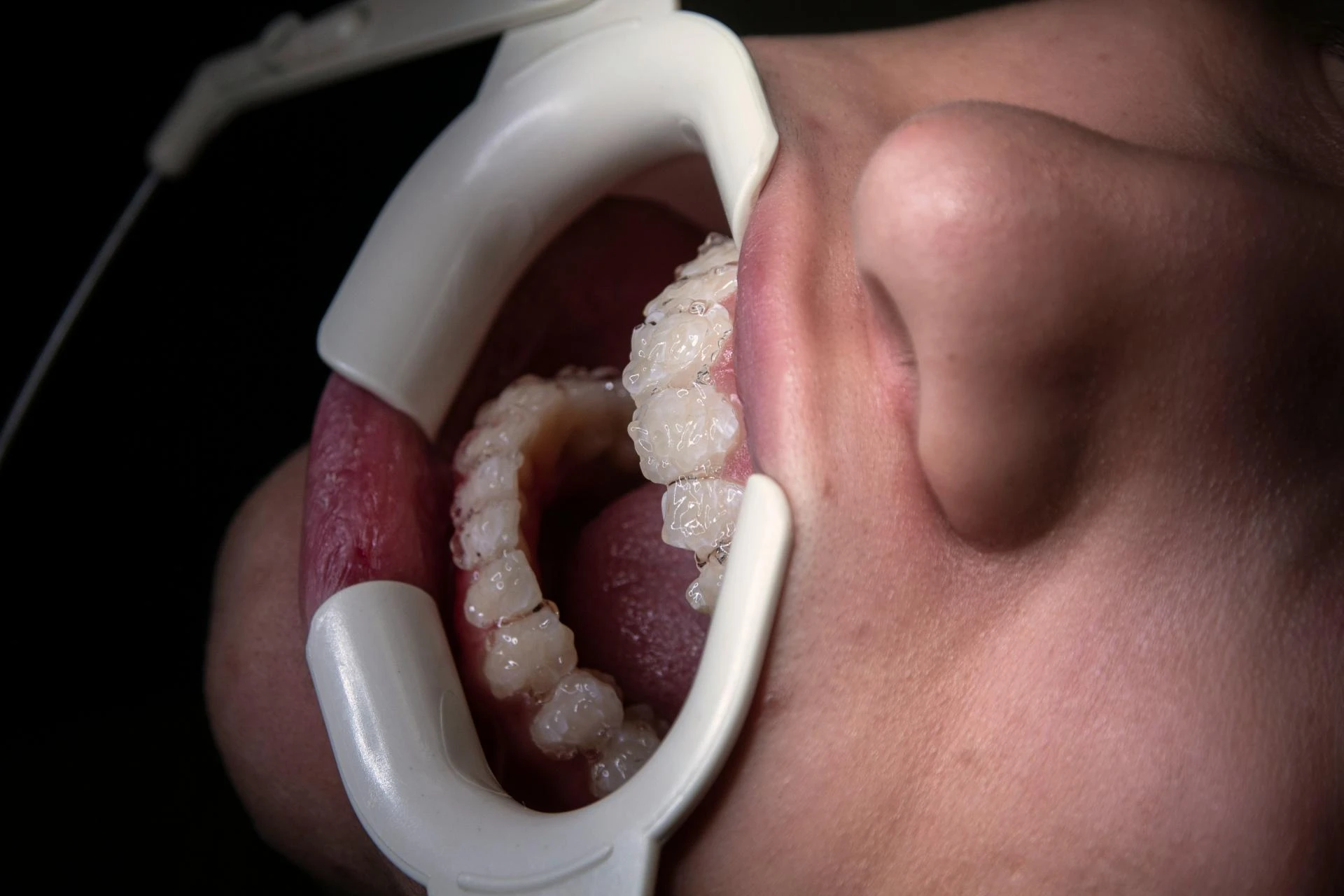
Dental bonding is a cosmetic procedure that uses a tooth-colored composite resin to correct minor imperfections. The resin is applied directly to the tooth, shaped carefully by the dentist, hardened with a special curing light, and polished to blend naturally with surrounding teeth.
Bonding is typically recommended for small chips, minor cracks, slight gaps, uneven edges, and localized discoloration. One of its biggest advantages is convenience. The procedure is usually completed in a single visit and often requires little to no removal of natural enamel. This makes it a conservative and minimally invasive option.
Another major benefit is affordability. Dental bonding generally costs less than veneers, making it ideal for patients looking for an effective but budget-friendly cosmetic solution. However, the composite material used in bonding is not as strong as porcelain. Over time, it may stain, chip, or wear down. With proper care, bonding usually lasts between three to seven years before requiring maintenance or replacement.
What Are Veneers?
Veneers are thin, custom-made shells that are bonded to the front surface of teeth to improve their appearance. They are most commonly made from porcelain, which is known for its durability and natural-looking finish.
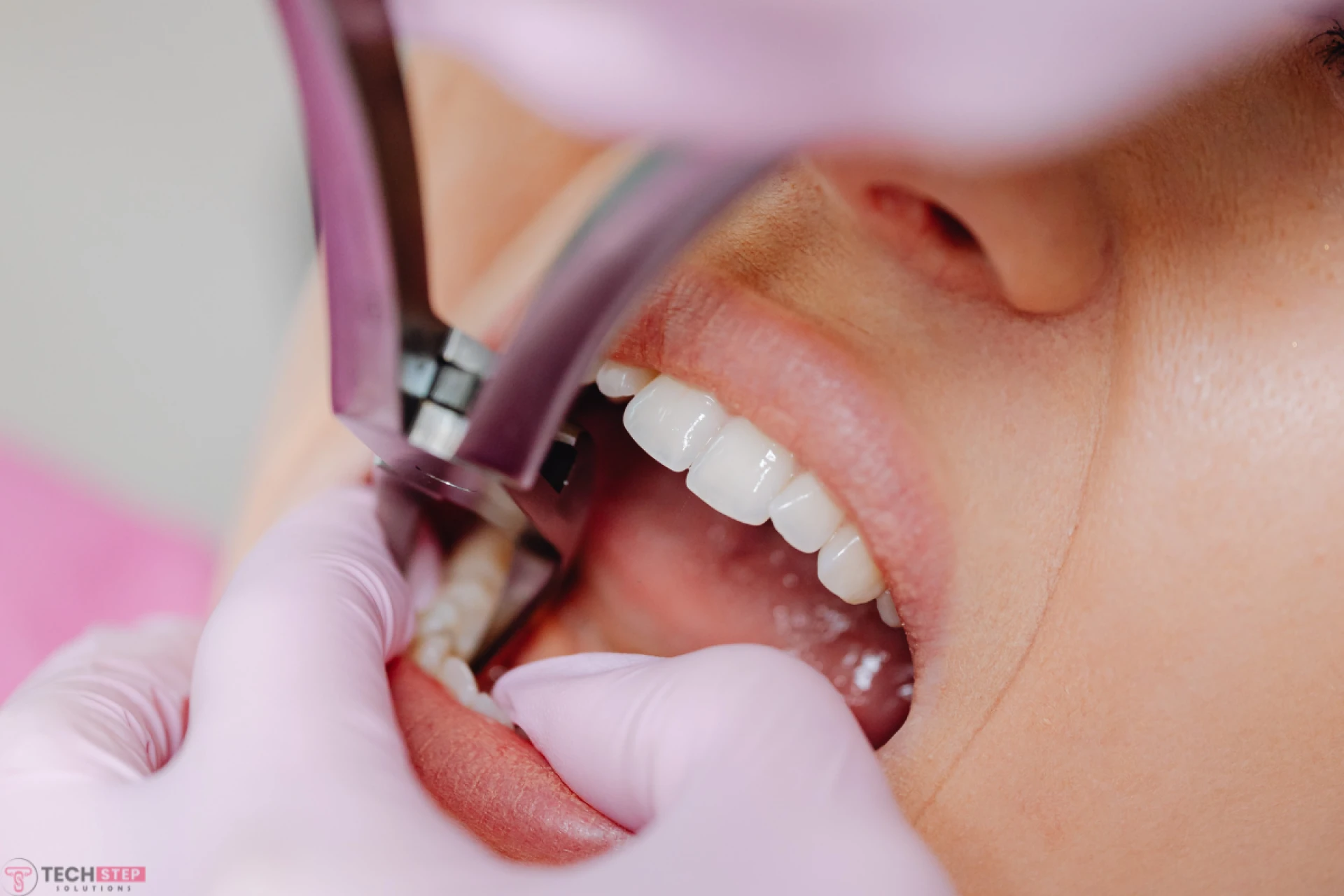
The veneer process typically requires two or more visits. During the first appointment, a small amount of enamel is removed from the tooth surface to ensure a proper fit. Impressions are then taken and sent to a dental laboratory where the veneers are crafted. At a follow-up appointment, the veneers are permanently bonded to your teeth.
Porcelain veneers are highly resistant to staining and mimic the translucency of natural enamel. They are ideal for patients seeking a more dramatic transformation. Veneers can address multiple cosmetic concerns at once, including severe discoloration, worn enamel, uneven spacing, and slightly misaligned teeth.
Although veneers involve a higher initial investment compared to bonding, they often last 10 to 15 years or longer with proper oral hygiene and routine dental visits.
Dental Bonding vs Veneers at Rise Dentistry in Magnolia TX
When comparing dental bonding vs veneers, several key differences should be considered.
Cost is often the first factor. Bonding is typically more affordable upfront, making it suitable for minor cosmetic improvements. Veneers require a larger investment but provide longer-lasting and more durable results.
Durability is another important consideration. Bonding can last several years but may need touch-ups sooner. Porcelain veneers are stronger, more resistant to staining, and better suited for long-term wear.
The procedure timeline also differs. Bonding is usually completed in a single appointment and requires minimal preparation. Veneers involve multiple visits and enamel reshaping but deliver a more comprehensive smile makeover.
At Rise Dentistry in Magnolia TX, treatment recommendations are personalized based on each patient’s oral health, aesthetic goals, and lifestyle habits. A professional consultation helps determine whether bonding or veneers is the most effective solution.
Which Option Is Right for You?
Choosing between dental bonding vs veneers depends on your individual smile goals. If you are looking for a quick, affordable way to fix small imperfections, bonding may be the right choice. It offers subtle improvements with minimal dental work.
If you desire a long-lasting, dramatic enhancement that transforms your entire smile, veneers may be a better investment. They provide superior strength, stain resistance, and a more uniform appearance.
Ultimately, the best way to decide is through a thorough dental evaluation. By discussing your concerns and expectations with an experienced cosmetic dentist, you can select a treatment that enhances your confidence while supporting long-term oral health.
A beautiful smile is an investment in yourself, and understanding your options ensures you make the right choice.



























Sign in to leave a comment.