
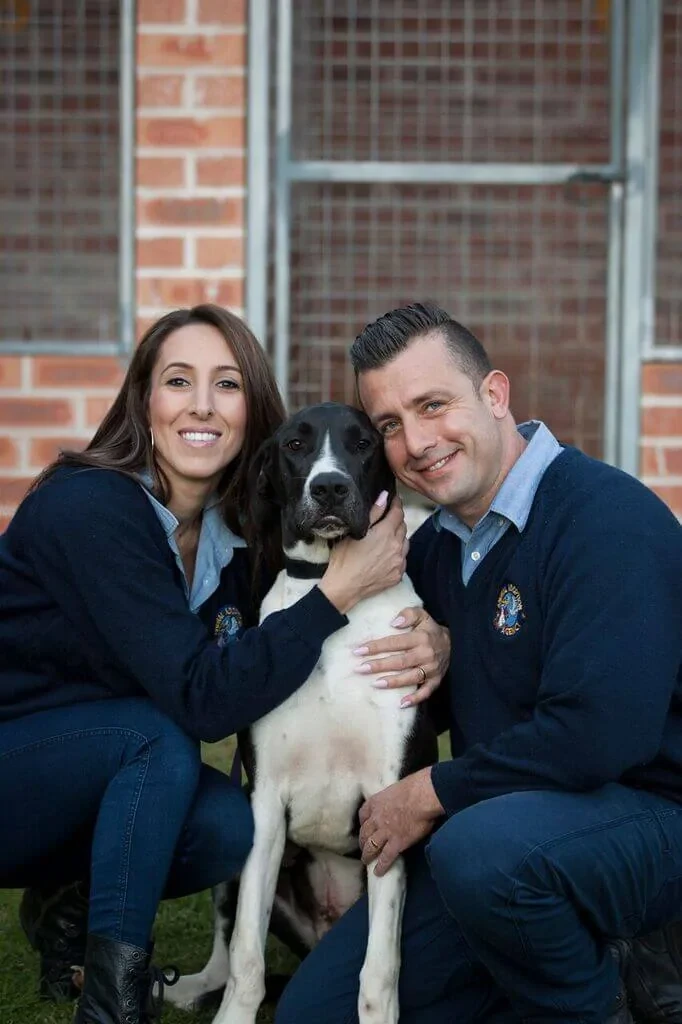
A surprising number of enquiries about Dog Boarding Kennels begin with an apology. Owners apologise because their dog is "a bit nervous," "doesn't like strangers," or "had a rough start." Those details matter, but they rarely tell the whole story. Dogs that seem anxious at home sometimes settle quickly once life becomes predictable, while confident family pets can struggle when every familiar cue disappears overnight.
Can Anxious Or Rescue Dogs Actually Cope With Boarding?
One misconception turns up often: rescue dogs equals anxious dogs. In practice, the two don't always overlap. Some rescue dogs adapt to boarding within hours because they've learned to cope with change. Others that have lived in one home their entire lives find the first night far more unsettling.
- Asking if anxious dogs stay in boarding kennels doesn't have a universal answer. The more useful question is whether the kennel knows how to read behaviour that falls between "relaxed" and "distressed". Many dogs aren't barking or pacing—they're simply quieter than usual.
- Experienced carers don't expect every dog to join group activities immediately. Some spend the first day watching, sniffing and keeping their distance before confidence starts to build.
- Appetite often tells a more reliable story than tail wagging. It's common for a nervous dog to skip one meal after arrival. Refusing food for much longer usually prompts staff to look more closely at stress levels or possible health issues.
- Dogs staying in Long Term Dog Boarding sometimes settle more comfortably after day two than they did during the first few hours. The adjustment isn't always linear.
That unpredictability is exactly why honest conversations before booking are more valuable than optimistic assumptions.
What Separates A Good Boarding Kennel From One That Simply Has Empty Spaces?
Owners searching for Dog Boarding Kennels Near Me often compare prices, reviews and proximity first. Yet the questions asked during an enquiry can reveal more about a facility than its website ever will.
- A good boarding kennel usually wants detailed information. If nobody asks about previous boarding experiences, medication, triggers or routines, they're missing details that shape daily care.
- Rescue dogs sometimes arrive carrying habits that owners haven't noticed because they've become normal at home. Staff who board dogs every day tend to spot these changes quickly, whether that's guarding food, avoiding eye contact or becoming withdrawn.
- Some facilities encourage a short trial stay before accepting a longer booking. It isn't a sales tactic; it's often the easiest way to discover whether the environment genuinely suits the dog.
- Owners frequently pack far more than their dog needs. Familiar bedding or a favourite toy can help. Three shopping bags of new accessories usually don't.
If you're asking are rescue dogs suitable for boarding, the better question is whether the boarding environment can adapt when the dog doesn't behave exactly as expected.
When Is Boarding Not The Best First Step?
There are occasions when delaying boarding is the more responsible decision. Dogs recently adopted from rescue may still be working out what "home" means. Removing them again within days can make that adjustment harder, even if the boarding facility is excellent.
- Boarding for fearful dogs works best when careers know what frightens them. "He's nervous" isn't nearly as useful as "he startles when unfamiliar men reach over his head."
- Severe separation anxiety is different from first-day nerves. The distinction matters because the management approach is different too.
- Some dogs benefit from several short visits before an overnight stay. Others don't need that at all. Predicting which group a dog belongs to isn't always possible until they're in the environment.
- The smoothest boarding experiences often happen because owners mention something they almost left out—a fear of slippery floors, a bedtime routine or a preference for eating only after a walk.
The aim isn't to prove that boarding works for every dog. It's to work out whether this dog, at this stage of its life, is likely to cope well enough to have a positive experience.
FAQ
Can anxious dogs stay in boarding kennels?
Many can, provided the kennel understands behaviour beyond obvious signs of stress. A dog that quietly withdraws often needs just as much attention as one that's visibly unsettled.
Are rescue dogs suitable for boarding?
Yes, although their previous experiences matter less than many people assume. Their current confidence, routine and ability to adapt usually provide better clues.
Should I arrange a trial stay first?
If your dog has never been boarded or has shown anxiety in unfamiliar places, a short trial often answers more questions than a long conversation ever could.
How do I know if a boarding kennel is experienced with nervous dogs?
Listen to the questions they ask. Facilities accustomed to caring for anxious dogs tend to spend less time describing their kennels and more time learning about yours.
Conclusion
Choosing Dog Boarding Kennels for an anxious or rescue dog is rarely a simple yes-or-no decision. The best outcomes usually come from matching the dog's temperament with the way a kennel operates, rather than assuming every well-reviewed facility will suit every dog. Sometimes that's confirmed during the first visit. Sometimes it's only obvious after carers have spent a day quietly getting to know the dog behind the behaviour.























Sign in to leave a comment.