What is Kratom?
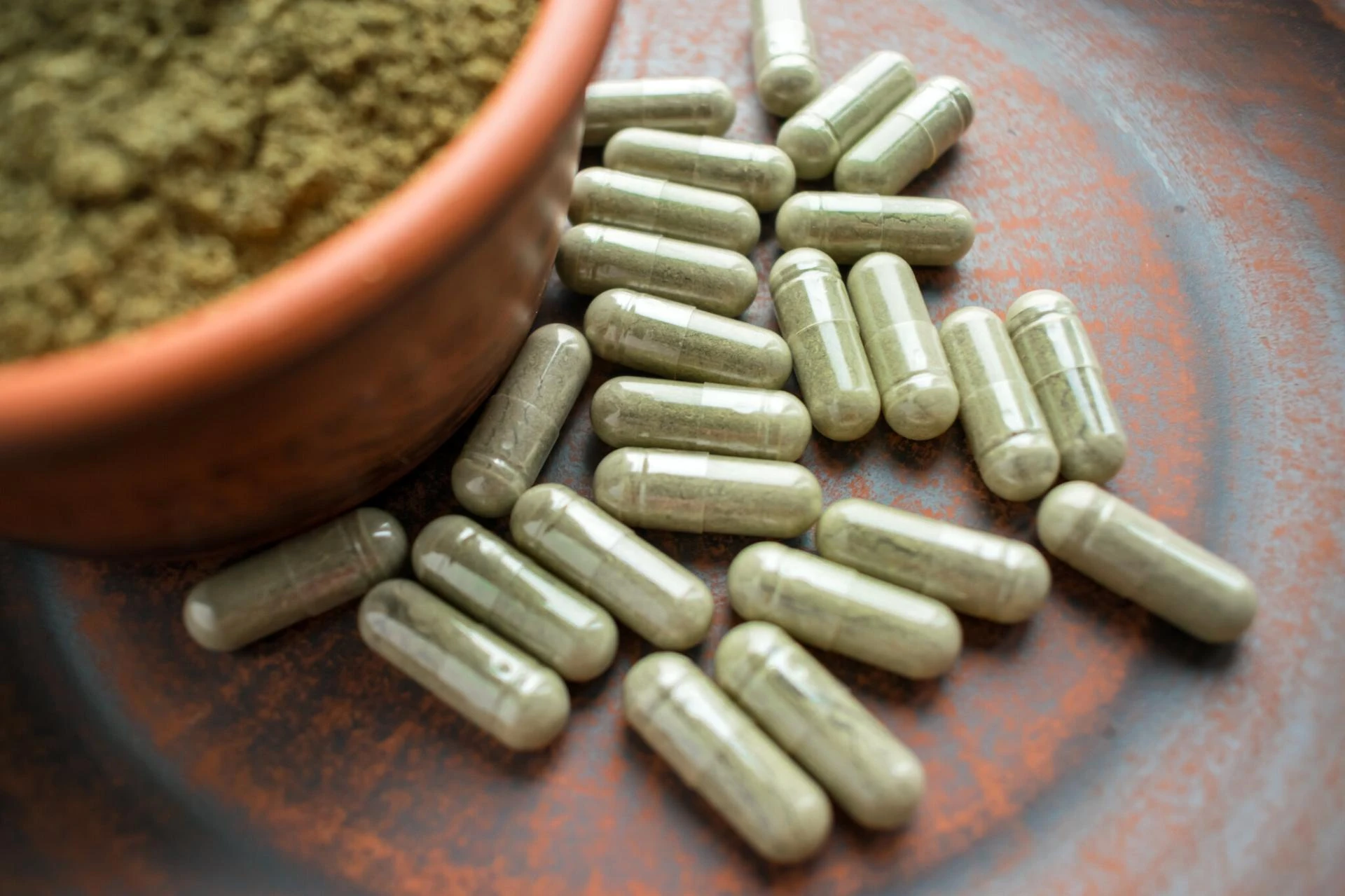
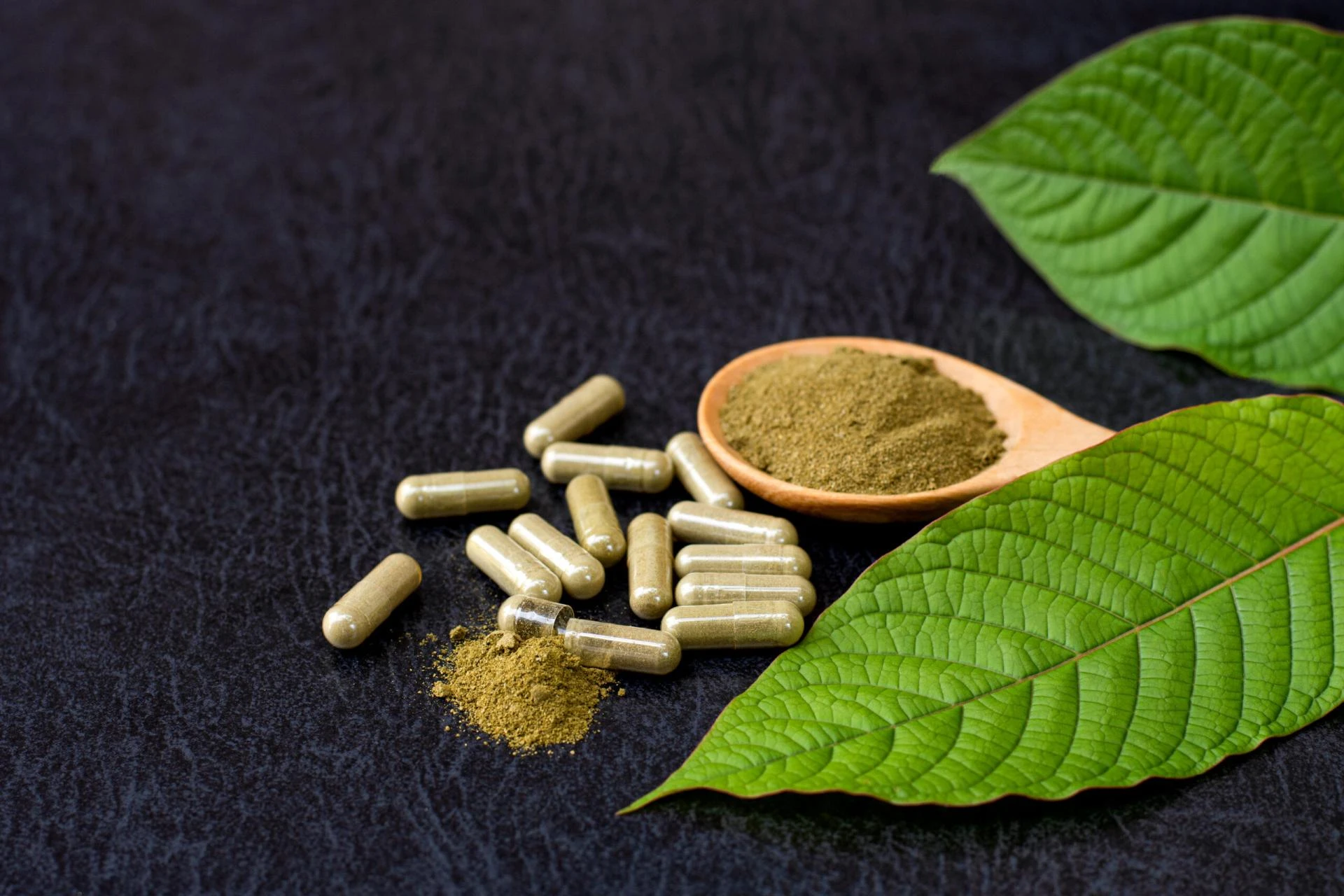
Kratom is a tropical tree native to Southeast Asia, especially Thailand, Indonesia, and Malaysia. The leaves of the kratom tree are dried, crushed, and used for their stimulating or sedative effects. Traditionally, locals chewed the raw leaves, but today, it's available in powders, capsules, extracts, and—yes—tablets.
Why People Use Kratom Tablets
You might be wondering—why tablets? Kratom tablets are favored for their convenience, precise dosage, and ease of use. No need to weigh powder or brew bitter tea. Pop a tablet, and you're good to go. People typically use kratom tablets for:
- Managing chronic pain
- Boosting energy and focus
- Easing anxiety or depression
- Supporting opioid withdrawal
How Kratom Tablets Work in the Body
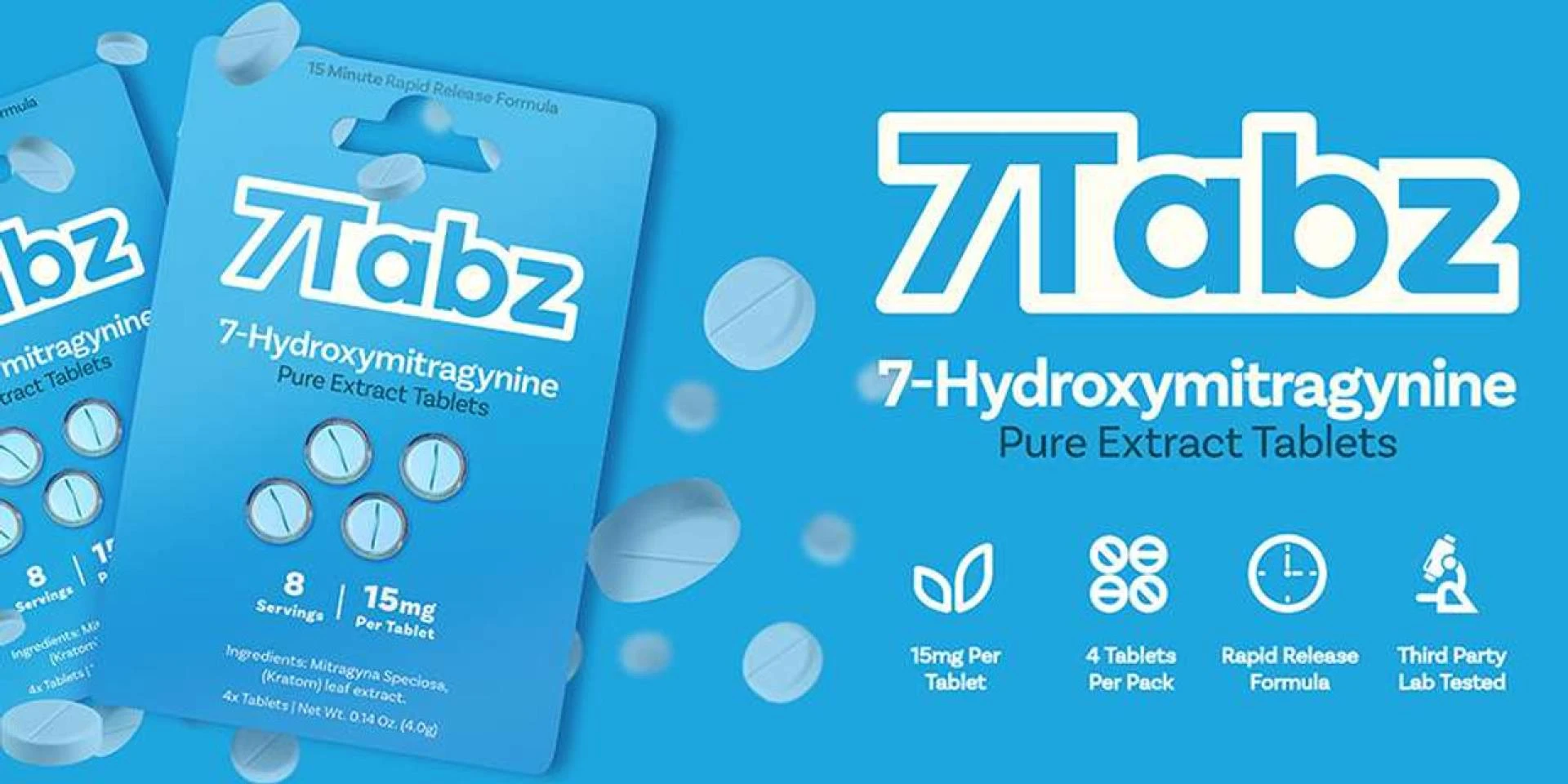
Kratom contains alkaloids like mitragynine and 7-hydroxymitragynine, which interact with opioid receptors in the brain. At low doses, it acts like a stimulant. At higher doses, it provides sedative effects. The tablet form simply changes how you consume it—not how it works.
Scientific Research on Kratom
Here’s where things get a little fuzzy. While there’s growing interest in kratom, research is still limited and sometimes controversial.
- A 2018 review in the journal Frontiers in Pharmacology pointed out potential for pain relief and opioid withdrawal support.
- However, the FDA has issued warnings due to limited safety data and reports of toxicity when used improperly or in large amounts.
User Experiences with Kratom Tablets
Science may be behind, but users are not. Many report:
- Positive outcomes like reduced anxiety, pain relief, and enhanced focus
- Mild side effects like nausea or constipation if overused
- A few note dependency issues after long-term daily use
Just like coffee or alcohol, kratom affects people differently. Your mileage may vary.
Benefits of Kratom Tablets
So, what makes people rave about kratom tablets?
- Consistent Dosage – Tablets ensure you’re not guessing how much you took
- Easy to Carry – Throw them in your bag, no mess involved
- Long Shelf Life – Tablets stay fresh longer than powder
Risks and Side Effects
Let’s keep it real—no natural remedy is without risks.
Common side effects include:
- Nausea
- Dizziness
- Constipation
- Dry mouth
More serious risks (with heavy use or mixing substances):
- Liver damage
- Seizures
- Dependency
Stick to recommended doses, and don’t mix with alcohol or other drugs.
Dosage Guidelines
There’s no FDA-approved dosage, but user communities and ethnobotanical sources suggest:
- Low dose (1–3g) – Energy and focus
- Moderate (4–6g) – Pain relief and relaxation
- High (7–9g+) – Sedative effects (not recommended for beginners)
Start low. Always.
Are Kratom Tablets Addictive?
This is a hot topic. Yes, kratom can be addictive—especially if used daily in high doses. That said, many users report less intense withdrawal symptoms than with opioids.
The key? Moderation and mindful use.
Is Kratom Legal?
Laws are all over the map:
- Legal: Most of the U.S., Canada, the UK
- Restricted or Banned: Some U.S. states (like Indiana, Wisconsin), Australia, Malaysia, Thailand (although it's recently been decriminalized there in some contexts)
Always check your local laws before buying.
Interactions with Medications
Kratom may interact dangerously with:
- Antidepressants
- Benzodiazepines
- Blood pressure meds
- Alcohol
When in doubt, talk to a healthcare provider—especially if you’re on medication.
Kratom Tablets vs. Other Forms
Form
Pros
Cons
Tablets
Precise, easy to use
Slower onset
Powder
Fast-acting, cheap
Bitter taste, messy
Capsules
No taste, convenient
Slower absorption
Tea
Soothing ritual
Time-consuming
Who Should Avoid Kratom?
Avoid kratom if you:
- Are pregnant or breastfeeding
- Have liver, kidney, or heart conditions
- Are under 18 years old
- Take prescription medications
Tips for Buying Safe Kratom Tablets
- Look for lab-tested products
- Read reviews and check reputation
- Avoid super-cheap deals (they could be cut with fillers)
- Buy from reputable vendors only
Final Verdict: Are They Safe or Not?
Kratom tablets can be safe when used responsibly and in moderation. But they’re not totally risk-free. Like coffee, alcohol, or any supplement, it’s all about how you use them.
Science says we need more research.
Users say it works wonders—with caution.
So, listen to your body, do your research, and when in doubt? Talk to a pro.
FAQs
1. Can you take kratom tablets every day?
It's not recommended for daily use, especially at high doses. This increases the risk of tolerance and dependency.
2. How long do kratom tablets take to kick in?
Typically, effects start within 30–45 minutes and last 4–6 hours.
3. Can kratom tablets make you fail a drug test?
Standard drug tests don’t detect kratom, but some specialized tests might.
4. What’s the safest dose for beginners?
Start with 1–2 grams (or one tablet if dosed accordingly), then wait and assess how you feel.
5. Are there any long-term effects of kratom tablets?
Long-term high-dose use may lead to dependency, liver issues, or tolerance. Use mindfully and take regular breaks.























Sign in to leave a comment.