
Windows don't get much attention until something goes wrong. A break-in attempt, a sky-high energy bill, or a drafty room in January - that's usually when homeowners and business owners start paying attention. And when they do, the question that comes up almost immediately is: have windows actually gotten better, or is "modern window technology" just marketing?
They've genuinely gotten better. Significantly so. But knowing what changed, and why it matters for your specific property, is what turns a vague upgrade into a smart investment.
The Security Gap in Older Windows
Most windows installed before 2010 share a few common weaknesses: single-point locks, thin glass, and frames that have lost structural integrity over time. These aren't minor flaws. A worn aluminum frame and a basic lever lock take very little effort to defeat.
Modern windows address this at the product level. Laminated glass, for example, holds together after impact rather than shattering. That changes the math for anyone attempting forced entry - it takes longer, makes more noise, and draws attention. Tempered glass breaks into small, blunt pieces instead of dangerous shards, which improves both safety and resistance.
Multi-point locking systems have also replaced older single-lever hardware across most quality product lines. These locks engage the frame at three or more points at once. Prying one point open doesn't compromise the whole window. That's a fundamental engineering improvement, not a cosmetic one.
The Energy Security Angle (Often Overlooked)
Here's what often gets left out of the security conversation: energy vulnerability is also a form of insecurity - it just shows up on utility statements instead of police reports.
Older single-pane windows bleed heat in winter and let it in during summer. Double-pane and triple-pane insulated glass units (IGUs), filled with argon gas, create a thermal barrier that single-pane glass physically cannot replicate. Add a low-E coating - a microscopically thin metallic layer that reflects infrared heat, and the window is doing serious work on climate control year-round.
For business owners managing larger commercial spaces, the utility savings from a full window replacement often offset a meaningful portion of the project cost within the first few years.
Example:
A retail property owner who worked with a company providing window replacement in Aurora, CO, replaced aging storefront glass after a break-in attempt. The upgrade to laminated, multi-point locking units did more than improve security; interior noise dropped noticeably, and monthly energy costs came down within the first billing cycle. The investment addressed three problems at once rather than one.
That's the pattern worth watching. Modern windows rarely solve just one issue.
Choosing the Right Installation Partner
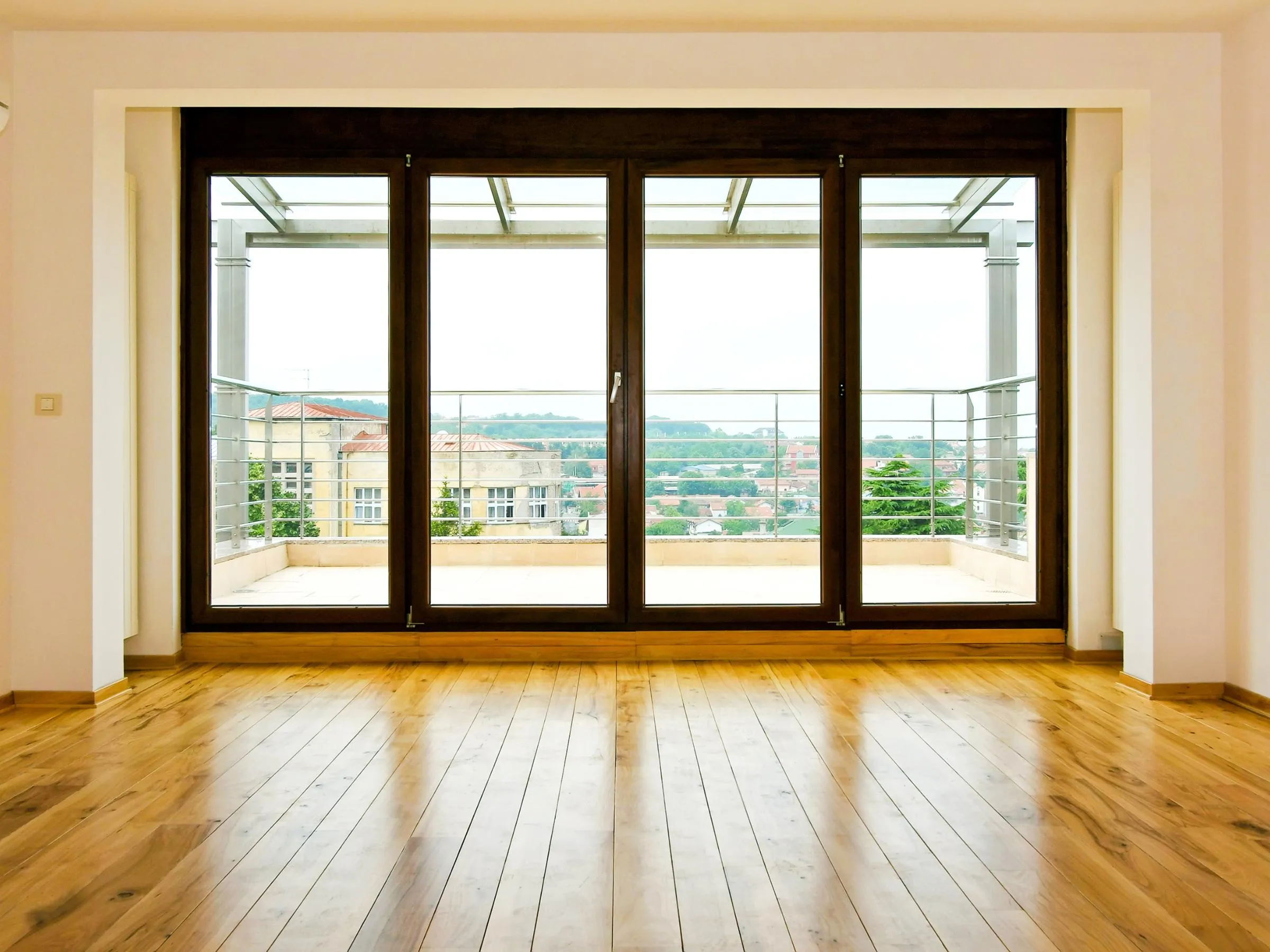
A quality window installed poorly will under perform on every metric. That's not an exaggeration - improper sealing alone can eliminate most of the thermal benefit and create moisture problems inside the wall assembly. When evaluating window installation contractors, ask specifically about their experience with similar property types, how they handle permitting, and what the warranty covers on both product and labor. Those three questions filter out most of the unreliable options quickly.
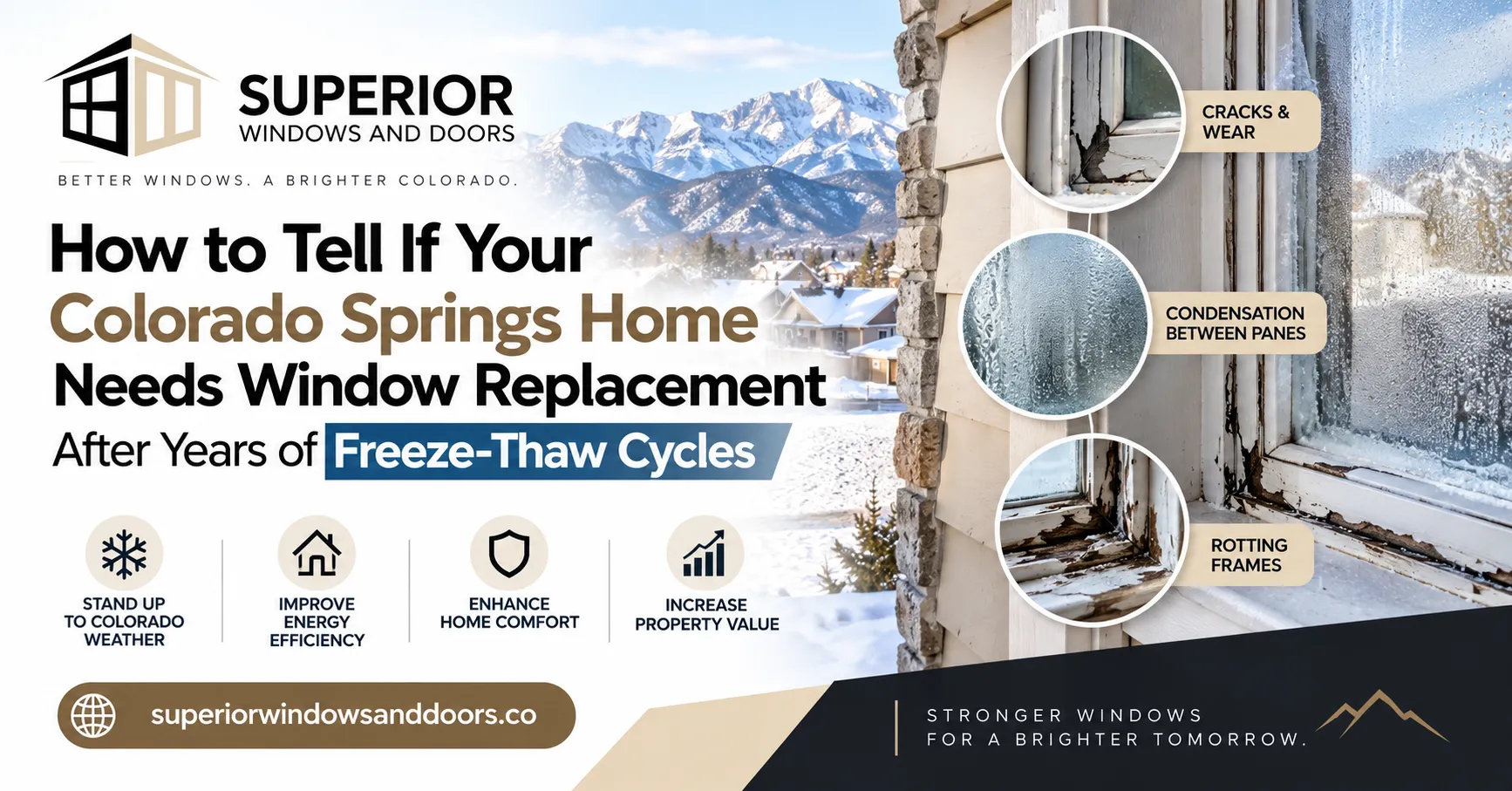
Local expertise matters too. Professionals experienced in Colorado Springs window replacement, for instance, understand freeze-thaw cycles and wind exposure patterns specific to higher-elevation properties. That directly affects which products and installation methods make sense. For homeowners in the south Denver metro, working with professionals offering window installation Highlands Ranch CO familiar with local code requirements saves time and avoids revision costs after inspection. When starting the search, looking for “window installation companies near me” with verifiable local reviews is still one of the most reliable filtering methods available.
FAQs
Q: Do replacement windows qualify for tax credits?
A: Many Energy Star-certified products qualify for federal energy efficiency credits. Verify current eligibility with your contractor and a tax professional before purchasing.
Q: Is laminated glass worth the extra cost?
A: For ground-floor or high-exposure windows, yes. The added security and noise reduction alone justify the modest price difference in most cases.
Q: How do multi-point locks compare to standard hardware?
A: Standard locks fail at a single point. Multi-point systems distribute resistance across the entire frame, making forced entry substantially harder.
Q: How soon do energy savings show up?
A: Most homeowners notice a difference within the first one to two billing cycles after installation, particularly during extreme weather months.
Conclusion
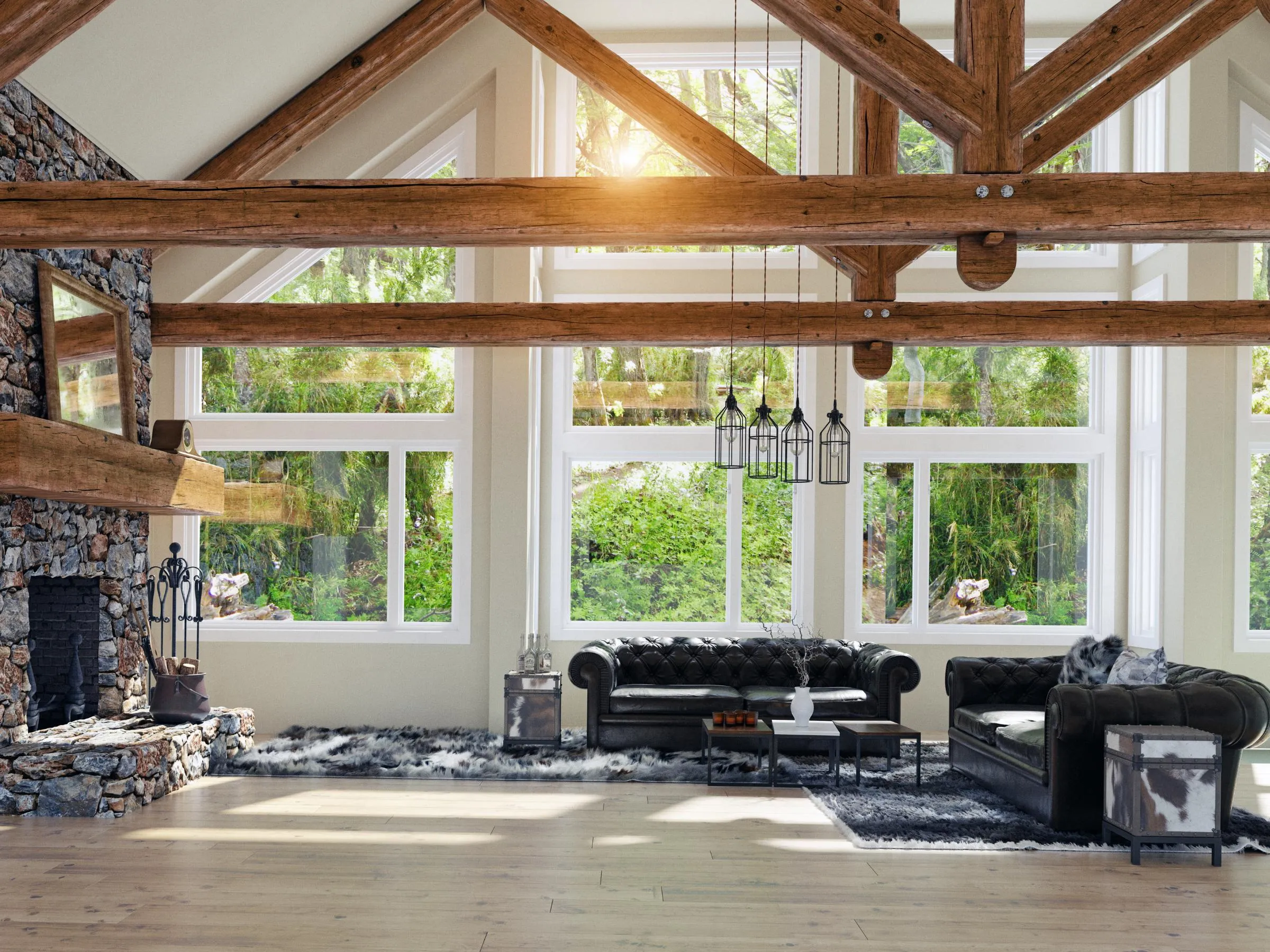
Modern windows aren't a luxury upgrade; they're a practical one. Better glass, stronger locks, improved frames, and real thermal performance combine into a product that outperforms older windows in nearly every measurable way. For homeowners, that means a safer, quieter, more comfortable property. For business owners, it also means lower operating costs and a better-looking commercial space.
The technology has improved. The question now is whether the windows on a specific property have kept up. Ready to upgrade your home or office space? Contact Superior Windows and Doors today and find out exactly what your property needs.
























Sign in to leave a comment.