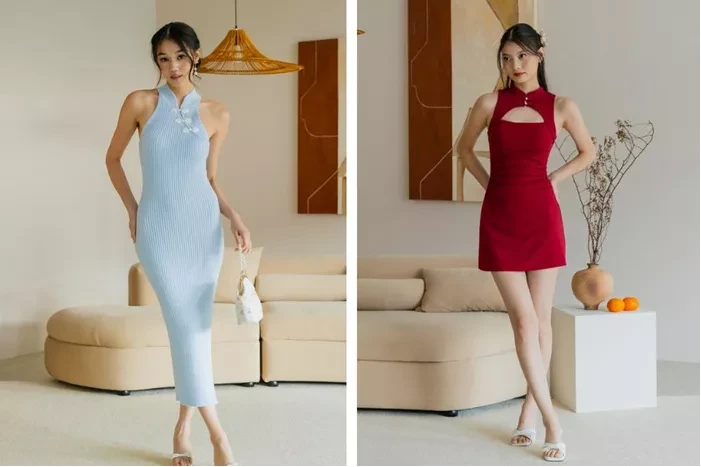

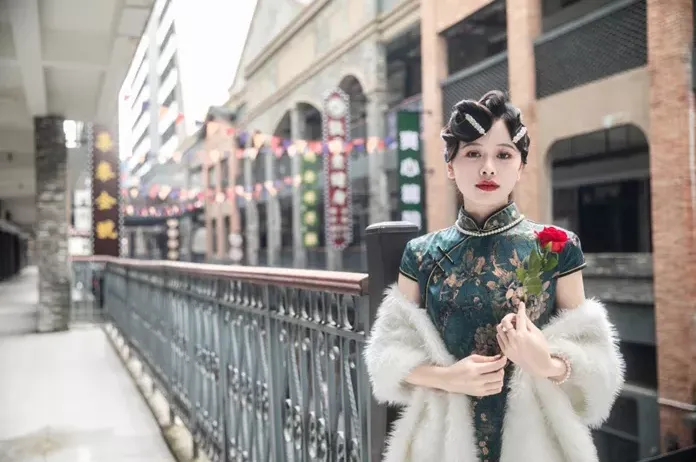
The qipao, also known as the cheongsam, is a traditional Chinese dress that has a long history. It originated during the Qing Dynasty and evolved over time to become a symbol of elegance and femininity. Qipaos are known for their unique cut, high collar, and side slits, which highlight the wearer’s figure. They are often worn for formal occasions, weddings, and cultural events.
Many people wonder whether a qipao is supposed to fit tightly or loosely. This question is common because the dress has different styles and purposes. Understanding the design, function, and cultural context of the qipao helps clarify this question.
The History of Qipao and Its Fit
Early Qing Dynasty Qipaos
The earliest qipaos were loose and long. Women wore them over several layers of clothing. The fit was not tight, and the focus was on modesty rather than showing the body’s shape. These qipaos were practical for daily life and allowed freedom of movement.
Republican Era Changes
During the early 20th century, qipaos became more tailored. Fashion in Shanghai introduced a slimmer silhouette. The dress started to fit closer to the body, showing curves while maintaining elegance. However, the fit was still comfortable enough for everyday wear.
Modern Qipaos
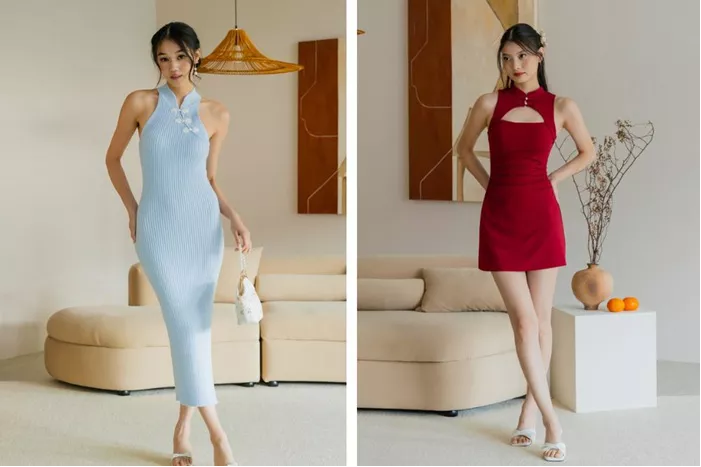
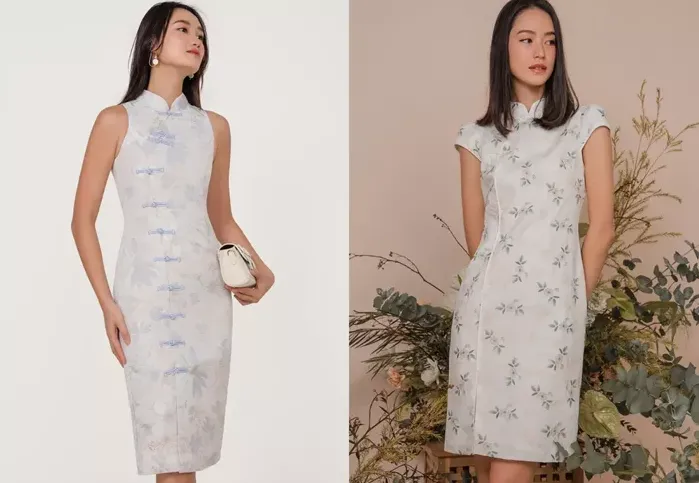
Today, qipaos are designed for style and fashion. Modern qipaos are often tighter, especially for evening wear or special occasions. The tight fit highlights the body’s shape and emphasizes the elegance of the wearer. However, designers balance style with comfort, and some qipaos still allow room for movement.
Understanding the Fit of a Qipao
Purpose Determines the Fit
The fit of a qipao depends on its purpose. A daily-wear qipao is usually less tight to allow comfort during work or casual activities. Formal qipaos, worn at weddings or events, are often more fitted to accentuate the wearer’s figure and create a graceful appearance.
Body Shape and Size
Qipaos are tailored according to the wearer’s body. A well-fitted qipao should follow the body’s natural curves without causing discomfort. It should not be overly tight to the point of restricting movement. The ideal fit combines elegance with comfort.
Fabric and Stretch
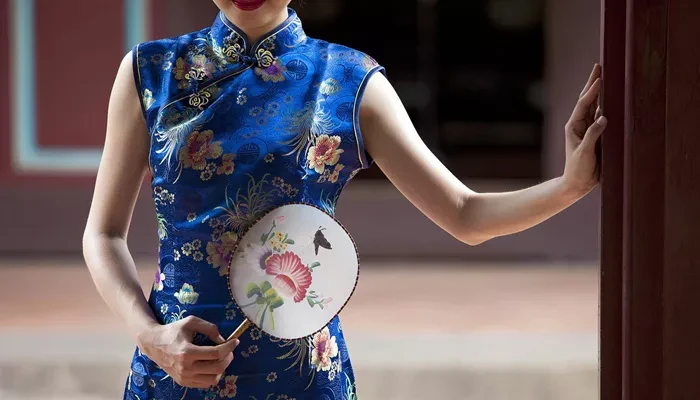
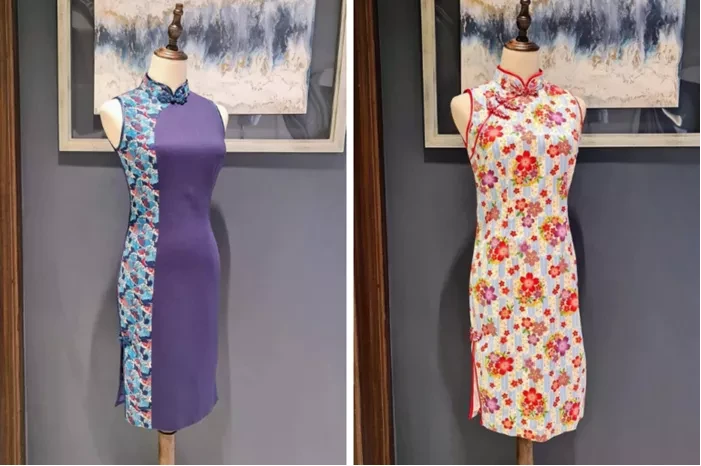
The material of a qipao affects how tight it can be. Traditional silk or brocade fabrics have little stretch, so the qipao must be carefully sized. Modern fabrics with stretch allow a closer fit without discomfort. The choice of fabric often determines whether a tighter style is practical.
Signs of a Properly Fitted Qipao
Shoulders and Collar
The shoulders should align with the wearer’s natural shoulder line. The collar should sit comfortably around the neck, not too tight to cause choking, nor too loose to lose its shape.
Bust and Waist
A properly fitted qipao should gently follow the bust and waist. There should be no bulging or pulling of fabric. Tightness should be balanced to show curves but not cause discomfort or strain on the seams.
Hips and Slits
The hip area should allow movement. Side slits are often added to make walking easier and to prevent the dress from feeling restrictive. Proper slit placement ensures elegance and functionality.
Common Misconceptions About Qipao Tightness
Tight Means Elegant
Many people believe a qipao must be extremely tight to look elegant. While a fitted silhouette enhances elegance, extreme tightness can be uncomfortable and impractical. Elegance comes from proper tailoring, posture, and the way the dress moves with the body.
All Qipaos Are Tight
Not all qipaos are designed to be tight. There are loose styles suitable for casual wear or older fashion trends. The idea that a qipao must hug every curve is modern and mostly applies to evening and fashion-forward designs.
Tips for Choosing the Right Fit
Measure Carefully
Accurate measurements of the bust, waist, hips, and height are crucial. Qipaos are usually custom-made or carefully sized to fit these measurements.
Try Movement
Before finalizing a qipao, try walking, sitting, and raising your arms. A dress that is too tight may restrict movement, even if it looks perfect when standing still.
Consider Occasion
For formal events, a tighter fit may be desirable. For casual wear, choose a slightly looser style for comfort. The occasion often dictates the best fit.
Fabric Choice
Choose fabric according to comfort and fit. Stretch fabrics allow a closer fit without discomfort, while traditional silk requires careful sizing.
Conclusion
Qipaos can be tight, but the degree of tightness depends on purpose, body shape, and fabric. A well-fitted qipao follows the body’s natural curves without restricting movement. Modern fashion favors tighter styles for formal events, but loose and comfortable designs remain common for daily wear. The key is balance—elegance should not come at the cost of comfort.
Understanding qipaos requires appreciating their history, design, and cultural significance. Whether tight or loose, the best qipao is one that enhances the wearer’s grace, fits well, and suits the occasion.


























Sign in to leave a comment.