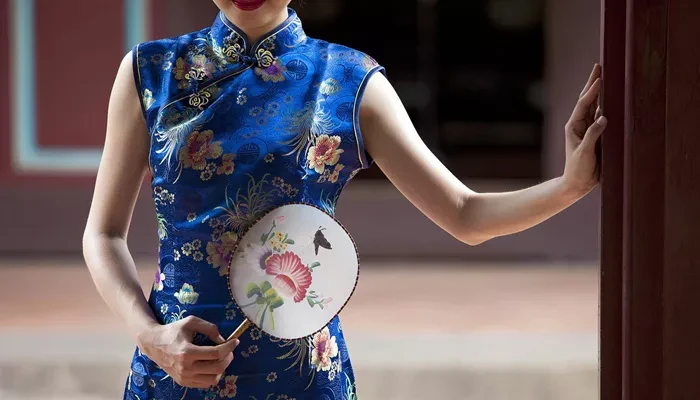

The cheongsam, also known as the qipao, is a traditional Chinese dress that reflects elegance, culture, and history. Its delicate fabric, intricate embroidery, and unique design make it a treasured piece in any wardrobe. Cleaning a cheongsam properly is essential to maintain its beauty and extend its lifespan. Improper cleaning can cause damage, fading, or distortion of the fabric. This guide will provide detailed instructions on how to clean a cheongsam safely, whether it is silk, satin, cotton, or a blend of fabrics.
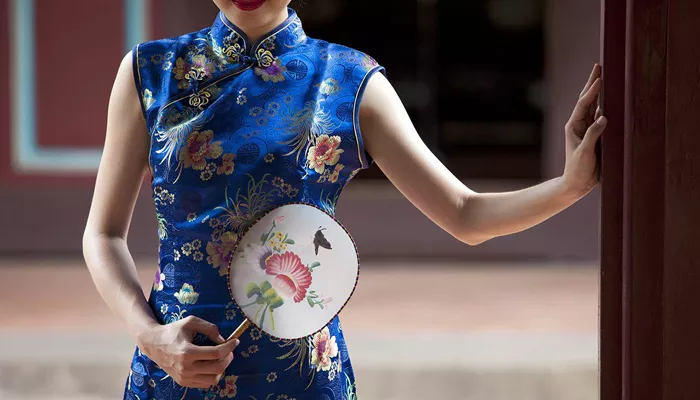
Understanding Cheongsam Fabrics
Silk
Silk is the most common fabric for traditional cheongsams. It is soft, smooth, and luxurious. Silk requires careful handling because it can be easily damaged by water, heat, and harsh detergents. Cleaning silk improperly may result in stains, shrinking, or loss of shine.
Satin
Satin cheongsams are smooth and shiny, similar to silk, but they are often made from synthetic fibers. Satin is slightly more durable than silk but still requires gentle washing. Harsh chemicals or high heat can damage satin fabrics.
Cotton and Blends
Cotton cheongsams are easier to maintain and are usually machine washable. Blended fabrics, such as cotton-silk or polyester-silk, combine durability and elegance. Each blend has specific care instructions, so always check the care label before cleaning.
Preparation Before Cleaning
Check the Care Label
Before cleaning, always examine the care label. The label provides essential information on recommended cleaning methods. Some cheongsams are labeled as “dry clean only,” while others can be hand-washed or gently machine-washed.
Inspect for Stains
Check your cheongsam for stains, spots, or discoloration. Identifying stains early will help you treat them appropriately. Common stains include makeup, food, and sweat. Treat stains as soon as possible to prevent them from setting into the fabric.
Gather Cleaning Supplies
For safe cleaning, gather the following items:
- Mild detergent or silk-specific detergent
- Cold or lukewarm water
- Soft sponge or cloth
- White vinegar (optional, for stain removal)
- Towel for drying
- Clothes hanger or padded hanger for reshaping
Cleaning Methods
Dry Cleaning
Dry cleaning is the safest method for silk, satin, or embroidered cheongsams. A professional dry cleaner knows how to handle delicate fabrics without causing damage. When choosing a dry cleaner, ensure they have experience with traditional Chinese garments.
Hand Washing
Hand washing is suitable for silk, satin, and some cotton blends. Follow these steps:
- Fill a clean basin with cold or lukewarm water.
- Add a small amount of mild detergent or silk-specific detergent.
- Gently immerse the cheongsam in water and lightly agitate. Avoid scrubbing or wringing.
- Pay special attention to stained areas. Use a soft cloth to dab gently.
- Rinse thoroughly with cold water to remove detergent residues.
- Press out excess water by gently pressing the garment between towels.
- Hang on a padded hanger to air dry, avoiding direct sunlight.
Spot Cleaning
For minor stains, spot cleaning is effective. Follow these instructions:
- Mix a small amount of mild detergent with water.
- Use a soft cloth or cotton swab to dab the solution onto the stain.
- Blot gently, avoiding rubbing, which can damage the fabric.
- Rinse the area with cold water using a clean cloth.
- Air dry the cheongsam, keeping it flat if necessary to prevent distortion.
Machine Washing
Machine washing is only recommended for cotton or cotton-blend cheongsams. Use the gentle cycle and follow these tips:
- Turn the cheongsam inside out to protect embroidery and patterns.
- Use cold water to prevent shrinking or color bleeding.
- Add mild detergent suitable for delicate fabrics.
- Place the cheongsam in a mesh laundry bag to reduce friction.
- Avoid spinning at high speeds, which may damage the fabric.
- Remove promptly after washing and air dry on a padded hanger.
Drying and Ironing
Air Drying
Air drying is the safest method. Avoid direct sunlight, which can fade colors. Use a padded hanger or lay the cheongsam flat on a clean towel to maintain its shape. Ensure good ventilation to prevent moisture buildup, which can cause mildew.
Ironing
Ironing requires care, especially for silk and satin cheongsams. Follow these steps:
- Set the iron to the lowest heat or silk setting.
- Turn the cheongsam inside out to prevent shine or marks.
- Place a clean cloth between the iron and the fabric.
- Iron gently, avoiding embroidery or embellishments.
- For stubborn wrinkles, use a steamer instead of direct ironing.
Storage Tips
Hanging
Store your cheongsam on a padded hanger to maintain its shape. Avoid wire hangers that can distort the shoulders. If the dress has heavy embroidery, ensure it is supported properly to prevent sagging.
Folding
Folding is suitable for short-term storage or travel. Place tissue paper between folds to prevent creases. Store in a breathable garment bag to protect against dust and moisture.
Protecting from Pests
Use cedar blocks or lavender sachets in your wardrobe to repel moths and insects. Avoid using mothballs, which can leave a strong odor and damage fabric.
Special Considerations
Dealing with Sweat Stains
Sweat stains are common, especially around the underarm area. To prevent permanent yellowing:
- Rinse the affected area immediately with cold water.
- Apply a small amount of mild detergent and gently dab.
- Rinse thoroughly and air dry.
Handling Embroidery and Beads
Cheongsams with embroidery, sequins, or beads require extra caution. Avoid scrubbing, wringing, or ironing directly on decorations. Spot cleaning or professional dry cleaning is recommended.
Preventing Color Fading
Brightly colored cheongsams can fade over time. Wash with cold water and mild detergent. Avoid soaking for long periods and do not use bleach.
Common Mistakes to Avoid
Using Hot Water
Hot water can shrink silk and satin and cause color bleeding. Always use cold or lukewarm water.
Overloading the Washing Machine
Even for cotton cheongsams, overloading the machine can cause wrinkles and damage. Wash delicate garments separately.
Ignoring Stains
Waiting too long to treat stains can make them permanent. Treat stains promptly using gentle methods.
Direct Sunlight Drying
Sunlight can fade colors and weaken fibers. Air dry in a shaded, ventilated area.
When to Seek Professional Help
If your cheongsam is heavily stained, has delicate embroidery, or is made from high-quality silk, it is best to consult a professional cleaner. They have the expertise to handle complex fabrics and designs without causing damage. Additionally, vintage or antique cheongsams should always be cleaned by professionals to preserve their value.
Maintaining Your Cheongsam Between Cleanings
Regular Brushing
Use a soft clothes brush to remove dust and lint. Brushing after each wear keeps your cheongsam fresh and reduces the need for frequent washing.
Avoiding Perfume and Deodorant Stains
Apply perfume or deodorant before wearing your cheongsam to prevent chemical stains. Allow products to dry completely before putting on the dress.
Proper Wearing
Be mindful of sharp objects, jewelry, or rough surfaces that may snag delicate fabric. Careful wearing extends the garment’s life and maintains its elegance.
Conclusion
Cleaning a cheongsam requires patience, care, and attention to detail. Understanding the fabric type, proper washing techniques, and safe drying methods will ensure your dress remains beautiful for years. Whether you choose professional dry cleaning, gentle hand washing, or careful machine washing, following these steps will protect the integrity of your cheongsam. With proper maintenance, your qipao will continue to reflect elegance, tradition, and personal style.




























Sign in to leave a comment.