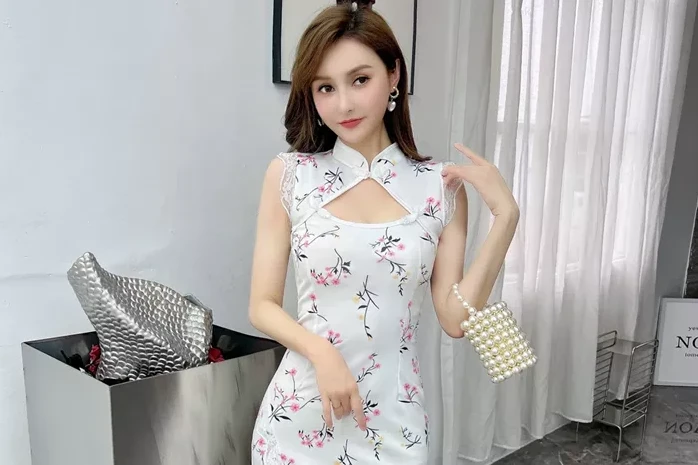

The qipao, also known as the cheongsam, is a traditional Chinese dress that has captured the attention of fashion lovers around the world. Its elegant silhouette and unique design make it a symbol of Chinese culture and heritage. But a question often arises: who made the qipao? Understanding its origin requires delving into Chinese history, culture, and fashion evolution over centuries.
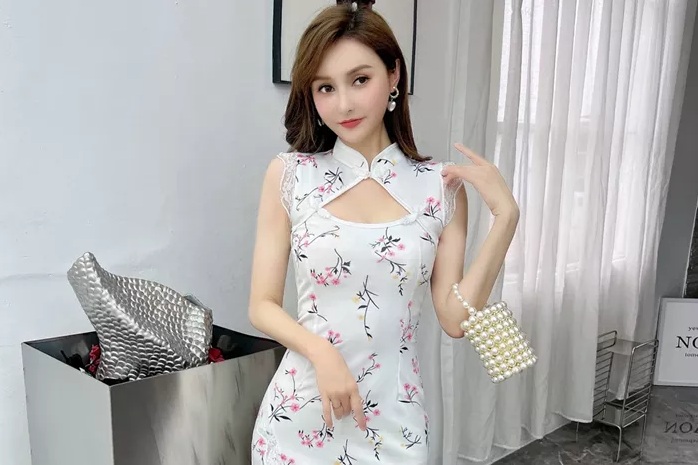
The Historical Roots of Qipao
The qipao did not appear overnight. Its history is deeply connected with the Qing Dynasty (1644–1912), when the Manchu people ruled China. During this era, Manchu women wore a one-piece dress called changpao, which had a straight cut, long sleeves, and a high collar. This early form of the qipao was practical for daily life and emphasized modesty and grace.
Manchu Influence
The Manchu rulers enforced specific dress codes, which influenced not only the Manchu themselves but also the Han Chinese population. The Manchu women’s changpao was designed for comfort and mobility, allowing them to ride horses and move freely. This practical design laid the foundation for the modern qipao, though early versions were loose-fitting and far from the form-fitting style known today.
Transition During the Late Qing Dynasty
By the late Qing Dynasty, Chinese society began to change. Cities became more cosmopolitan, and Western influences started to appear in Chinese fashion. The qipao evolved subtly during this period, incorporating some decorative elements such as embroidery and silk patterns. However, it remained a loose garment that covered most of the body.
The Birth of Modern Qipao
The modern, figure-hugging qipao that is famous today did not appear until the early 20th century. After the fall of the Qing Dynasty in 1912, China entered the Republican era, a time of cultural openness and modernization. Shanghai, in particular, became the fashion capital of China, and the qipao underwent a transformation.
Shanghai in the 1920s and 1930s
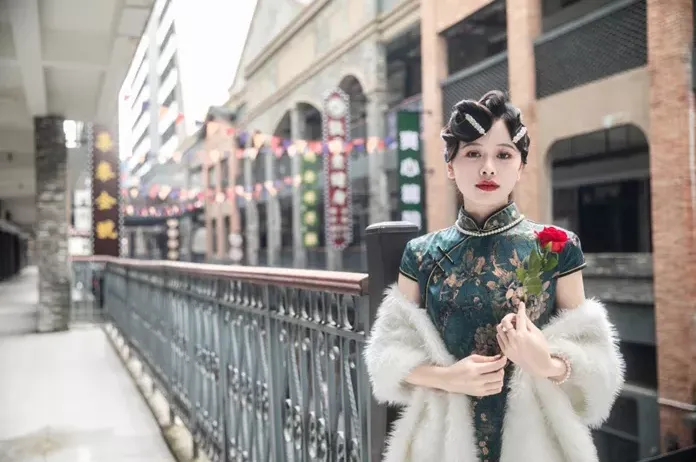
In Shanghai, women began to adapt the traditional qipao to suit urban life. Tailors experimented with slimmer cuts, shorter sleeves, and higher slits to create a more fashionable and feminine look. This modern qipao emphasized the natural curves of a woman’s body while maintaining the traditional high collar and side fastening.
The Role of Fashion Designers
It is difficult to credit a single person with creating the modern qipao. Instead, its development was a collective effort by Shanghai tailors, seamstresses, and fashion designers in the early 20th century. These artisans drew inspiration from both traditional Chinese clothing and Western tailoring techniques. Some of the most influential designers were women themselves, who wanted clothing that reflected both elegance and independence.
Key Figures in Qipao Development
Zhou Xun and Early Tailors
Although there is no definitive record of a single inventor, historical sources suggest that skilled tailors in Shanghai played a major role in refining the qipao. One of the earliest known fashion influencers, Zhou Xun, was a tailor who combined traditional Chinese silk with Western cuts, helping the dress achieve a balance of comfort and style.
Socialites and Cultural Icons
Women from elite families, actresses, and socialites also contributed to popularizing the qipao. By wearing tailored dresses in public events, cinemas, and parties, they set trends and inspired others to adopt the modern qipao. These women did not “make” the qipao in the literal sense, but their choices and visibility helped shape its evolution.
Qipao in Chinese Cinema
The golden age of Chinese cinema in the 1930s and 1940s played a pivotal role in defining the qipao as we know it today. Actresses in Shanghai films wore qipaos that were designed to enhance their glamour and presence on screen. Costume designers for these films experimented with fabrics, embroidery, and tailoring, creating iconic looks that would influence fashion for decades.
Impact of Film Actresses
Film actresses such as Ruan Lingyu and Li Lihua became cultural icons. Their qipaos were photographed and shared widely, spreading the fashion trend across urban China. The collaboration between actresses and designers helped the qipao evolve from a traditional dress to a symbol of modern Chinese femininity.
Materials and Craftsmanship
The making of a qipao requires exceptional skill and attention to detail. Traditional qipaos are often made from silk, satin, or brocade, with intricate embroidery depicting flowers, birds, or cultural motifs. Tailors carefully measure each wearer to ensure the dress fits perfectly, highlighting the natural lines of the body.
Embroidery and Decorative Elements
Embroidery is a key element that gives the qipao its distinct character. Skilled artisans create detailed designs using silk threads, gold threads, or beads. This decorative work is not merely aesthetic; it also reflects cultural meanings, such as luck, prosperity, and longevity.
Tailoring Techniques
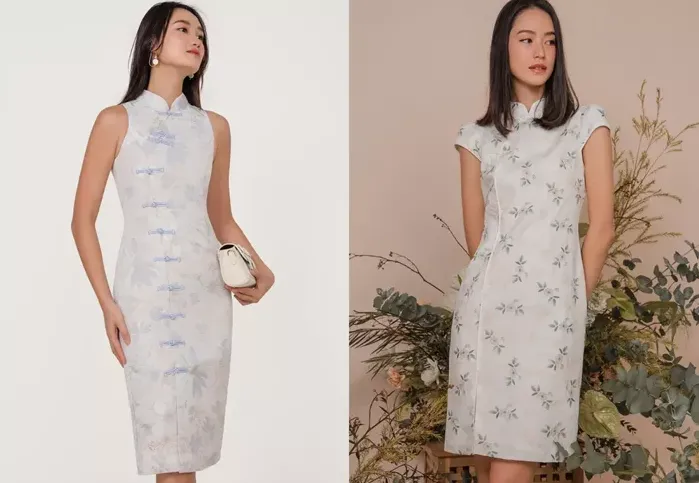
Modern qipaos involve advanced tailoring techniques to achieve a snug fit without restricting movement. Traditional patterns are adjusted to fit modern preferences, including variations in sleeve length, dress length, and side slits. Tailors may also use darts and pleats to ensure a flattering shape.
The Role of Qipao in Chinese Identity
The qipao is more than a piece of clothing; it is a cultural symbol. Wearing a qipao represents respect for Chinese heritage, artistry, and femininity. Over the years, the qipao has been used to express social status, modernity, and personal taste.
National Symbol
During major national events, women often wear qipaos to celebrate traditional culture. The dress embodies elegance, pride, and a connection to Chinese history. Its continued popularity shows that fashion and identity are closely intertwined in Chinese society.
Modern Revival
Today, qipaos are worn for weddings, festivals, and cultural events. Fashion designers worldwide also incorporate qipao elements into contemporary collections. This revival pays homage to the dress’s origins while embracing global fashion trends.
Who Truly Made the Qipao?
Answering the question “who made qipao?” requires understanding its evolution. No single person invented the dress. Instead, the qipao was created through:
- Traditional Manchu and Chinese influences from the Qing Dynasty.
- Collective work of Shanghai tailors, seamstresses, and designers in the early 20th century.
- Contributions from socialites, actresses, and cultural figures who popularized it.
- Continuous refinement by artisans in fabric, embroidery, and tailoring techniques.
Thus, the qipao is the result of centuries of cultural evolution and collaborative craftsmanship.
Conclusion
The qipao is a unique blend of history, artistry, and cultural expression. From its roots in the Qing Dynasty to the modern figure-hugging style of Shanghai, the dress reflects both tradition and modernity. While no single person can claim to have made the qipao, countless artisans, tailors, socialites, and cultural icons contributed to its creation and popularity. Today, wearing a qipao is not just a fashion statement; it is a way to honor centuries of Chinese craftsmanship and heritage.




















Sign in to leave a comment.