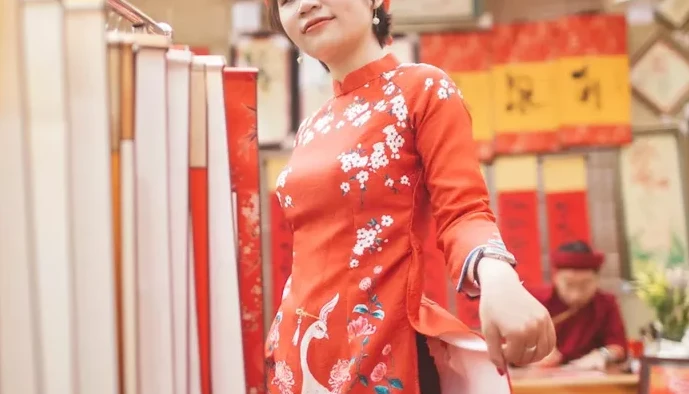

The qipao, also known as the cheongsam, is a traditional Chinese dress that has captivated the world with its elegance and charm. Originally from the Qing Dynasty, the qipao has evolved over centuries, reflecting social changes, cultural influences, and fashion trends. Today, the qipao is not only a symbol of Chinese heritage but also a versatile garment worn for formal occasions, casual outings, and fashion events.
The qipao, also known as the cheongsam, is a traditional Chinese dress that has captivated the world with its elegance and charm. Originally from the Qing Dynasty, the qipao has evolved over centuries, reflecting social changes, cultural influences, and fashion trends. Today, the qipao is not only a symbol of Chinese heritage but also a versatile garment worn for formal occasions, casual outings, and fashion events.
While many people recognize the qipao by its slim silhouette and high collar, the reality is that there are numerous styles of qipaos. Each style has its own unique design, fabric, and fit, catering to different tastes and occasions. Understanding these variations can help one appreciate the depth and beauty of this traditional attire.
The Historical Evolution of Qipaos
Qipao in the Qing Dynasty
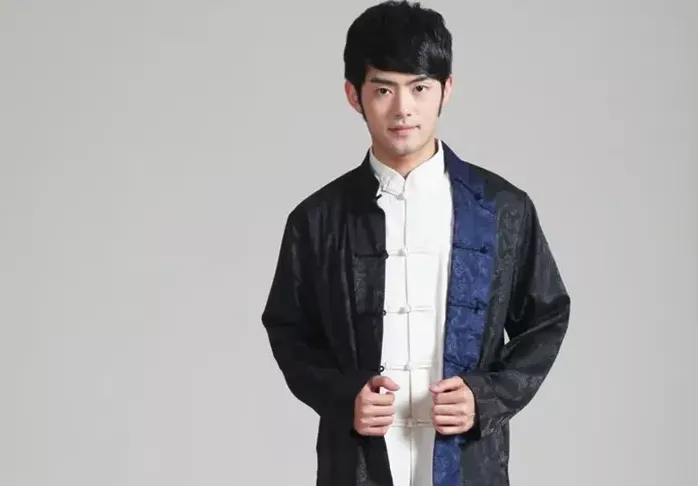
The earliest form of the qipao emerged during the Qing Dynasty (1644–1912). At that time, the qipao was a loose-fitting garment, often covering the body entirely. Both men and women wore it, but it was more popular among women in the upper class. The original design prioritized modesty and practicality, featuring straight cuts, wide sleeves, and simple patterns.
Republican Era Transformations
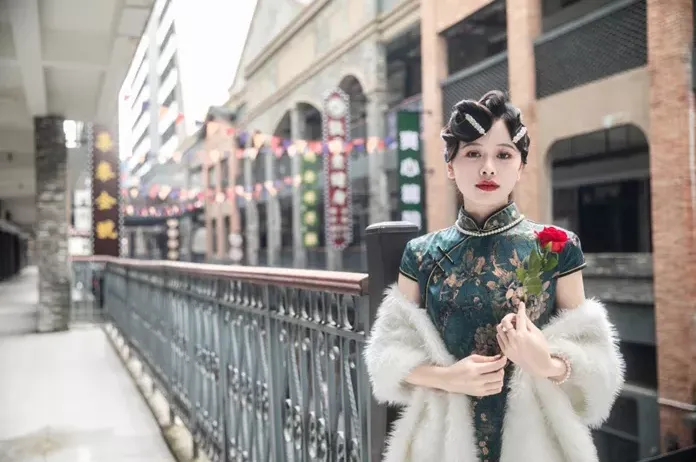
During the early 20th century, particularly in the 1920s and 1930s, the qipao underwent significant transformations. The style became more form-fitting, reflecting the modern lifestyle and aesthetic sensibilities of Shanghai’s elite women. Slits were introduced on the sides for easier movement, and decorative elements such as embroidery, lace, and silk patterns became more prominent.
Contemporary Qipaos
Modern qipaos embrace both tradition and innovation. Designers experiment with fabrics, cuts, lengths, and embellishments, creating qipaos suitable for weddings, parties, stage performances, and everyday fashion. Today, you can find short qipaos, long qipaos, sleeveless qipaos, and even qipaos made from unconventional materials such as denim or chiffon.
Different Styles of Qipaos
Traditional Qipao
The traditional qipao retains many of the classic elements from the Qing Dynasty and early 20th century. These include a high mandarin collar, straight or slightly fitted cut, and side slits for mobility. Traditional qipaos are often made from silk or satin and feature intricate embroidery depicting flowers, dragons, or phoenixes. This style is favored for formal ceremonies, cultural events, and traditional weddings.
Modern Slim-Fit Qipao
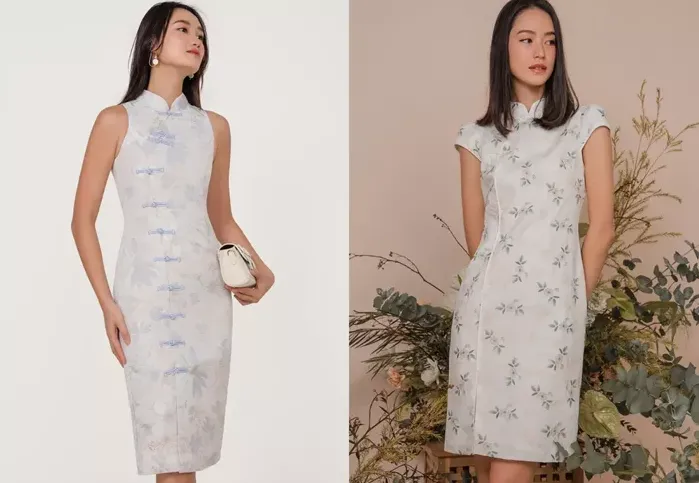
Modern slim-fit qipaos are the most recognizable version today. They hug the body closely, accentuating the wearer’s figure. This style usually has a high collar, short sleeves or sleeveless options, and side slits that can vary in length. Fabrics range from silk and brocade to velvet and satin. This style is often chosen for evening parties, fashion shows, and festive events.
Short Qipao
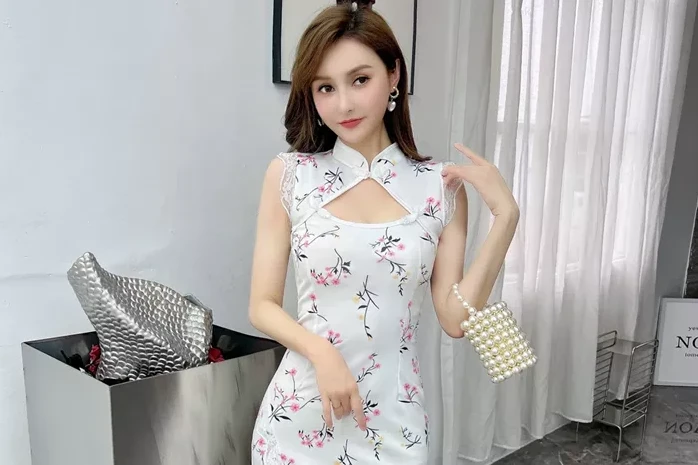
The short qipao is a contemporary adaptation, typically ending above the knee. It is popular among younger women and is often made with lighter fabrics for casual or semi-formal occasions. Short qipaos allow for easier movement and are often decorated with playful patterns, lace trims, or modern prints. They are versatile and can be worn in both social gatherings and professional settings.
Long Qipao
Long qipaos extend to the ankles or floor, exuding elegance and sophistication. This style is particularly favored for weddings, formal banquets, and ceremonial occasions. The long qipao may feature elaborate embroidery, beading, or sequins, creating a luxurious appearance. It is often paired with traditional accessories such as silk shoes and jade jewelry to enhance its classic charm.
Sleeveless and Cap Sleeve Qipao
For warmer climates or modern fashion preferences, sleeveless or cap sleeve qipaos provide comfort without sacrificing style. Sleeveless qipaos highlight the arms and shoulders, while cap sleeves offer minimal coverage. These variations are popular for summer events, cocktail parties, and casual wear, often made from breathable fabrics like chiffon, cotton blends, or light silk.
High Slit Qipao
The high slit qipao is designed for both mobility and allure. Slits can reach mid-thigh or higher, allowing greater ease of movement while emphasizing the leg line. This style is often paired with high heels and fitted undergarments to create a modern, elegant, and slightly daring look. High slit qipaos are common in fashion shows, evening events, and performances.
Embroidered Qipao
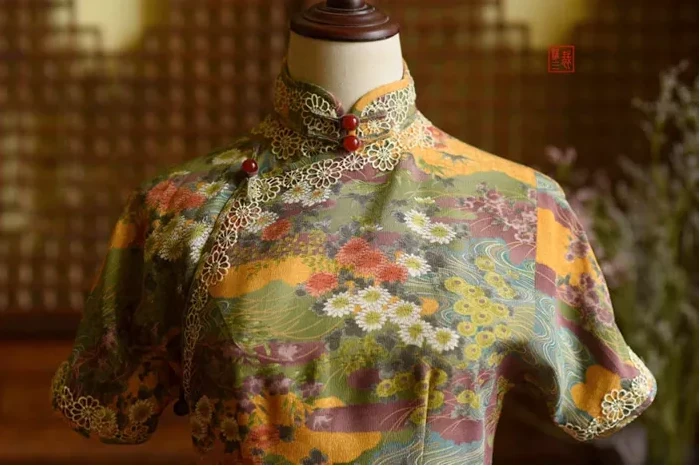
Embroidery has been a defining feature of qipaos for centuries. Embroidered qipaos showcase detailed patterns of flowers, birds, dragons, and other symbolic motifs. This style often uses silk threads, metallic threads, or sequins to create a rich visual effect. Embroidered qipaos are highly sought after for weddings, cultural performances, and special ceremonies.
Western-Inspired Qipao
In recent decades, designers have fused Western fashion elements with traditional qipao designs. These may include off-shoulder cuts, asymmetrical hems, or peplum styles. Fabrics such as lace, tulle, and satin blends are used to give a Westernized touch while retaining the iconic high collar and fitted silhouette. This fusion style appeals to younger generations seeking a modern, global look.
Casual and Daily Wear Qipao
While historically a formal garment, the qipao has also adapted for casual and daily wear. Simplified designs with comfortable fabrics, looser cuts, and minimal embellishments make it suitable for office wear or casual outings. These qipaos are often paired with flats, sandals, or sneakers for a relaxed and practical look.
Regional Variations of Qipaos
Shanghai Qipao
Shanghai has been historically recognized as the fashion capital of China, and its qipaos reflect elegance, sophistication, and modernity. Shanghai qipaos often feature slim cuts, high slits, luxurious silk fabrics, and delicate embroidery. This style has greatly influenced global perceptions of the qipao as a symbol of feminine beauty.
Beijing Qipao
Beijing qipaos are known for preserving traditional Chinese elements. They may feature more conservative cuts, wider sleeves, and heavier embroidery or patterns. This style is closely associated with cultural ceremonies, classical performances, and formal occasions in northern China.
Cantonese Qipao
Cantonese qipaos, originating from southern China, often incorporate bright colors and bold patterns, reflecting the region’s vibrant cultural aesthetic. They tend to use lighter fabrics suitable for warmer climates and may feature shorter lengths or unique sleeve designs. This style is popular for festivals, family gatherings, and traditional celebrations.
Materials and Fabric Variations
Silk and Satin
Silk and satin are the most traditional and luxurious fabrics used for qipaos. They provide a smooth texture, vibrant color, and elegant sheen. Silk and satin qipaos are often chosen for weddings, formal events, and traditional performances.
Brocade
Brocade fabrics are richly patterned and often contain metallic threads. Brocade qipaos exude grandeur and are ideal for formal occasions or stage performances. The intricate patterns often carry symbolic meanings such as prosperity, longevity, and happiness.
Cotton and Linen
For casual and daily wear, cotton and linen qipaos are popular due to their breathability and comfort. These fabrics are ideal for summer or outdoor activities, and they allow for simpler, more relaxed designs without heavy embellishments.
Modern Fabrics
Contemporary qipaos experiment with diverse materials such as velvet, chiffon, lace, and even denim. These fabrics offer innovative textures and aesthetics, allowing designers to create unique qipaos for fashion shows, photography, and modern casual wear.
Occasion-Based Qipao Styles
Wedding Qipao
Wedding qipaos are among the most ornate styles, often featuring red or gold colors, intricate embroidery, and luxurious fabrics. Red symbolizes happiness and prosperity in Chinese culture, making it the traditional choice for brides. Wedding qipaos may include long skirts, high collars, and elaborate embellishments to convey elegance and cultural significance.
Evening and Party Qipao
Evening and party qipaos are designed to attract attention and showcase style. These often feature bold colors, high slits, fitted cuts, and shimmering fabrics. Designers may incorporate sequins, beads, or lace to enhance glamour. They are ideal for formal dinners, cocktail parties, or award ceremonies.
Cultural and Performance Qipao
Cultural and performance qipaos are often highly stylized for stage visibility. Bright colors, dramatic embroidery, and exaggerated silhouettes are common. These qipaos may include long trains, wide sleeves, or high collars that emphasize the elegance and movement of the performer.
Conclusion
The qipao is a versatile and timeless garment with countless styles, each reflecting history, culture, fashion, and personal expression. From traditional silk qipaos to modern short or sleeveless versions, each style serves a purpose and showcases unique beauty. Understanding these different styles allows one to appreciate the artistry, craftsmanship, and cultural significance embedded in the qipao.
Whether for weddings, formal occasions, daily wear, or fashion statements, there is a qipao style to suit every taste. Exploring these styles not only honors Chinese heritage but also keeps the qipao alive as a dynamic and evolving symbol of elega

















Sign in to leave a comment.