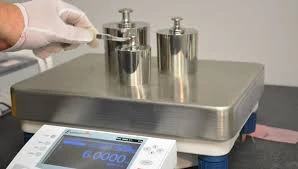
Accurate measurements are always essential for many industries, from manufacturing to laboratories and retail. Whether it’s a large corporation or a small business, measurement errors can lead to financial and reputational loss. The smallest of inaccuracies in measurements can lead to product inconsistencies and compliance issues. This is why businesses need scale calibration regularly. Calibration plays a critical role in maintaining reliable weighing systems that are precise to the last dot. When scales are not properly calibrated, it can lead to inventory errors that can be catastrophic for your business. As with frequent usage, environmental factors, and normal wear and tear, your weighing scales can become inaccurate with age.
In this blog, we explain why weighing equipment needs to be calibrated and the most common signs your scales need immediate calibration.
How to Spot Calibration Issues in Your Scales
Mentioned below are some of the ways you can spot issues with your weighing system that indicate it needs to be calibrated right away.
Inconsistent Weight Readings
If your scale is giving you readings that are inconsistent or simply don’t make sense, there is undoubtedly a problem. When weighing objects with the same weight or load, a scale that varies between readings indicates that it is fluctuating. This suggests that there is a problem and that your scales need to be calibrated.
Inaccurate Weight Results
Unreliable readings and inconsistent readings may sound similar, but the issue with scales is a little different. The strain of heavy loads can eventually cause damage to the internal components of your trustworthy weight scales, leading to irregular and unreliable readings. This indicates that your scales need to be calibrated immediately.
Sudden Load Impact
Although heavy-duty industrial scales are designed to endure heavy weights and frequent use, improper loading can occasionally cause “shock loading,” a weighing problem in which the scales become overloaded and may shut down abruptly. It’s time for professional scale calibration if your weight seems off and your display is broken and won’t reset, even after re-zeroing.
External Damage
Even with the best care, your scales will eventually show signs of aging, especially if you use them frequently to weigh heavy loads. It’s time to have your scales repaired and calibrated right away if you see any indications of rusting or corrosion. This is important because it’s just not safe to leave your scales damaged, and if you ignore the damage and leave it as is, you will inevitably receive inconsistent or inaccurate readings.
Common Reasons Your Weighing Scale Loses Accuracy
Here are some of the most common reasons your scale loses accuracy and needs to be calibrated.
Internal Damage
Your scale’s internal parts may slip out of alignment and immediately lose their calibration due to an unintentional drop or even heavy, frequent use.
Aging & Deterioration
After prolonged usage, friction, stress, and physical component deterioration will eventually cause your weighing equipment to lose accuracy.
Environmental Factors
Extreme temperature changes, high humidity, dust, and vibrations can all affect your scale’s long-term function by compromising its sensitive internal components.
Keep Your Scales Accurate with Regular Scale Calibration
Precision is crucial when it comes to weighing systems, especially for businesses that rely on accurate measurements for production, shipping, or quality control. Your scales are unable to notify you when they become inaccurate; that’s why it’s your responsibility to learn the signs to identify problems with your scales yourself. If you have noticed any of these signs of problems with your scales recently, then you need to take them to a professional calibration service, such as 247 scales sales & services.
















Sign in to leave a comment.