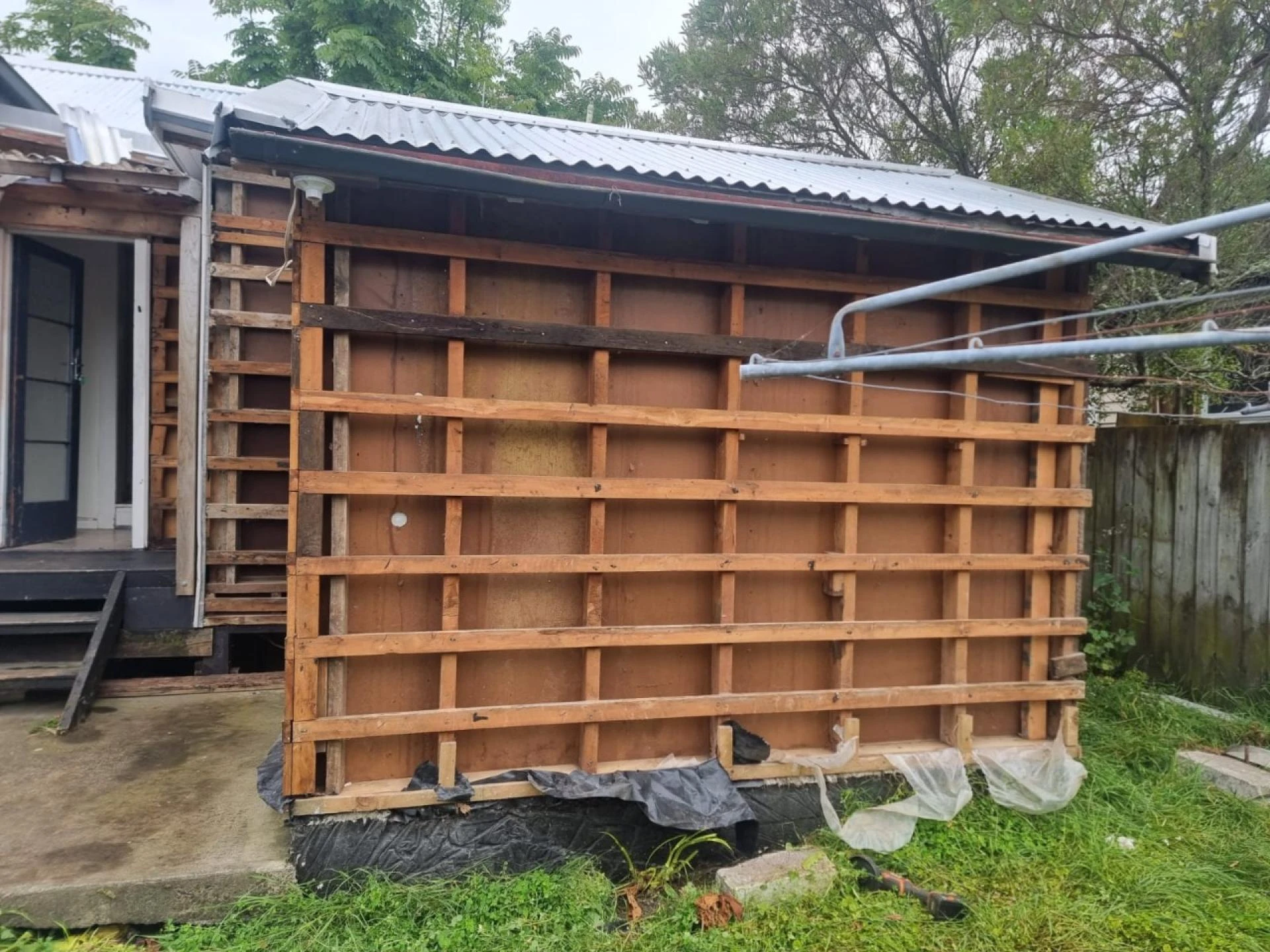

If you’ve ever dealt with an old building, whether renovating your home or managing a construction project, you’ve probably heard about asbestos. It was once a popular building material, but today, it’s known for causing serious health issues. When disturbed, asbestos releases tiny fibers into the air that can cause lung diseases like asbestosis and mesothelioma. That’s why strict regulations exist to ensure it’s handled safely.
If you have doubts or need professional asbestos removal, SB Asbestos is a trusted name in Tauranga. They follow all safety standards to ensure a safe and compliant removal process.
Why Are There Regulations for Asbestos Removal?
Asbestos fibers are so small that you can’t see them, but if inhaled, they can cause severe health problems over time. Since these diseases can take decades to appear, laws are in place to prevent exposure before it’s too late.
To keep people safe, authorities require asbestos to be handled only by licensed professionals who follow strict removal and disposal guidelines.
Key Steps in Safe Asbestos Removal
If you suspect asbestos in your home or workplace, here’s what you need to do:
1. Inspection and Testing
Before starting any work, a professional must inspect the area and test for asbestos. If it’s found, a removal plan is created based on legal guidelines.
2. Hiring Licensed Professionals
Only certified asbestos removal experts should handle asbestos. In Tauranga, SB Asbestos has the experience and qualifications to do the job safely.
3. Safe Containment and Removal
To prevent fibers from spreading, professionals use sealed work areas, wet removal techniques, and special protective gear.
4. Proper Disposal
Asbestos can’t go in regular trash. It must be transported and disposed of at approved waste facilities.
5. Air Monitoring and Clearance Testing
After removal, experts test the air to ensure it’s free of asbestos fibers before the area is safe to use again.
Avoid These Common Mistakes
Many people unknowingly break asbestos regulations, risking health issues and legal trouble. Here’s what not to do:
- Skipping professional testing – Just because asbestos isn’t visible doesn’t mean it’s not there.
- DIY removal – Asbestos is dangerous and should never be removed without proper training and equipment.
- Improper disposal – Dumping asbestos waste in regular bins or landfills is illegal.
- Not informing workers or tenants – If you own a property, you must notify people about asbestos risks.
Final Thoughts: Stay Safe and Stay Legal
Dealing with asbestos is no joke, but following the rules doesn’t have to be overwhelming. If you take the right steps—get an inspection, hire certified professionals, and ensure proper disposal you’ll be in the clear, legally and health-wise.
And hey, if you ever find yourself frustrated with all the regulations, just remember: they exist to protect you. After all, no home renovation or office remodel is worth risking your health.
So, be smart, follow the rules, and if you're having issues with dealing with asbestos? Call an expert. Trust me, it’s one situation where you don’t want to wing it.



























Sign in to leave a comment.