
If you’re trying to get licensed by the Agency for Health Care Administration (AHCA) in Florida, you’ve probably heard the phrase “AHCA Live Scan fingerprint” more times than you can count. And honestly? It can feel like just another bureaucratic hurdle.
But here’s the truth: getting your fingerprints done correctly the first time saves you weeks of headaches, resubmissions, and stressful calls with state agencies.
I’ve helped dozens of nurses, assisted living facility managers, and home health aides navigate this process. And the number one question I get isn’t about the paperwork—it’s about the technology.
Namely: does the Livescan fingerprinting machine they use actually matter?
Spoiler alert: yes. More than you’d think.

Let’s walk through everything you need to know about AHCA Live Scan Fingerprint, how the process really works, and why choosing the right location (like your local pharmacy with the right equipment) makes all the difference.
What Exactly Is an AHCA Live Scan Fingerprint?
Let’s start simple.
The Agency for Health Care Administration (AHCA) is the Florida government body that licenses and regulates healthcare facilities and certain healthcare professionals. Think nursing homes, home health agencies, assisted living facilities, and adult family care homes.
If you want to work in or run one of these places, AHCA requires a level 2 background screening. That means submitting your fingerprints to the Florida Department of Law Enforcement (FDLE) and the FBI.
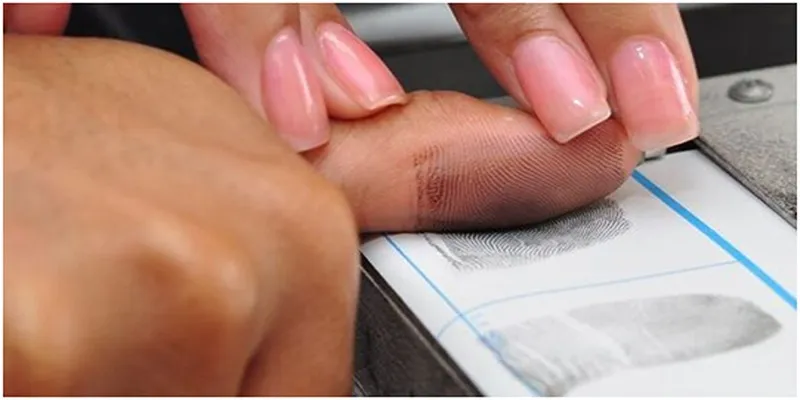
Old method: ink and paper cards. Slow, messy, easy to reject.
New method: electronic submission using an AHCA Live Scan fingerprint system.
Live scan is exactly what it sounds like. A device scans your fingerprints live, instantly checks the quality, and sends the data digitally to the state. No ink. No smudges. No “sorry, we can’t read your prints, please come back.”
How the Livescan Fingerprinting Machine Changes the Game
Here’s where most people get tripped up.

Not all live scan machines are created equal. I’ve seen old, poorly calibrated units reject prints over and over again—especially for people with dry skin, worn-down fingerprints (common in healthcare workers who wash their hands constantly), or even just naturally shallow ridges. A modern, high-quality Livescan Fingerprinting Machine does two critical things that old or cheap machines can’t:
- Real-time quality checking – The machine tells the operator immediately if a fingerprint is too light, too dark, or distorted. You can rescan the same finger right then and there.
- Higher resolution capture – Better optics mean fewer “quality exceptions” flagged by FDLE or FBI.
Why does that matter to you? Because a bad scan doesn’t get rejected at the machine. It gets rejected days later, after you’ve already left. Then you have to go back, pay again, and wait even longer.
That’s why I always tell people: don’t just go anywhere. Go somewhere that uses a well-maintained Livescan fingerprinting machine and has someone who knows how to operate it properly.
The Most Common AHCA Live Scan Fingerprint Mistakes (And How to Avoid Them)
I’ve seen smart, capable people make the same errors over and over. Don’t be one of them.
Mistake 1: Not checking your ID requirements
AHCA is strict. You need a valid, unexpired government-issued photo ID. Driver’s license. Passport. State ID card. That’s it. No library cards, no work badges, no expired licenses.
Mistake 2: Using the wrong Originating Agency Identification (ORI) number
This is a big one. The ORI number tells the system where to send your results. If you use the wrong one, your prints go into a digital black hole. For AHCA screenings, you need the specific AHCA ORI. A good live scan provider will ask you for it. If they don’t, walk out.
Mistake 3: Dry hands
Dry skin = poor conductivity = bad scans. Hydrate well before your appointment. Some places even keep hand lotion or a damp paper towel handy. Don’t be shy—ask.
Mistake 4: Assuming all live scan locations are the same
They’re not. Some use older machines that haven’t been recalibrated in years. Others have part-time staff who aren’t properly trained. A bad operator with a great machine still gives bad results. A great operator with a mediocre machine can sometimes salvage it. But a great operator with a modern Livescan fingerprinting machine? That’s your sweet spot.
Where to Get Your AHCA Live Scan Fingerprint Done (Without the Stress)
You have options. Law enforcement agencies. Private fingerprinting services. Some pharmacies.
Here’s my honest advice: go to a place that does high volume, has good equipment, and understands the healthcare licensing process—not just someone who occasionally rolls prints.
I’m biased because I’ve seen it work well, but I always recommend checking with Dunnellon Pharmacy first. They’re one of those hidden-gem spots where the staff actually cares about getting it right on the first try. They use a clean, well-maintained Livescan fingerprinting machine and handle AHCA submissions daily.
You can find their details here:
🔗 https://dunnellonpharmacy.com/
But wherever you go, ask these three questions before you sit down:
- “Do you submit directly to AHCA’s ORI?”
- “Do you check print quality in real time?”
- “What happens if FDLE rejects my prints?”
If they hesitate or give vague answers, find another place. Seriously. Your time is worth more than saving fifteen minutes on a bad appointment.
What Actually Happens After the Scan?
Once your prints are captured and transmitted, here’s the timeline you can expect:
- Within 24-72 hours – FDLE processes the state portion of your background check.
- Up to 2 weeks – FBI portion takes longer, especially if you’ve lived in multiple states or have a common name.
- Results sent to AHCA – You don’t get the results. AHCA does. They’ll notify you if there’s an issue.
Pro tip: You can check your status online through the AHCA background screening portal. Don’t call them every day. They won’t give you an answer over the phone anyway.
Why Ink Fingerprints Are Basically Obsolete for AHCA
I still get asked: “Can I just do ink cards?”
Technically, yes. But you really, really don’t want to.
Ink cards have a rejection rate of 10-20%. That means one in five people gets their prints sent back as unreadable. You wait two weeks for the rejection notice, then you start over.
Live scan rejection rates? Under 2% for a properly done scan.
Plus, ink cards require manual processing, mailing time, and manual entry. Live scan is digital from finger to FDLE.
Unless you’re in a remote area with absolutely no live scan access (unlikely in Florida), do not choose ink. You’ll regret it.
The Cost Factor: What’s Fair to Pay?
Pricing varies, but here’s a realistic range for an AHCA Live Scan fingerprint in Florida:
- Rolling fee (what the location charges):
- 15–35
- FDLE processing fee: Around $25
- FBI processing fee: Around
- 10–15
Total out the door: Usually 50–70. If someone quotes you less than 40 total,besuspicious.A good, trustwor thy provider will be upfront about exactly what each fee covers. No hidden surprises.
Real-World Example: Why One Bad Scan Cost a Nurse Three Weeks
I worked with a nurse named Carla (not her real name). She needed her AHCA clearance for a new job at an assisted living facility. She went to a big-box shipping store that happened to have a Livescan fingerprinting machine tucked in the corner.
The staff had almost no training. The machine was old. They didn’t check her prints before submitting.
Three weeks later? Rejection. “Poor quality fingerprints.”
She had to go back, pay another $55, and get rescanned. This time she came to us. We cleaned her hands properly, used a well-maintained Livescan fingerprinting machine, checked each finger twice, and submitted.
Her results came back clean in five days. But she’d already lost three weeks—and almost lost her job offer.
Don’t be Carla. The extra ten minutes of care upfront saves you weeks of pain.
FAQ: AHCA Live Scan Fingerprint Questions (Real Ones From Real People)
I’ve heard these questions dozens of times. Here are the straight answers.
1. How long is my AHCA Live Scan fingerprint good for?
In Florida, AHCA background screenings are good for five years for most employees, as long as you remain continuously employed in a role that requires it. If you leave the industry for more than 90 days, you may need a new one.
2. Can I go to any police department for my AHCA Live Scan fingerprint?
Yes, but not all police departments offer live scan services to the public. Many still do ink. Call ahead and specifically ask for “AHCA Live Scan fingerprint” and their ORI number.
3. What if I have a criminal record? Should I still bother?
Yes. AHCA doesn’t automatically disqualify you for all offenses. Some are waiverable after a certain number of years. Hiding it is worse than disclosing it. Be honest from the start.
4. Do I need an appointment for a Livescan fingerprinting machine service?
It depends. Many pharmacies and private shops take walk-ins, but appointments guarantee you won’t wait an hour. Call ahead. It takes two minutes and saves twenty.
5. What’s the difference between an AHCA Live Scan fingerprint and a standard FDLE background check?
Standard FDLE checks only go through state records. AHCA requires a level 2 screening, which includes both FDLE (state) and FBI (federal) checks. That’s why you pay two processing fees.
6. Can I use a Livescan fingerprinting machine if my hands are sweaty or cracked?
Absolutely. A good operator knows how to adjust—using a paper towel to dry sweaty fingers, or a bit of lotion for dry skin. If the operator just says “oh well” and scans anyway, leave.
Final Thoughts: Don’t Overthink It, But Don’t Underprepare Either
Getting your AHCA Live Scan fingerprint doesn’t have to be stressful. It’s a straightforward process when you know what to expect.
Choose a place with a modern, well-maintained Livescan fingerprinting machine. Ask questions. Show up with proper ID and clean, hydrated hands. And for the love of all things efficient—don’t settle for a sketchy location just because it’s close to your house.
You’ve got a job to start, a license to get, or a facility to open. Don’t let bad prints be the reason you wait another month.
If you’re near Marion County or simply want a reliable, no-nonsense provider, swing by Dunnellon Pharmacy. They’ve helped more healthcare workers get through this process than most dedicated fingerprinting shops—and they actually answer the phone when you call with questions.
👉 https://dunnellonpharmacy.com/
Now go get those prints rolled. You’ve got this.






























Sign in to leave a comment.