
Every construction project entails multiple aspects and procedures that must all work synergistically together to ensure a successful execution- For this to happen, contractors and professionals are charged with the heavy responsibility of inspecting different aspects of the project.
Inspection is crucial in every stage of construction to ensure that the project stays on track, procedures and materials comply with building requirements, and more. Let us look at five aspects of construction inspection.
Daily inspection
Just as you might have guessed, daily inspections check for daily activities of the site. The activities include the number of workers on site, equipment used, the condition of materials and equipment, accident damages, etc. - These activities may sound trivial, but they are crucial to ensure that the project runs smoothly and on time.
Quality control inspection
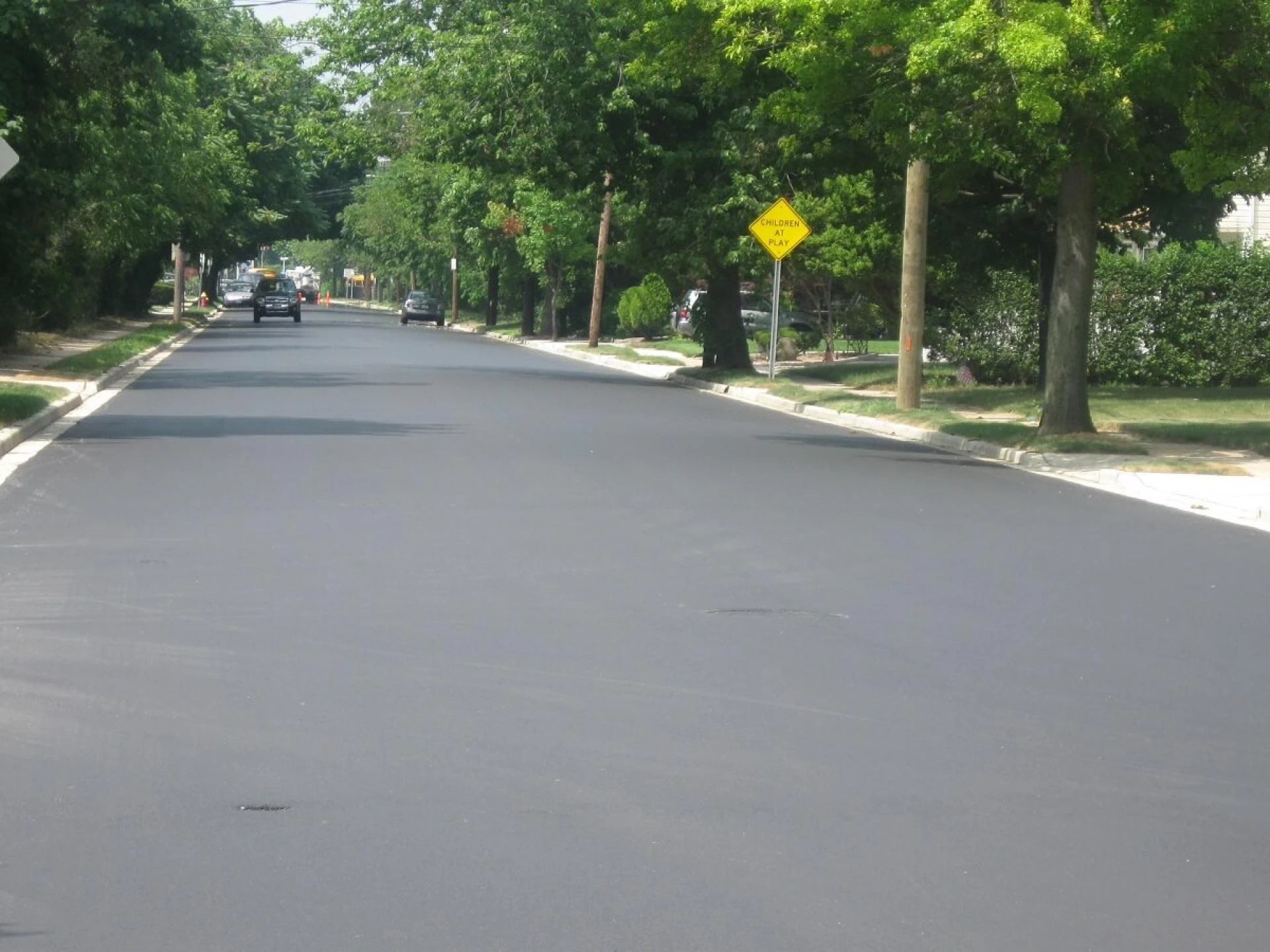
This aspect of inspection ensures that procedures, workers, services, units, and materials all conform to the specification or the requirement of the project. The industry standard that governs quality control inspection is the ISO: 9000 set of standards. Soil sampling and testing, asphalt sampling, and concrete testing in NYC are some of the procedures used to ensure that all materials conform to specifications or industry standards. Just like other types of construction inspection services, quality control inspection should be carried out regularly.
Health and safety inspection
Health and safety inspection is primarily concerned with the safety of the workers. The inspector or contractor checks if employees work in a safe environment. Health and safety inspection aims to ensure that the site meets all the safety standards set by the Occupational Health and Safety Administration (OSHA). Internal, external, or third-party auditors can carry out a safety inspection. Auditors check for several criteria such as the provision of personnel protective equipment (PPE), safety and health hazards, structural stability of components, soundness of different systems, etc.
Building regulation compliance inspection
Building compliance inspection ensures that different stages of production comply with building codes and regulations. It is usually carried out multiple times by a licensed third-party auditor or a building control local authority. Some of the stages that need building regulation compliance inspection include:
• Excavation
• Foundation
• Roof-laying
• Insulation installation
• Completion stage
OSHA inspection
OSHA inspects your building or construction project based on several reasons, one of which is scheduled inspections. They could send auditors based on complaints or referrals regarding potential hazards, or it could be because of imminent danger like a gas leak nearby, etc. Their auditors could also visit your site because of hospitalizations or fatalities.
Their main goal is to guarantee safe practices/procedures and worker safety. OSHA auditors check for PPE provision, air quality, safety procedures, physical hazards, noise, etc. At the end of the inspection, the contractor receives an official report detailing the site's level of violation or compliance with health and safety standards, and the auditors make recommendations. In some cases, the contractor pays a fine for violating safety codes.
Other types
Other aspects of construction inspection services exists apart from the ones mentioned above. They include insurance inspection, fire inspection, environmental inspections, planning inspection, and the inspection for the release of finances.
























Sign in to leave a comment.