
Regulations are essential to maintaining smooth operations and protecting the environment and workers in the industrial setting, where efficiency and safety meet. In Australia, particularly within industries that heavily rely on spray booth technology, stringent regulations are in place to govern their usage. For businesses to operate legally and responsibly, they must comprehend these requirements. With an emphasis on the technology behind these enclosed areas intended for painting, coating, and finishing applications, we explore Australian spray booth rules in this extensive reference.
Understanding spray booth technology
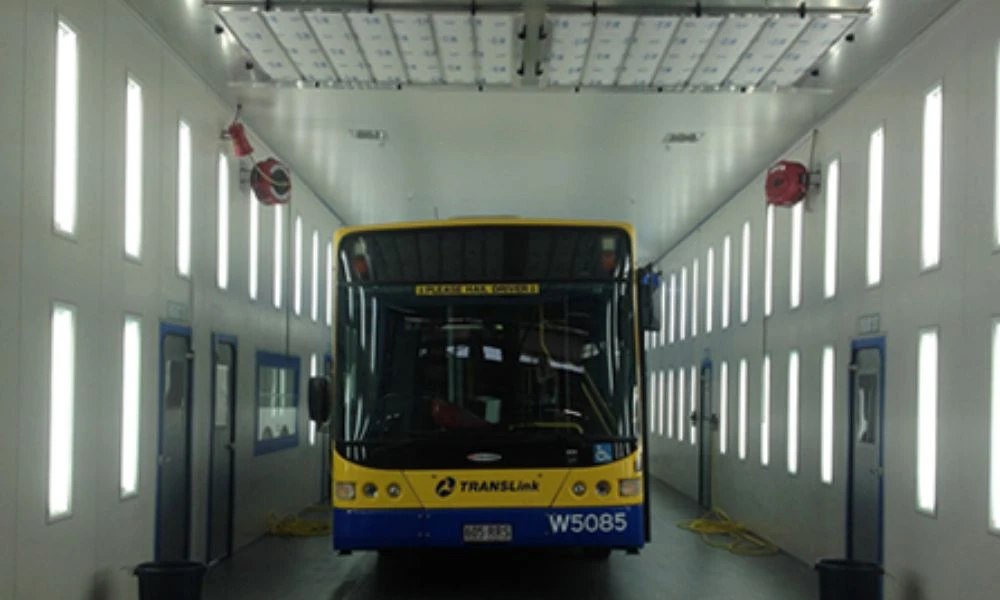
Enclosed spaces called spray booths are used in a variety of industries to apply paints, varnishes, and finishes to furniture and automobiles. In addition to controlling and removing dangerous odours, these booths also prevent contamination and contain overspray, all of which contribute to a healthy working environment.
Types of Spray Booths
There are several types of spray booths, each designed for specific applications:
- Crossdraft Spray Booths: In these areas, air moves across the surface of things being spray painted by the force of the air to filter at the other end of the booth.
- Downdraft Spray Booths: In a downdraft booth, the air moves in a direction that is opposite because the air flows from the ceiling to the floor, and that is where the contaminant is captured. This design is an improved method of preventing the release of excess droplets.
- Semi-Downdraft Spray Booths: By employing characteristics of both crossdraft and downdraft exhausts, the layout for semi-downdraft exhausts falls between the most efficient and cost-effective.
- Side-Draft Spray Booths: Air particles are drawn from one end of the chamber and blown from the other side, thus making it a side-draft spray booth. The design is well suited for outputting mass products and complex and larger materials.
Key Components of Spray Booths
Regardless of the type, all spray booths share common components essential for their operation:
- Inclosure: The particular indoor area where the painting process takes place, whether it is painting, coating, or finishing. They are known as spray booths or paint booths.
- Airflow System: This system includes fans, ductwork, and filters that regulate the movement of air streams in the booth to ensure the air is changed over and overspray carried away.
- Exhaust System: The exhausted air is to be forced outside the booth by means of a strong removal system or, alternatively, filtered from pollution prior to circulation.
- Fire Suppression Systems: The critical safety systems are to place the fires either in the booth or prevent the fires from starting within it.
- Lighting: Adequate lighting is crucial for visibility and ensuring a high-quality finish.
Australian Regulations Governing Spray Booths
In Australia, the operation of spray booths is subject to various regulations and standards aimed at ensuring workplace safety, environmental protection, and compliance with industry best practices. Some of the key regulations include:
- Work Health and Safety (WHS) Regulations: These rules, established by the authorities in both state and territory provinces, give commissions of office to employers and employees to follow all of the safety protocols without fail.
- Australian Standard AS/NZS 4114: Such standard covers design, construction, and operation requirements to permit properly ventilated, properly lighted, and fire-shielded booths.
- Environmental Protection Regulations: Spray booth operation should conform to rules on environmental management, air quality, emissions of organic-based gases (VOCs), and correct disposal of environmentally hazardous products.
- Electrical Safety Standards: The electrical architecture inside spraying cubicles must follow mandated safety standards to avoid fire risks and to secure staff safety.
- Local Government Regulations: Local authorities (such as metropolitan councils) may have additional regulations on top of that for the installation and running of spray booths in their regions or areas.
Compliance and Certification
Businesses operating spray booths must ensure compliance with all relevant regulations and standards. This typically involves:
- Installation by Qualified Professionals: Technicians should be duly licenced and have had authentic knowledge of health regulations and safety standards before others install spray booths for them.
- Regular Maintenance and Inspection: Continual maintenance and fittingness assessment of spray booths are key factors in the provision of proper function and meeting these regulations.
- Certification: Competent authorities or impartial certifying bodies have certified approval of official regulations and standards to which the enterprise complies.
- Employee Training: Individuals operating paint spray booths should be presented with proper knowledge of safety standards such as hazardous material handling, fire protection, and disaster management.
Benefits of compliance
While adhering to spray booth regulations may seem like an added burden for businesses, the benefits far outweigh the costs. Compliance with regulations offers the following advantages:
- Worker Safety: With the emission of toxic fumes, fire risks, and other hazards, the operations of spray booths are carried out with proper care to reduce the possibility of them. That is why workers in the booths are given a safe working environment.
- Environmental Protection: Meeting the regulatory standards on emissions helps avoid air pollution and prevent the soil and water from being contaminated.
- Quality Assurance: Implementation of the standards that are set by the existing regulations can make the outcome more satisfactory to the clients and improve the overall quality control.
- Legal Compliance: Evading fines, penalties, and legal infractions resulting from not complying takes precedence for the bottom line and company status.
Conclusion
In conclusion, companies that use spray booth technology must comprehend and abide by Australian rules regarding spray booths. Businesses can operate lawfully, promote a culture of safety, safeguard the environment, and uphold high levels of professionalism and quality by making sure that safety, environmental, and industry standards are followed. Spray booth operations may prioritise the health and safety of workers and the community while supporting the expansion and prosperity of industries throughout Australia if they have the necessary information, resources, and safety commitment.


























Sign in to leave a comment.