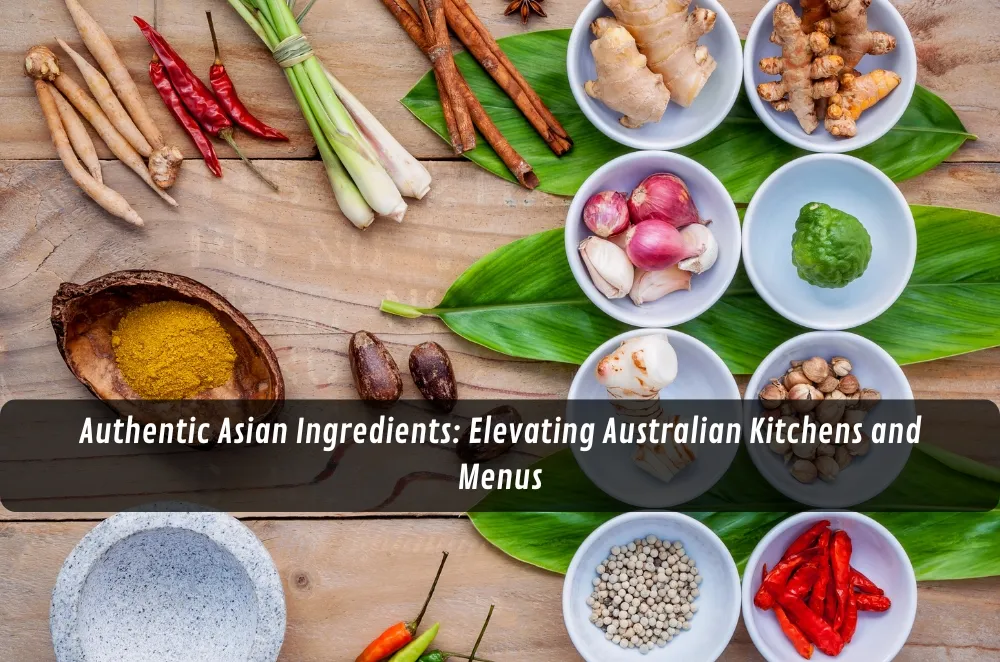

From fragrant Thai basil to the umami punch of aged soy sauce, Asian flavours have become everyday staples in Australian homes and commercial kitchens alike. Yet as consumer palates grow more sophisticated, simply stocking any “Asian-style” product no longer cuts it. Diners and shoppers now look for authenticity—ingredients that carry the true taste, aroma and provenance of the cuisines they love.
Australia’s Ongoing Love Affair with Asian Flavours
Australia’s multicultural makeup is reflected on the plate. According to the Australian Bureau of Statistics, households spend an increasing share of their food budget on Asian cuisines, and restaurant bookings for sushi, Thai and modern Asian fusion continue to surge. What began as occasional takeaway has matured into a mainstream preference, aided by travel, cooking shows and social media.
For retailers, café owners and executive chefs, this shift is both an opportunity and a challenge. The opportunity lies in menu expansion and higher customer engagement; the challenge is meeting expectations for genuine flavour. Cut-price sauces or substitution products may trim costs in the short term but risk disappointing savvy diners who can taste the difference.
Authenticity Starts with the Right Ingredients
Great cooking techniques help, but they can’t replace real, high-quality inputs. A ramen broth needs kombu harvested at peak season; a Malaysian laksa relies on belacan with the right fermentation profile. That’s why many food businesses turn to one of reliable Asian food grocery outlets to secure consistent, trusted products in bulk quantities.
When working with a specialist wholesaler, you gain:
• Direct access to reputable Asian manufacturers and growers
• Correct labelling and compliance with Australian import standards
• Stable pricing through long-term contracts
• Reduced risk of counterfeit or diluted products entering your supply chain
The result is a menu that delights customers and strengthens your brand’s credibility.
Balancing Tradition and Innovation on the Plate
Authentic ingredients don’t limit creativity—they empower it. Modern Australian chefs mix regional Asian elements with local produce for unique, Instagram-ready dishes:
• Pair Tasmanian salmon with Korean gochujang glaze for a sweet-spicy kick.
• Top a Vietnamese bánh mì roll with house-smoked brisket instead of cold cuts, keeping the pickled carrot, coriander and pâté true to form.
• Fold yuzu juice into classic lemon curd to refresh a pavlova.
Because the base ingredients are genuine, these mash-ups retain cultural integrity while pushing flavour boundaries. Diners get the best of both worlds: familiarity and excitement.
Practical Tips for Sourcing, Storing and Using Asian Ingredients
- Order in quantities that match your turnover
Dried noodles and rice have long shelf lives, but fresh herbs, tofu and miso can spoil quickly. Align order cycles with menu rotations to minimise waste.
- Check country of origin and certification
Look for recognised marks such as HACCP or ISO standards. Korean chilli flakes (gochugaru) labelled “Product of China” may signal a mismatch in terroir and flavour.
- Store smartly
• Keep soy sauce away from direct sunlight to reduce oxidation.
• Freeze aromatic curry leaves to lock in volatile oils.
• Use airtight bins for flours to deter pantry moths.
- Train staff on flavour thresholds
Some Asian condiments pack intense salt or spice. Run tasting sessions so line cooks know the correct ratios.
- Monitor cost versus yield
Quality fish sauce may cost more per litre but delivers deeper flavour, allowing smaller usage per serve and ultimately balancing food costs.
When to Partner with a Specialist Supplier
While occasional trips to local Asian grocers might suffice for small cafés, scale and consistency become critical as your business grows. Consider forging a wholesale partnership when you:
• Expand to multiple venues or franchise locations
• Launch a new product line requiring bulk import ingredients
• Need allergen-free or gluten-free verification across SKUs
• Face fluctuating freight costs and prefer consolidated logistics
• Seek menu consultation or trend forecasting from category experts
A specialist importer can streamline procurement, provide market insights and offer flexible credit terms—advantages that support profitability far beyond the raw cost of ingredients.
Final Thoughts
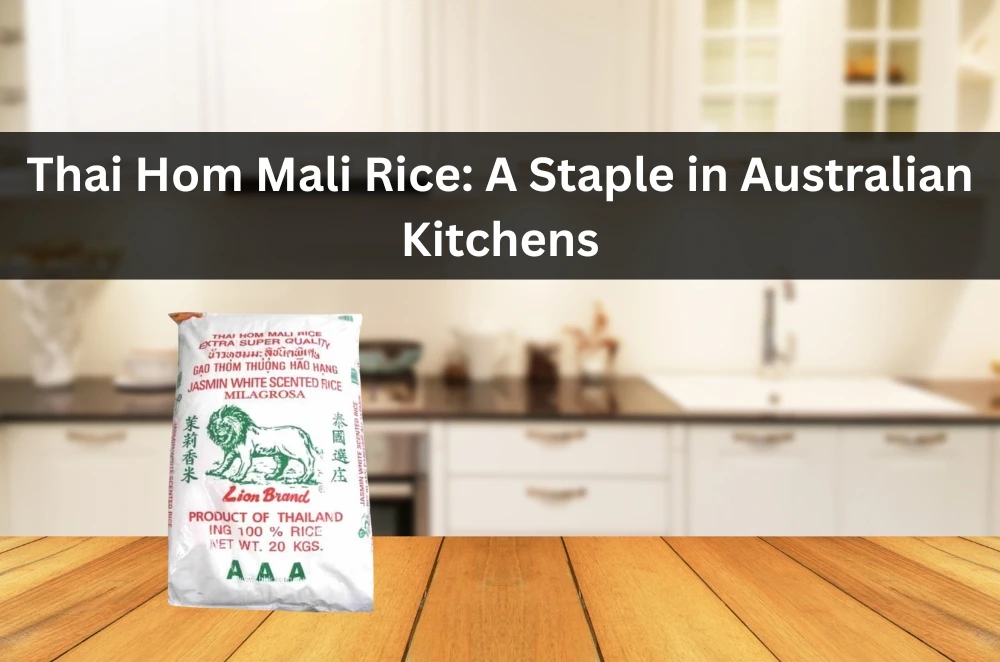
Authentic Asian ingredients have moved from niche curiosity to core elements of Australia’s culinary landscape. Whether you run a busy café, a nationwide grocery chain or a high-volume catering operation, prioritising genuine products is essential to meeting customer expectations. By combining real flavours with smart kitchen practices—and by partnering with reliable, expert suppliers, including Thai fragrant rice suppliers across Australia when consistency and volume matter—you can keep menus vibrant, margins healthy and diners coming back for more.
FAQs
What are some staple Asian pantry items every kitchen should stock?
Key staples include light and dark soy sauces, fish sauce, rice vinegar, sesame oil, dried rice noodles, coconut milk, and aromatics like ginger, garlic and lemongrass.
How can I tell if an Asian ingredient is authentic?
Check the country of origin, ingredient list, and any regional certification marks. Authentic products often have fewer additives and a deeper, more balanced flavour profile.
Do Asian ingredients have different shelf-life considerations?
Yes. Fermented sauces can last months if sealed and stored correctly, while fresh items such as Thai basil or tofu spoil quickly. Always follow supplier guidelines and use first-in, first-out rotation.
Are there gluten-free options within Asian sauces and noodles?
Absolutely. Tamari can replace wheat-based soy sauce, and rice noodles are naturally gluten-free. Always confirm certification from your supplier for coeliac-safe assurance.























Sign in to leave a comment.