Thin-Film Lithium Niobate: Why a TFLN Modulator Rewrites the Frequency Budget
Every high-frequency photonic system eventually runs into the same wall. The link needs more bandwidth, the modulator needs more voltage to deliver it, and t...
Automotive cooling systems must manage heat efficiently while meeting strict requirements for weight, durability, packaging, and manufacturing cost. As vehicle designs become more compact, component suppliers are under increasing pressure to improve heat exchanger performance without adding unnecessary bulk. Selecting the right aluminum tube is an important step in achieving this balance. Why Aluminum Is Widely Used in Automotive Cooling Aluminum offers a useful combination of low density, thermal conductivity, corrosion resistance, and manufacturing flexibility. These properties make it suit
In the highly competitive landscape of high-performance flexible packaging, certain applications demand extraordinary barrier protection that standard two-la...
Aluminum is widely used in transportation, heat exchange, compressed gas storage, mechanical systems, and other industrial applications where low weight and ...
When buyers compare seamless tubing, the debate often narrows to “drawn or extruded.” Both can be seamless, but they serve different engineering priorities. Understanding aluminum tube manufacturing methods helps avoid overspecification, where a project pays for cold-drawn precision it does not need, or underspecification, where an extruded tube cannot meet tolerance, surface, or pressure requirements. Extruded seamless aluminum tube is formed by forcing heated aluminum through a die and mandrel system. CHAL describes two primary seamless routes: pushing a hollow billet through a die and man
Electrical grids are experiencing unprecedented demands due to rising energy consumption, rapid industrialization, and the integration of volatile renewable ...
Radio over Fiber is no longer a laboratory curiosity; by 2026 it is the only economical way to move millimeterwave and uppermidband cellular traffic from a...
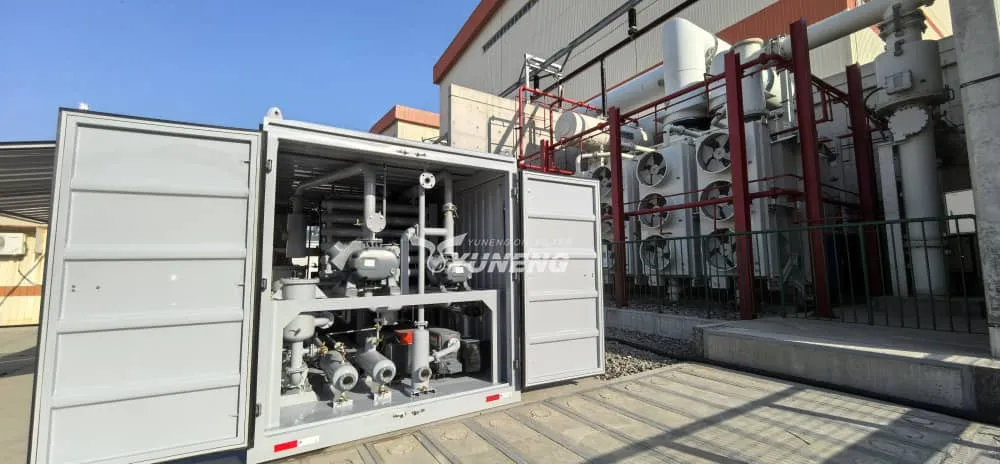
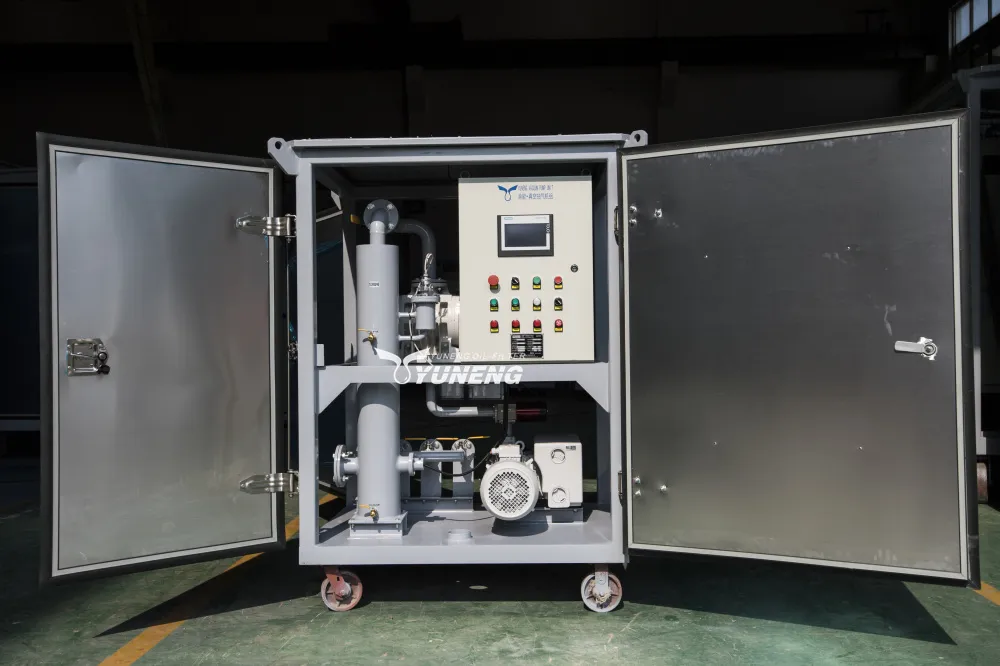
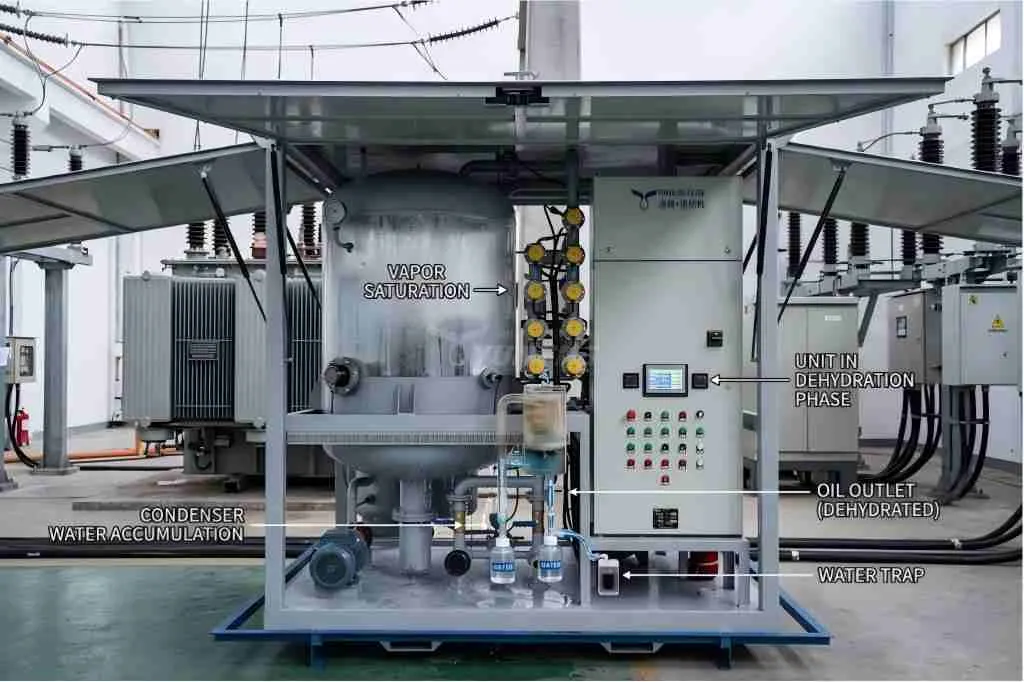
Powersystem assets are widely distributed: substations, windfarm stepup transformers, railway traction transformers, and miningsite power equipment sprea...
The waste oil recycling industry stands at a critical juncture, poised between unprecedented opportunity and persistent challenges that have hindered its ful...
Most transformer commissioning checklists read the same: inspect bushings, test tap-changer, dry the core, fill oil, energize. What gets glossed over is the ...
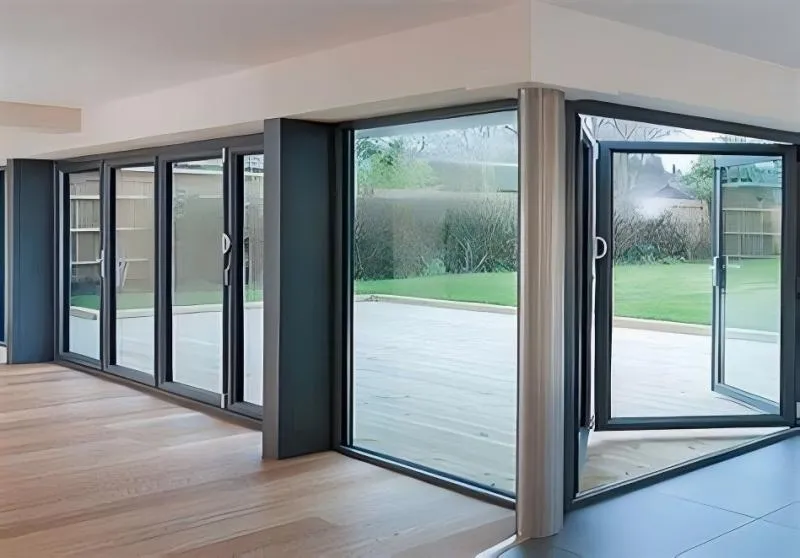
In the age of minimalist architecture and high-performance building envelopes, it is easy to assume that traditional opening systems have become less relevan...
In the rapidly evolving world of electrical engineering and construction, aluminum wire remains a product of critical importance. Yet improvements in material science, production efficiency, and performance standards compel aluminum wire manufacturer companies to innovate continually. To stay competitive and meet escalating market demands, manufacturers have expanded capabilities across alloy customization, production automation, and sustainability initiatives. At the heart of these advances is enhanced control over raw materials. The selection of alloys tailored to specific applications play
The automotive industry is currently undergoing a seismic shift toward electrification and higher fuel efficiency. This transition places unprecedented demands on thermal management systems. To maintain optimal battery temperatures and ensure passenger comfort, manufacturers are increasingly turning to advanced materials. Among these, the drawn aluminum tube has emerged as a cornerstone of modern radiator and condenser design. Unlike standard extruded tubes, drawn tubes undergo a cold-working process that significantly enhances their mechanical strength and dimensional precision, making them
While the structural integrity of a building relies on steel and concrete, its soul is often defined by its color and texture. The evolution of the color coated aluminum coil has shifted from mere protection against rust to a medium of artistic expression. Today, manufacturers are pushing the boundaries of what a coil can look like, moving beyond solid colors into realms of imitation and special effects. A significant trend within the PE color coated aluminum coil segment is the integration of specialized coating technologies. The standard polyester system, while robust, serves as a perfect c
In the realm of industrial design and factory automation, few innovations have proven as versatile and transformative as the T-slot aluminum extrusion system. This isn't just another metal component; it's a sophisticated building block system that has redefined how engineers and fabricators approach machine framing, workstations, and safety enclosures. At its core, the magic of this system lies in its simplicity and the foundational process used to create it: aluminum extrusion. The aluminum extrusion process itself is a marvel of modern metallurgy. It involves heating an aluminum billet and
The Old Problem Everyone Accepted (Until Now) For decades, balcony and corridor railings meant one of two things: ornate wrought iron that looked elegant until it started rusting two winters in, or pressure-treated wood that warped, splintered, and demanded annual staining. Both were accepted as "just how railings are." Today, that compromise looks increasingly unnecessary. Aluminium railing systems—engineered on extruded aluminum profiles, finished with techniques refined by the aluminum sheet and architectural metals industry, and installed without welding on-site—are rewriting the expec
The marine environment is notoriously unforgiving, characterized by relentless salt spray, highly corrosive seawater, and extreme weather fluctuations. In such harsh conditions, the selection of building materials is not merely a matter of cost, but a critical determinant of safety, durability, and performance. Over the years, the marine aluminum plate has emerged as the gold standard for boat builders, marine equipment manufacturers, and offshore construction projects. Among the various alloys available, the 5083 aluminum plate stands out for its exceptional resilience, while the aluminum ch
In the competitive landscape of modern manufacturing and construction, the adage "time is money" is closely followed by "material is margin." For engineers a...
rotasswriting listed a new blog