



IntroductionIf someone asks you to define entrepreneurship, the simplest answer is that it is the process of identifying opportunities, creating value,...

Launching a startup is just the beginning; the real challenge lies in sustaining growth. Business coaching can provide founders with the necessary tools to overcome common hurdles, from cash flow issues to team management. Discover how a structured 90-day framework can help startups build a solid foundation for long-term success.

In the world of entrepreneurship, navigating complex challenges can be daunting. This article reveals how a business mentor can offer invaluable guidance, helping founders make strategic decisions and avoid costly mistakes. Discover the qualities that make a great mentor and how they can transform your business journey.

IntroductionHiring a business coach is one of the smartest investments a founder or business owner can make. A skilled coach brings an outside perspect...

IntroductionPeople are the driving force behind every successful business. While technology, strategy, and processes are important, it is employees who...

As businesses grow, new challenges emerge. What worked for a startup or small business may not be enough to support expansion, larger teams, increased ...
A leadership mindset is the foundation of effective decision-making, team development, and sustainable business growth. Leaders who think strategically, embrace accountability, continuously learn, and empower others are better equipped to scale their organizations.
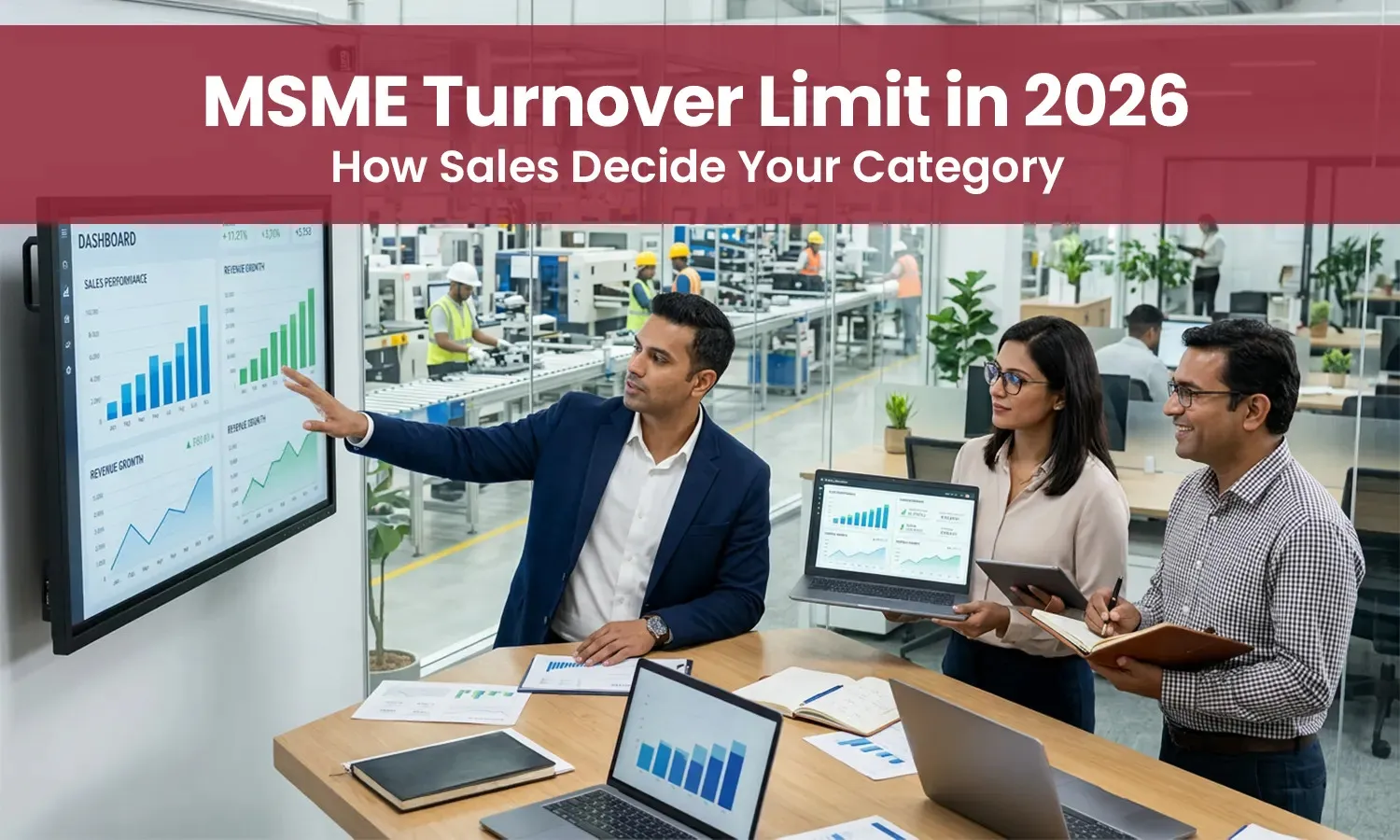
Understanding MSME turnover limits is crucial for businesses aiming for recognition and support. These limits not only dictate eligibility for government schemes but also guide strategic growth decisions. Discover how knowing your enterprise category can unlock financial assistance and other benefits essential for your expansion plans.
Access to funding is often one of the biggest challenges for growing businesses. Whether you need working capital, funds for expansion, machinery purchases, ...

Business recovery strategies help SMEs overcome operational challenges, improve profitability, and rebuild sustainable growth. By combining business turnaround planning, growth strategy consulting, and strategic consulting services, businesses can strengthen operations, improve market positioning, and create scalable systems for long-term success.

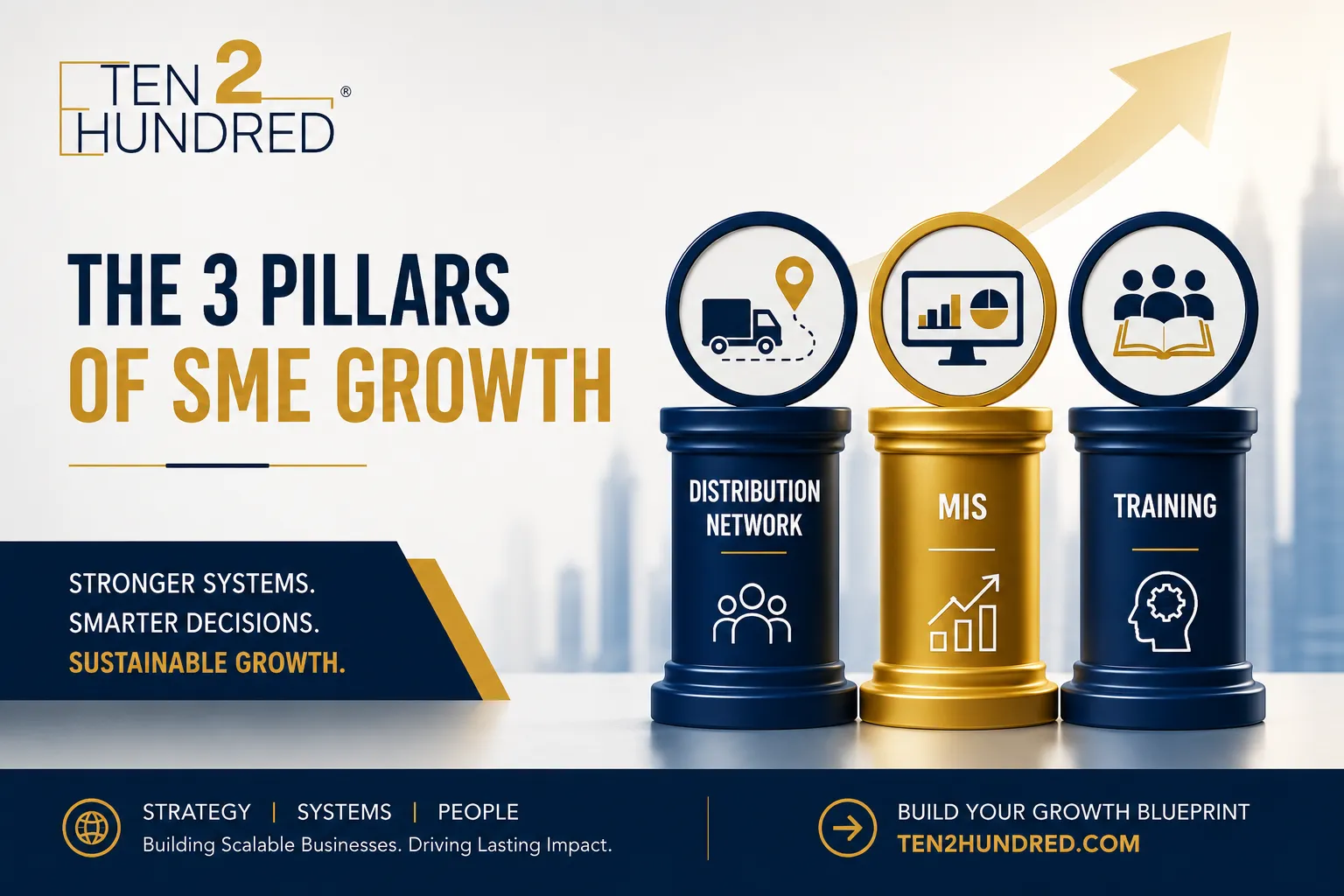
Sustainable SME growth requires more than a strong product. It depends on leadership capability, standardized business processes, and an effective distribution network. These three pillars create the structure needed to scale efficiently and profitably. Executive coaching helps founders and senior managers strengthen decision-making, delegation, and accountability. As leadership improves, teams become more aligned and focused on strategic priorities.
A strong distribution network, a reliable Management Information System (MIS), and structured corporate training form the foundation of sustainable SME growth. Together, they help businesses expand into new markets, make faster decisions, and build high-performing teams that scale with confidence.
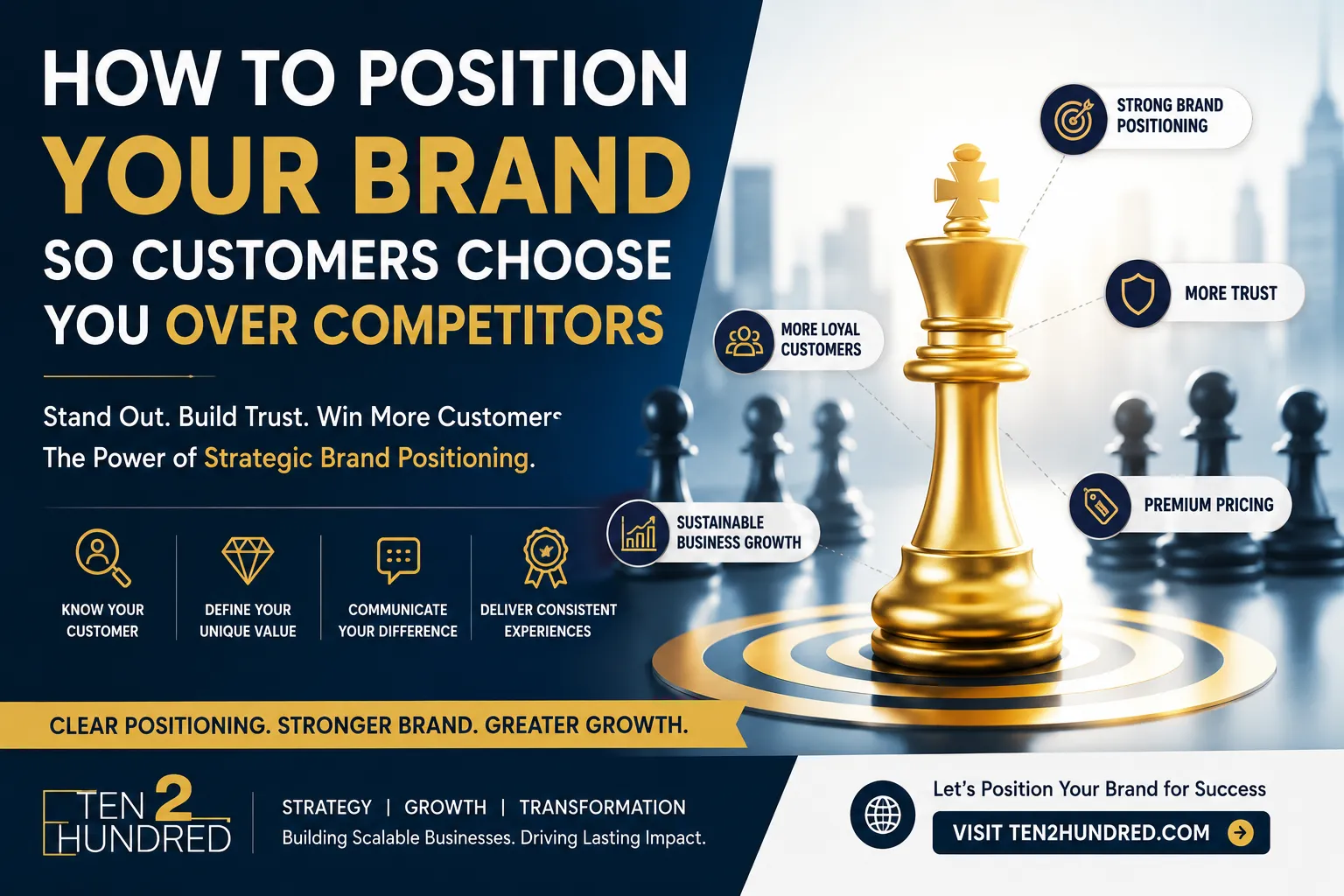
Brand positioning is the strategic process of defining how your business is perceived in the minds of customers. When your brand clearly communicates who you serve, what makes you different, and why customers should trust you, it becomes the obvious choice in a competitive market. Strong positioning helps your business stand out, attract the right customers, command premium pricing, and build long-term loyalty. This article explains practical steps to create a compelling brand position and shows
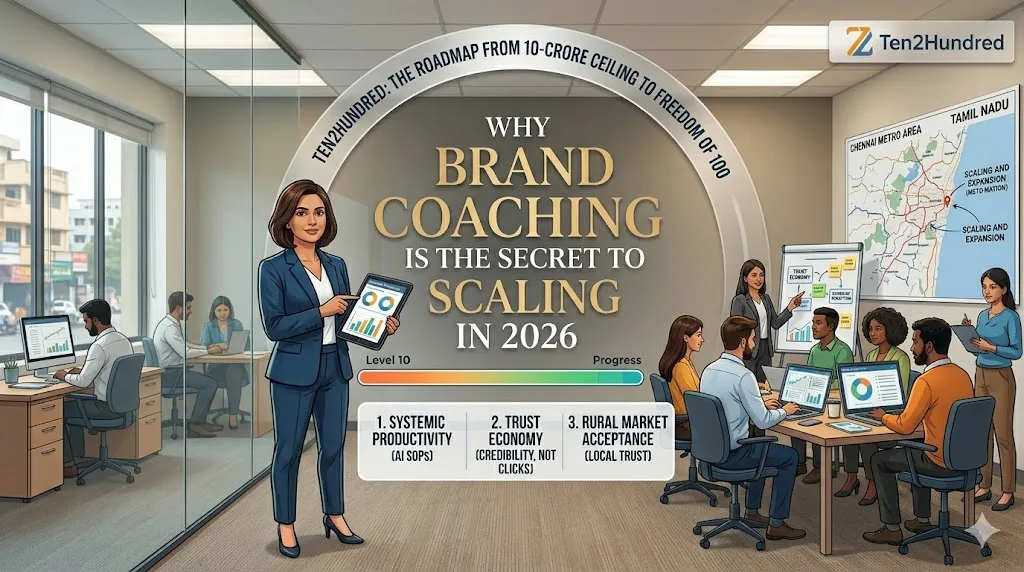
The future of business coaching isn't about managing time but mastering systemic productivity. Learn how to transform your role from the go-to person for every crisis into a strategic leader who empowers their team. Uncover the secrets to building Standard Operating Procedures that will elevate your business to new heights.
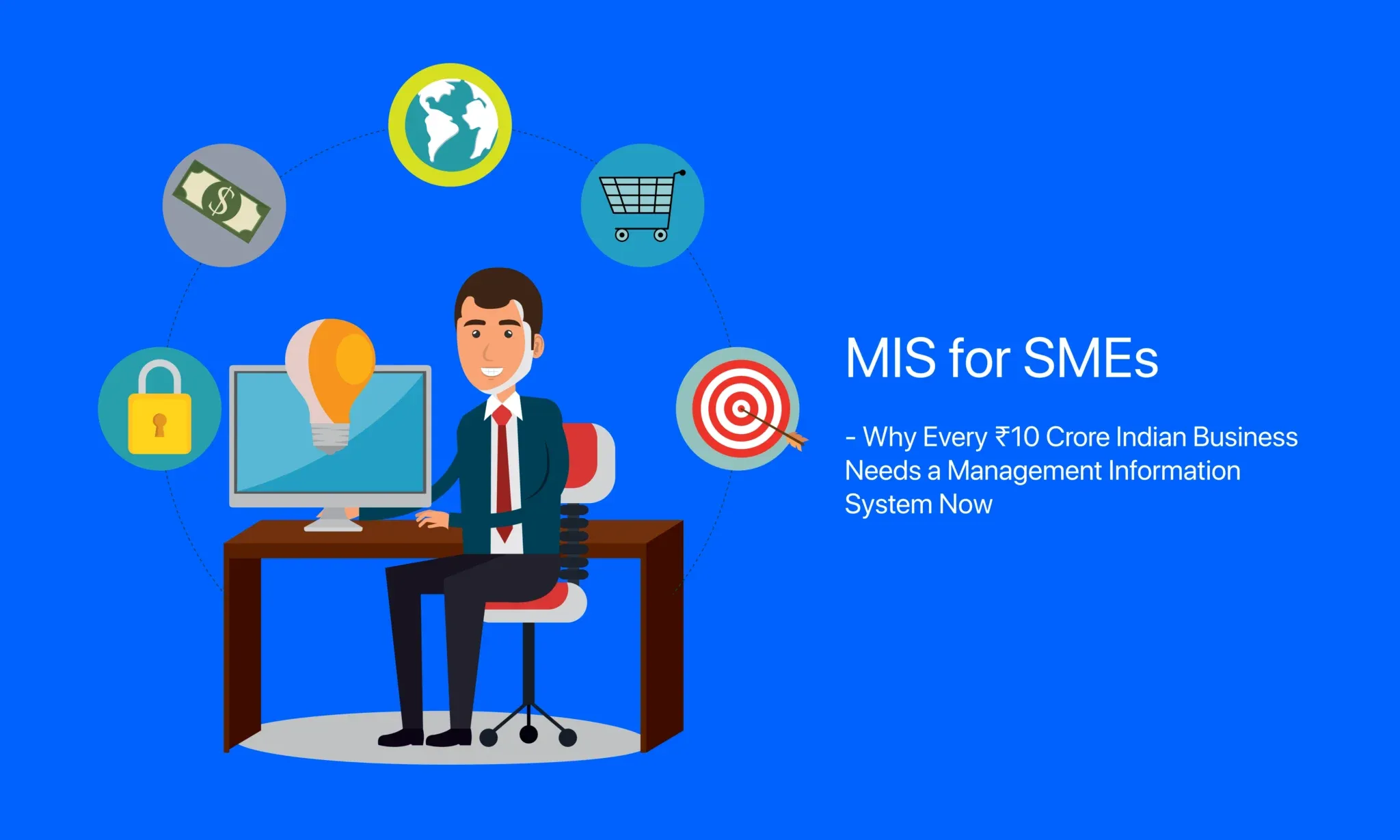
A MIS for small business India is essential for SMEs aiming to scale beyond ₹10 crore. Many businesses operate without structured reporting, relying on fragmented data and instinct-based decisions. While this may work in early stages, it creates serious limitations as complexity increases. This blog explains why a Management Information System is critical for building visibility, improving decision-making, and ensuring sustainable growth. It highlights the common problem of data gaps in SMEs an
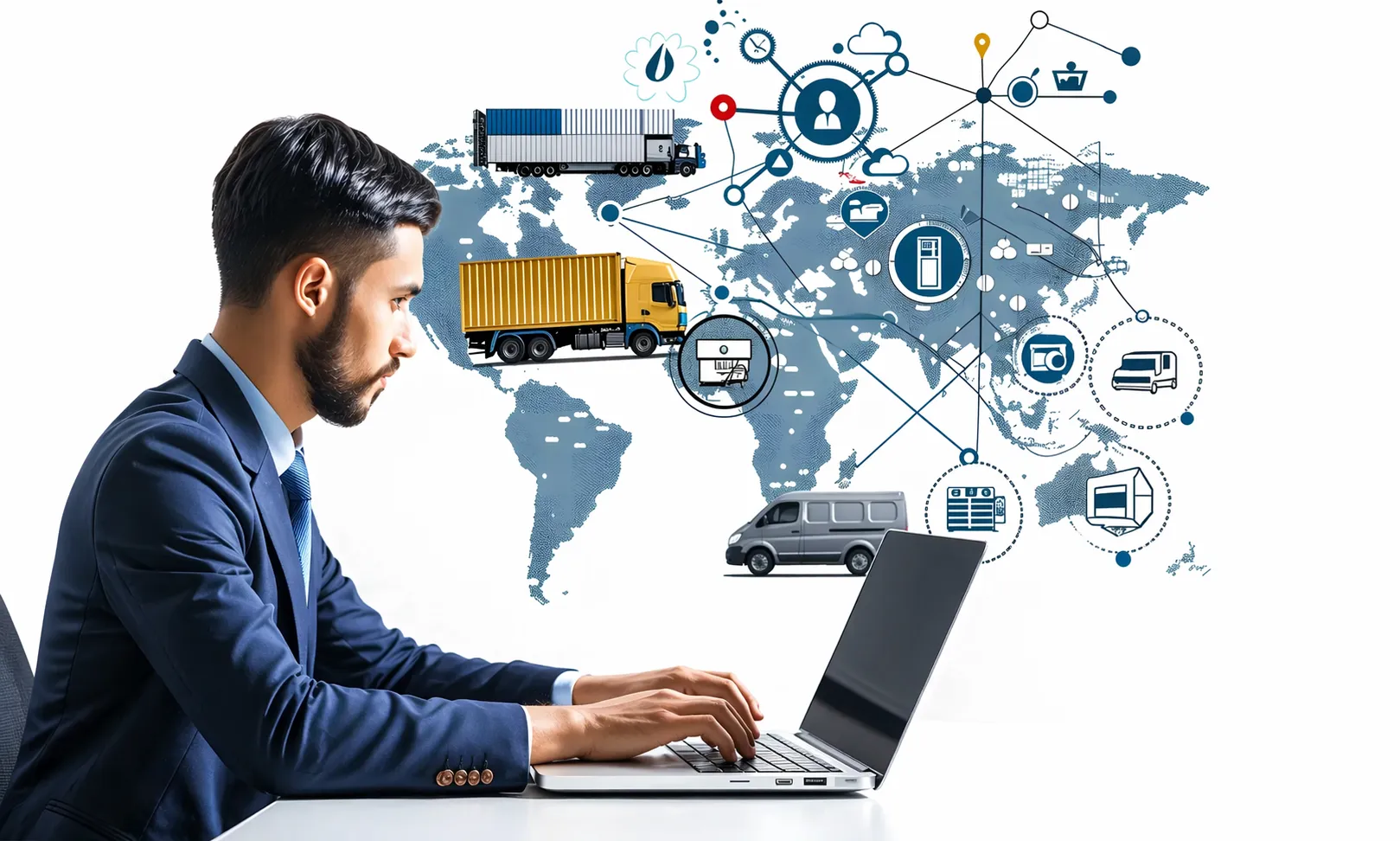
Building a distribution network in India for SMEs is essential for scaling product businesses beyond initial growth stages. Many Indian SMEs face challenges such as limited regional presence, inconsistent sales, and lack of structured channel strategy. Without a well-planned distribution network, even strong products struggle to reach the right markets efficiently. This blog explains how SMEs can design a scalable distribution network by understanding India’s diverse market landscape, including

This blog explains how SMEs in India can build SOPs that are simple, practical, and actually used by teams. It highlights why most SOP initiatives fail—often due to overcomplicated documentation, lack of training, and absence of accountability systems. Instead of lengthy manuals, businesses need clear, action-oriented processes that guide employees in real-time execution.