



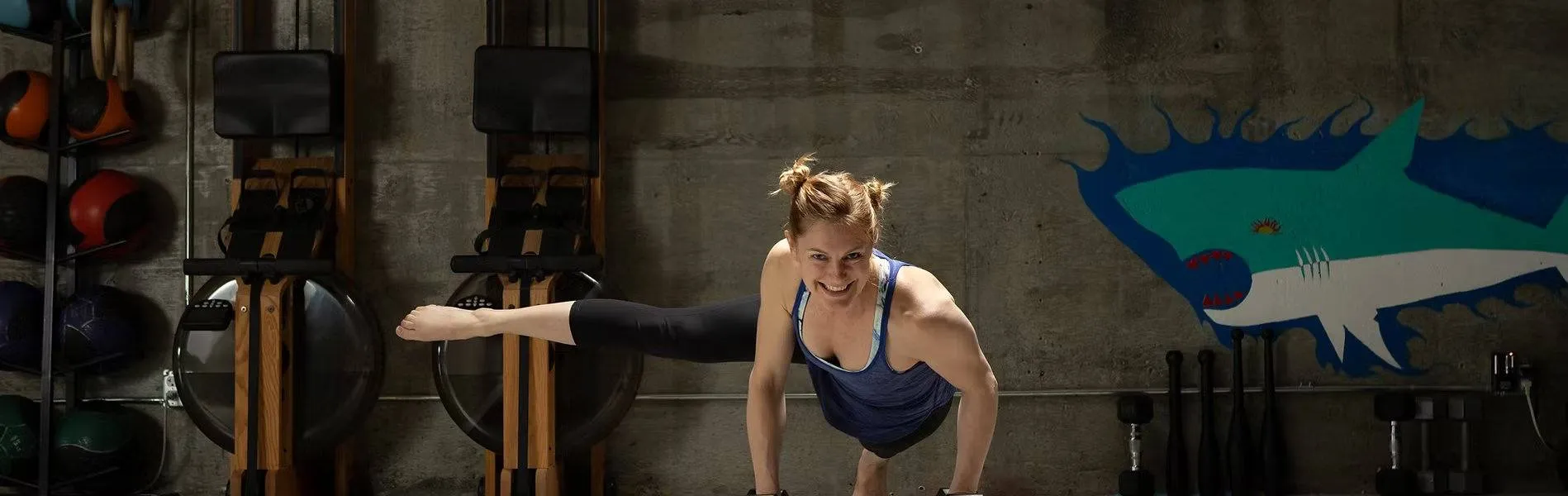
Building a healthier lifestyle does not have to mean following complicated workout plans or making big changes overnight. With the right guidance, you can de...

Pacific Northwest lifestyles demand a versatile body. From skiing and paddleboarding to navigating steep neighborhood streets, life in this region keeps people on the move. However, sitting for hours in front of screens or repeating improper exercise mechanics can lead to chronic tightness, poor posture, and persistent discomfort.

Working with a trainer can provide structure and encouragement while helping you understand why you are performing particular exercises. Over time, that knowledge can help you become more confident and independent with movement.

Movement based coaching encourages steady progress rather than quick fixes. By focusing on quality movement first, you create a stronger foundation for future strength, endurance, and overall fitness.
Movement quality, strength, mobility coach, balance, and consistency can all work together to create a sustainable approach to fitness.

Improving movement is not about achieving perfect technique overnight. Bodies are different, and movement patterns can change depending on experience, fatigue, mobility, strength, and other factors.
Strength training can build physical capacity. Mobility work can support comfortable movement. Functional exercises can connect your training to everyday life. Together, these elements create a more complete approach to fitness.
A trainer with knowledge of mobility, coordination, balance, and movement mechanics can help you develop a stronger foundation before adding unnecessary complexity.
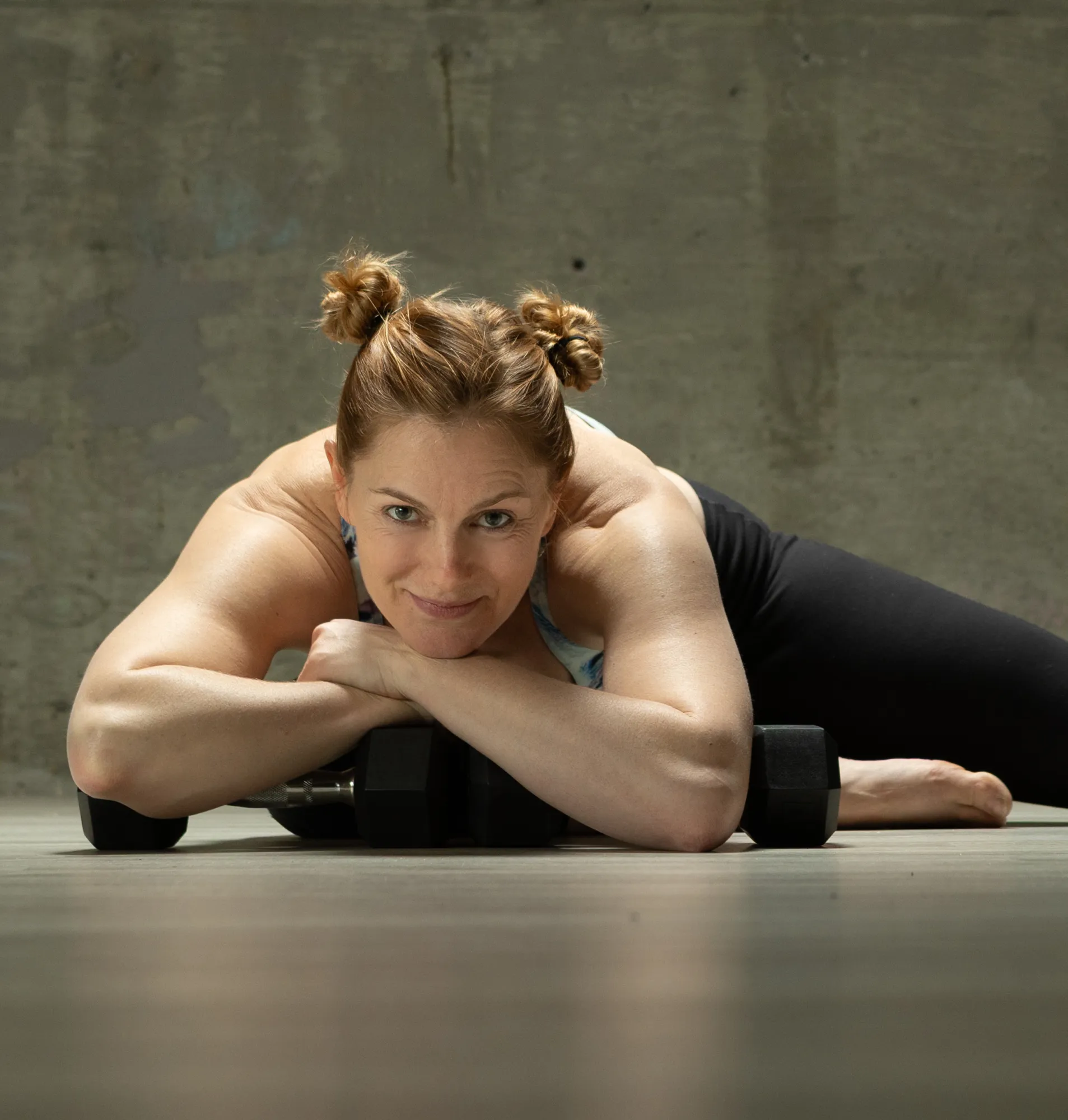
Corrective exercise is a structured approach designed to improve movement quality by addressing muscle imbalances, joint restrictions, poor posture, and inefficient movement patterns.

Gwen is a dedicated fitness professional helping individuals achieve healthier lifestyles through personalized training, practical guidance, and sustainable habits. Her approach focuses on strength, flexibility, coordination, body awareness, and better movement.
Staying fit is not only about looking stronger or spending hours in a gym. It is also about feeling comfortable and confident while doing everyday activities...
If you've been thinking about working with a personal trainer, one of the first questions that probably comes to mind is the cost. While price is important, ...
Starting a fitness journey can feel exciting, but it can also feel confusing. Many beginners are unsure about which exercises to do, how often to train, or w...
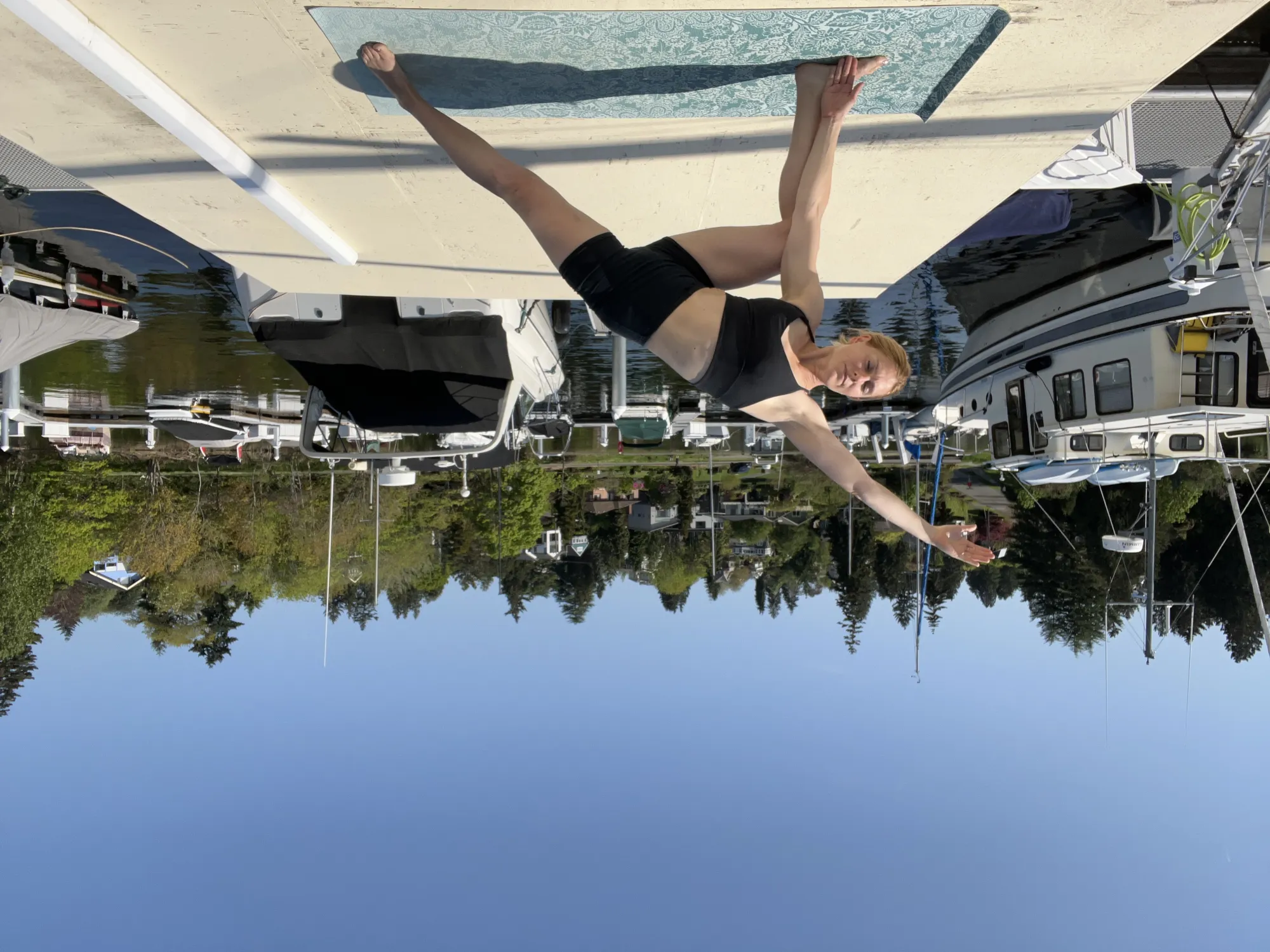
Parents appreciate exercises that increase energy and reduce everyday aches caused by lifting children or household tasks.

Training at home creates a comfortable environment where the focus stays entirely on your progress. Without distractions, many people find they can concentrate better and enjoy their workouts more.
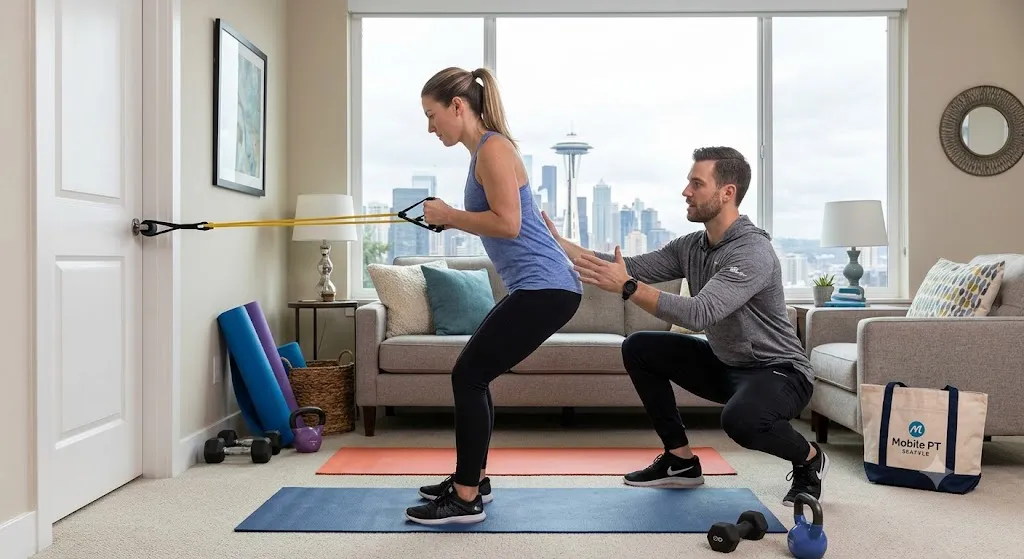
Sessions are built around your space and your goals. A trainer might bring resistance bands, kettlebells, and a stability ball, or work entirely with bodyweight movements if that's what fits your living room. The focus stays on proper form, gradual progression, and movements that translate to real life: bending, lifting, carrying, and moving without pain.

Every person has different goals, abilities, and physical limitations. A workout that works well for one person may not be effective for another. Personalized coaching helps eliminate guesswork by creating a fitness plan that fits your current condition and future objectives.

This post outlines how a personal trainer in Seattle can help individuals achieve their fitness goals through structured, customized routines rather than generic workout plans. It highlights the importance of personalized coaching for learning safe exercise techniques, preventing injury, and maintaining long-term consistency. The piece also introduces Gwen, a personal fitness coach dedicated to helping clients build strength, mobility, and confidence through sustainable daily habits.