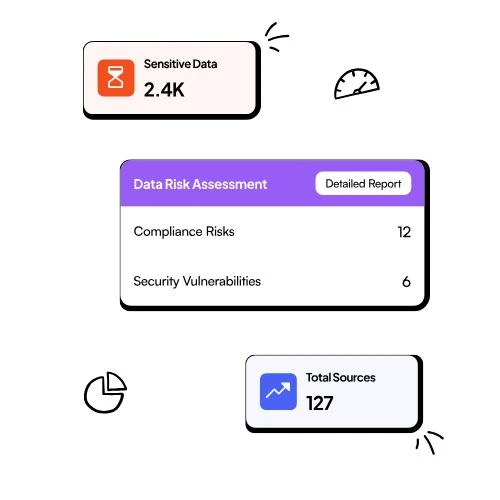

Learn how to automate data discovery processes for improved data management, efficiency, and accuracy. Discover the best tools and strategies to implement it today.
In the world of data-driven decision-making, the need for accurate, up-to-date data is more critical than ever. Automating data discovery is an essential strategy that can save time, reduce errors, and ensure that businesses make informed decisions based on real-time insights.
What is Data Discovery?
Data discovery is the process of identifying, collecting, and analyzing relevant data within an organization’s systems. It helps businesses locate the necessary data, uncover trends, and gain insights that drive informed decisions. In traditional methods, this process can be slow, cumbersome, and prone to human error. However, with automating data discovery, businesses can streamline these processes, enabling them to focus on higher-value tasks.
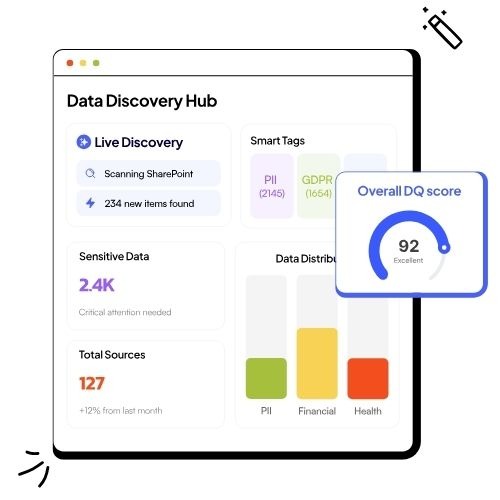
Automating data discovery involves the use of specialized tools and technologies to scan large volumes of data, categorize it, and organize it for easier access and analysis. This automation reduces manual effort, increases efficiency, and accelerates the decision-making process.
The Benefits of Automating Data Discovery
- Improved Efficiency: Automating data discovery ensures that data is collected and categorized in real-time, reducing the lag between data collection and analysis.
- Better Data Accuracy: Manual data entry and discovery are prone to human errors. Automation ensures more accurate and consistent results, reducing the chances of mistakes that could impact business decisions.
- Faster Decision-Making: With quick access to reliable data, organizations can make decisions faster, which is crucial in today’s fast-paced business environment.
- Cost-Effectiveness: By automating repetitive tasks, businesses can save valuable time and resources, enabling employees to focus on more strategic tasks that contribute to the company's growth.
- Scalability: As businesses grow, so does their data. Automating data discovery allows organizations to scale their data operations seamlessly without worrying about increasing manual work.
How Automating Data Discovery Works
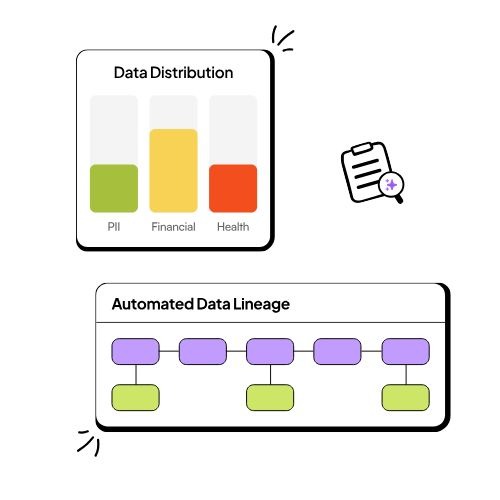
The process begins with identifying data sources. These sources can include internal databases, cloud storage, and even external data feeds. Once identified, automating data discovery tools use algorithms to map out relationships between different data sets. This automated process helps to uncover hidden patterns, making it easier for businesses to extract valuable insights from vast amounts of information.
For example, automating data discovery can involve machine learning algorithms that not only categorize data but also analyze it for patterns or anomalies. These tools can flag discrepancies or trends in the data that might have been overlooked by manual discovery methods.
Implementing Automated Data Discovery Tools
- Choose the Right Tool: It’s important to choose a data discovery tool that fits your organization's needs. Many businesses prefer solutions that integrate with their existing data platforms, whether it’s a CRM system, cloud storage, or a data lake. Popular tools include platforms like Redacto AI, which provide automated data discovery features to quickly sort and categorize data.
- Set Up Data Mapping: Once the tool is chosen, setting up data mapping is essential. This involves defining how data is organized and linked across systems, ensuring that the discovery tool can access and analyze it effectively.
- Use AI and Machine Learning: The most effective automated data discovery tools use AI and machine learning to make sense of large datasets. These technologies not only automate the discovery process but also learn from data over time, improving their accuracy and efficiency.
- Monitor and Optimize: While automation drastically reduces the need for manual intervention, it’s important to continuously monitor the system. Regular audits and optimizations can help fine-tune the processes and ensure that the data discovery process remains relevant and useful as the business grows.
Challenges in Automating Data Discovery
While automating data discovery provides significant advantages, there are challenges that businesses should be aware of:
- Data Privacy and Security: Automating data discovery can expose sensitive data if proper security measures aren’t in place. It’s crucial to implement encryption and compliance protocols to safeguard data.
- Integration Issues: Sometimes, integrating new automation tools with existing systems can be tricky, especially if the systems are outdated or not compatible with the new technology.
- Data Quality: The effectiveness of automated discovery tools relies heavily on the quality of the input data. If data is incomplete, outdated, or unstructured, the discovery process might yield inaccurate results.
Frequently Asked Questions (FAQ)
What is the purpose of automating data discovery?
Automating data discovery helps organizations quickly identify, organize, and analyze vast amounts of data, improving efficiency and accuracy while reducing manual effort.
What tools are best for automating data discovery?
Tools like Redacto AI are specifically designed to automate data discovery, helping businesses streamline their data management processes with AI and machine learning.
Can automating data discovery reduce human errors?
Yes, by automating the process, businesses significantly reduce the chances of human error that often occur during manual data entry and analysis.
Is automating data discovery cost-effective?
Yes, automating repetitive tasks saves time and resources, allowing employees to focus on more valuable tasks, ultimately reducing operational costs.
How does machine learning improve automated data discovery?
Machine learning allows data discovery tools to learn from data over time, improving their ability to categorize and analyze data accurately.
What are the security risks of automating data discovery?
The main risk is exposing sensitive data if the right security protocols aren’t in place. It's essential to ensure encryption and compliance standards are followed.
Conclusion
Automating data discovery is not just a time-saver; it’s a game-changer for businesses looking to stay ahead in the competitive, data-driven world. By using AI-powered tools like Redacto AI and implementing best practices, businesses can improve efficiency, reduce errors, and gain deeper insights from their data. As the volume of data continues to grow, automating this process will be key to maintaining an organized and efficient data system.





Sign in to leave a comment.