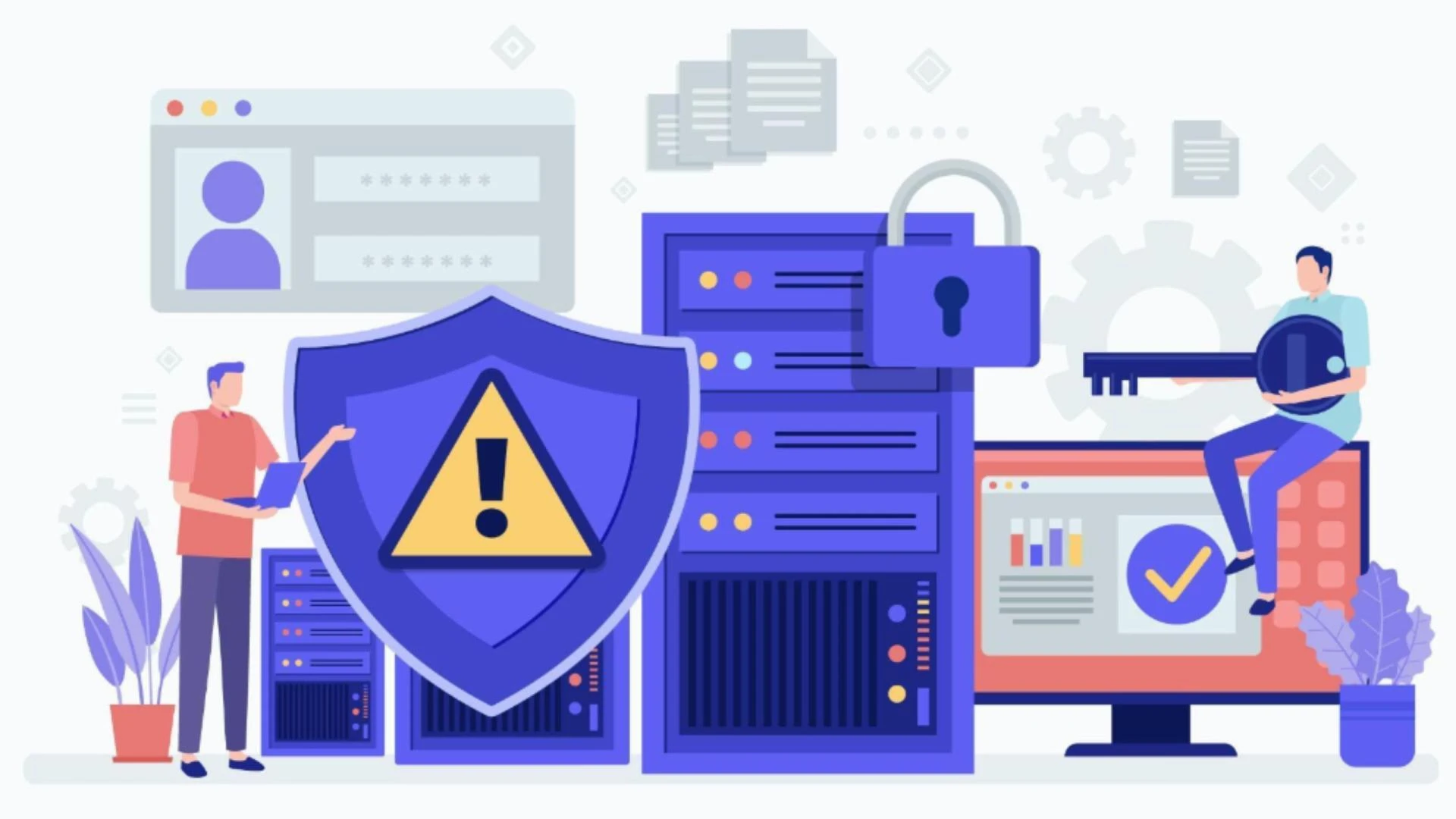

Explore the best practices and tips for securing your small business from cyber threats. Protect your data and strengthen your cybersecurity for small businesses.
Small businesses face a growing number of cybersecurity threats as they increasingly rely on digital platforms for day-to-day operations. While larger companies often have dedicated IT teams to safeguard their data, small businesses often lack the resources to implement comprehensive security strategies. This article will help you understand the importance of cybersecurity for small businesses and provide actionable steps to secure your business.
Why Cybersecurity for Small Businesses Is Essential
Cybersecurity for small businesses is a critical issue that cannot be ignored. With hackers constantly on the lookout for vulnerabilities, it is essential for small business owners to take proactive steps to protect their data, customers, and financial information.
The Cost of Cyber Attacks
Cyber-attacks can be devastating for small businesses. Data breaches, ransomware attacks, and phishing scams can lead to significant financial losses, loss of customer trust, and damage to your brand’s reputation. According to recent studies, 60% of small businesses close their doors within six months of a cyber-attack. These attacks can range from data theft to system outages, and often target businesses that lack proper cybersecurity protocols.
Small Businesses Are Prime Targets
Hackers tend to target small businesses because they know these companies typically do not have the same level of protection as larger corporations. A survey revealed that over 70% of small businesses experience at least one cyber-attack each year. As a small business owner, you need to be aware of the threats that exist and act quickly to protect yourself.
Key Cybersecurity Measures for Small Businesses
Here are several essential cybersecurity practices every small business should implement to safeguard their operations.
1. Secure Your Network
A secure network is the first line of defense in preventing cyber-attacks. Ensure your business’s Wi-Fi is encrypted and that only authorized personnel have access to it. Consider using a virtual private network (VPN) to secure communications over the internet. Also, use firewalls to block unauthorized traffic and limit network access based on roles within the business.
- Use WPA3 encryption for Wi-Fi networks.
- Set up a VPN for secure remote work access.
- Install and configure firewalls to block suspicious activity.
2. Implement Strong Password Policies
Weak passwords are one of the easiest ways for hackers to gain access to sensitive data. Make sure all employees use strong, unique passwords and change them regularly. Implement two-factor authentication (2FA) for critical systems to add an extra layer of protection.
- Use password managers to help employees store secure passwords.
- Educate employees on the importance of strong passwords and 2FA.
3. Regular Software Updates
Cyber attackers often exploit vulnerabilities in outdated software. Always keep your software, including operating systems, applications, and antivirus programs, up to date. Regular updates help protect your systems from known vulnerabilities and reduce the risk of cyber-attacks.
- Enable automatic updates to ensure timely installation of patches.
- Install security software that automatically checks for vulnerabilities.
4. Backup Your Data
Data backups are crucial in the event of a cyber-attack, such as a ransomware attack. Regularly back up your important files to a secure cloud service or external storage device. Ensure that your backups are not connected to your main network to avoid compromise during an attack.
- Use cloud-based backups for secure off-site storage.
- Set up automatic backups to minimize data loss.
5. Employee Training and Awareness
Human error is a common factor in cybersecurity breaches. To reduce risks, train your employees on how to recognize phishing emails, suspicious links, and other common attack methods. Encourage a culture of vigilance within your organization, where employees feel comfortable reporting any potential threats.
- Run phishing awareness drills to simulate real-world attacks.
- Provide ongoing training to keep employees informed of new cyber threats.
How to Respond to a Cyber Attack
Despite your best efforts, cyber-attacks can still happen. If your business is the victim of a cyber-attack, take the following steps:
- Contain the attack – Disconnect affected systems from the network to limit further damage.
- Notify stakeholders – Inform your employees, customers, and any other relevant parties about the breach.
- Investigate the attack – Conduct a thorough investigation to understand how the breach occurred and what data was compromised.
- Report the incident – Contact the appropriate authorities or cybersecurity professionals to help mitigate the damage and prevent further breaches.
Frequently Asked Questions
What is the most common cybersecurity threat for small businesses?
The most common threats are phishing attacks, malware, and ransomware. These attacks often exploit weaknesses in employee training, outdated software, or poor password management.
How can I prevent phishing attacks in my small business?
You can prevent phishing attacks by training employees to recognize suspicious emails, implementing two-factor authentication, and regularly updating your systems.
What should I do if my small business falls victim to a cyber attack?
If you experience a cyber attack, immediately contain the threat, notify stakeholders, investigate the cause, and report the incident to the appropriate authorities.
Are small businesses really at risk for cyber attacks?
Yes, small businesses are prime targets for cyber criminals because they often lack the security measures and resources of larger organizations.
How often should I update my software to maintain security?
You should update your software regularly and enable automatic updates to ensure that your systems are protected against the latest vulnerabilities.
What is the best way to backup business data?
The best way to back up business data is to use a secure cloud service and ensure that backups are stored separately from your main network to avoid exposure during an attack.
Conclusion
Cybersecurity for small businesses is not an option—it’s a necessity. As cyber threats become more sophisticated, it’s essential to stay ahead of the curve by implementing robust security measures. Start by securing your network, educating your employees, and regularly backing up data. If you follow these best practices, your business will be in a much stronger position to defend against cyber threats.
























Sign in to leave a comment.