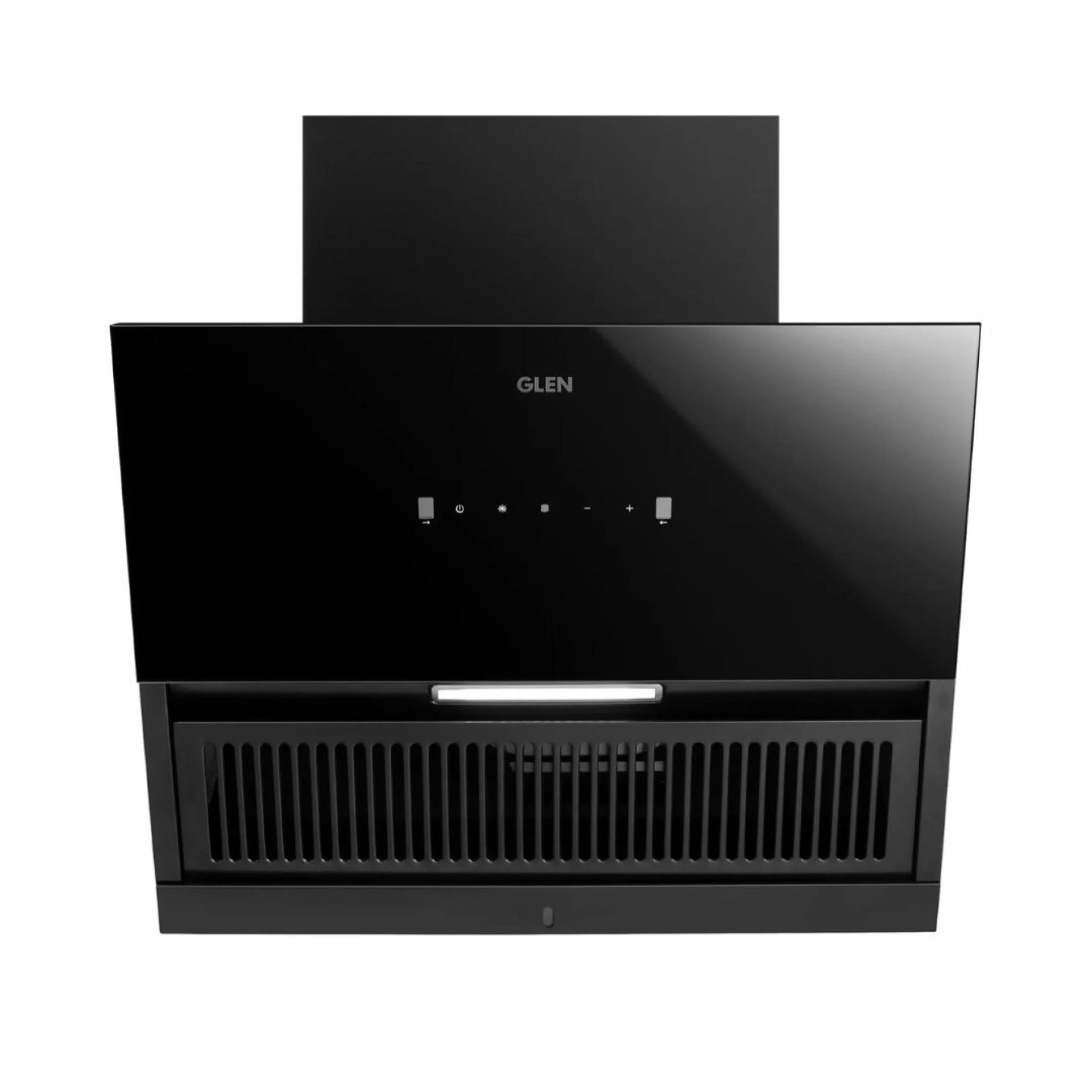

Discover the best kitchen chimney for your home with our comprehensive buying guide. Learn how to choose the right one for your needs and make an informed decision.
When it comes to keeping your kitchen fresh and free from smoke, grease, and cooking odors, a kitchen chimney is an essential appliance. However, choosing the right one can be overwhelming given the wide variety of options available. To help simplify your decision, this Kitchen Chimney Buying Guide will walk you through the important factors to consider before making a purchase.
1. Types of Kitchen Chimneys
There are mainly two types of kitchen chimneys: wall-mounted and island chimneys. Choosing the right type depends on the layout of your kitchen and where you plan to install the chimney.
- Wall-Mounted Chimneys: These chimneys are fixed to the wall above the cooking area. They are the most common type and fit well in kitchens with a regular layout.
- Island Chimneys: If you have a kitchen with an island cooktop, island chimneys are the perfect choice. These chimneys are mounted from the ceiling, making them ideal for kitchens with an open layout.
2. Consider the Size and Suction Power
The size of the kitchen chimney should match the size of your cooking area. A chimney that is too small will not effectively remove smoke and odors, while one that is too large may be inefficient and noisy.
- Size: Choose a chimney that is at least as wide as the cooking stove or cooktop. The larger the cooking area, the larger the chimney should be.
- Suction Power: Suction power is a critical factor. A chimney with higher suction power will remove smoke and grease more effectively. The suction power is measured in cubic meters per hour (m³/h). Ideally, you want a chimney with at least 600 m³/h for regular cooking and up to 1500 m³/h for heavy-duty cooking.
3. Noise Levels
Chimneys are essential for removing smoke and grease, but they can also be noisy. When shopping for a chimney, consider the noise level, especially if you have a quieter kitchen.
- Noise Level: Choose a chimney with a lower noise level (measured in decibels, dB). Most modern chimneys have noise levels ranging from 50-60 dB, which is fairly quiet. Some high-end models even offer soundproof designs.
4. Filters: Mesh vs. Baffle vs. Carbon
Filters play an important role in the efficiency of your kitchen chimney. There are different types of filters available, each with its pros and cons.
- Mesh Filters: These are the most affordable option but require frequent cleaning as they tend to collect grease quickly.
- Baffle Filters: These are made of stainless steel and are more durable. They are also easier to clean and can handle more grease and oil.
- Carbon Filters: These are used to absorb odors and are typically found in chimneys with recirculation mode. They need to be replaced periodically.
5. Maintenance and Cleaning
Regular cleaning is crucial to maintain the efficiency and longevity of your kitchen chimney. Look for a model with easy-to-clean features. Many chimneys today come with automatic cleaning options, reducing the hassle of manual cleaning.
- Self-Cleaning Feature: Some modern chimneys come with a self-cleaning feature where the chimney cleans itself with the help of a heat-based cleaning mechanism. This can save you a lot of time and effort.
6. Additional Features to Look For
When choosing a kitchen chimney, you can also consider some additional features that will enhance the functionality and convenience of your appliance.
- Auto Start/Stop Function: Some chimneys come with an auto-start and stop function, which makes the operation more convenient.
- LED Lights: LED lights in the chimney help provide visibility while cooking and add a modern touch to your kitchen.
- Touch Controls: For ease of use, look for chimneys with touch control panels or remote control options.
7. Budget and Brand Reputation
The cost of a kitchen chimney can vary based on the features, brand, and type of model. Setting a budget can help you narrow down your options.
- Brand Reputation: Opt for trusted brands like Glen, Faber, or Elica that offer good warranties and customer service.
- Price Range: Depending on the features, the price of a kitchen chimney can range from INR 10,000 to INR 50,000 or more.
Frequently Asked Questions (FAQ)
How do I choose the right size kitchen chimney?
Choosing the right size depends on the size of your kitchen and stove. Ensure the chimney is at least as wide as your cooking stove and offers adequate suction power to clear smoke efficiently.
What is the best filter type for a kitchen chimney?
Baffle filters are considered the best for heavy-duty cooking as they are more efficient and require less frequent cleaning compared to mesh filters.
How often should I clean my kitchen chimney?
It is recommended to clean your kitchen chimney every 3-4 weeks, but this may vary based on the frequency of cooking and the type of food prepared.
What is the ideal suction power for a kitchen chimney?
For regular cooking, a suction power of around 600 m³/h is sufficient. For heavy-duty cooking or large kitchens, choose a chimney with higher suction power, such as 1000 m³/h or more.
Is a self-cleaning chimney worth it?
A self-cleaning kitchen chimney can save you time and effort. It’s a great option if you cook frequently or prefer a hassle-free cleaning process.
What is the difference between wall-mounted and island chimneys?
Wall-mounted chimneys are fixed to the wall and are ideal for standard kitchen layouts. Island chimneys, on the other hand, are mounted from the ceiling and are perfect for kitchens with an island cooktop.
Conclusion
A Kitchen Chimney Buying Guide is an invaluable resource for anyone looking to enhance their kitchen’s ventilation system. With a variety of options to choose from, consider the size, suction power, noise level, and filter types to find the perfect chimney for your kitchen. Whether you're upgrading your current chimney or installing one for the first time, make sure it aligns with your needs and cooking style. Happy cooking!





























Sign in to leave a comment.