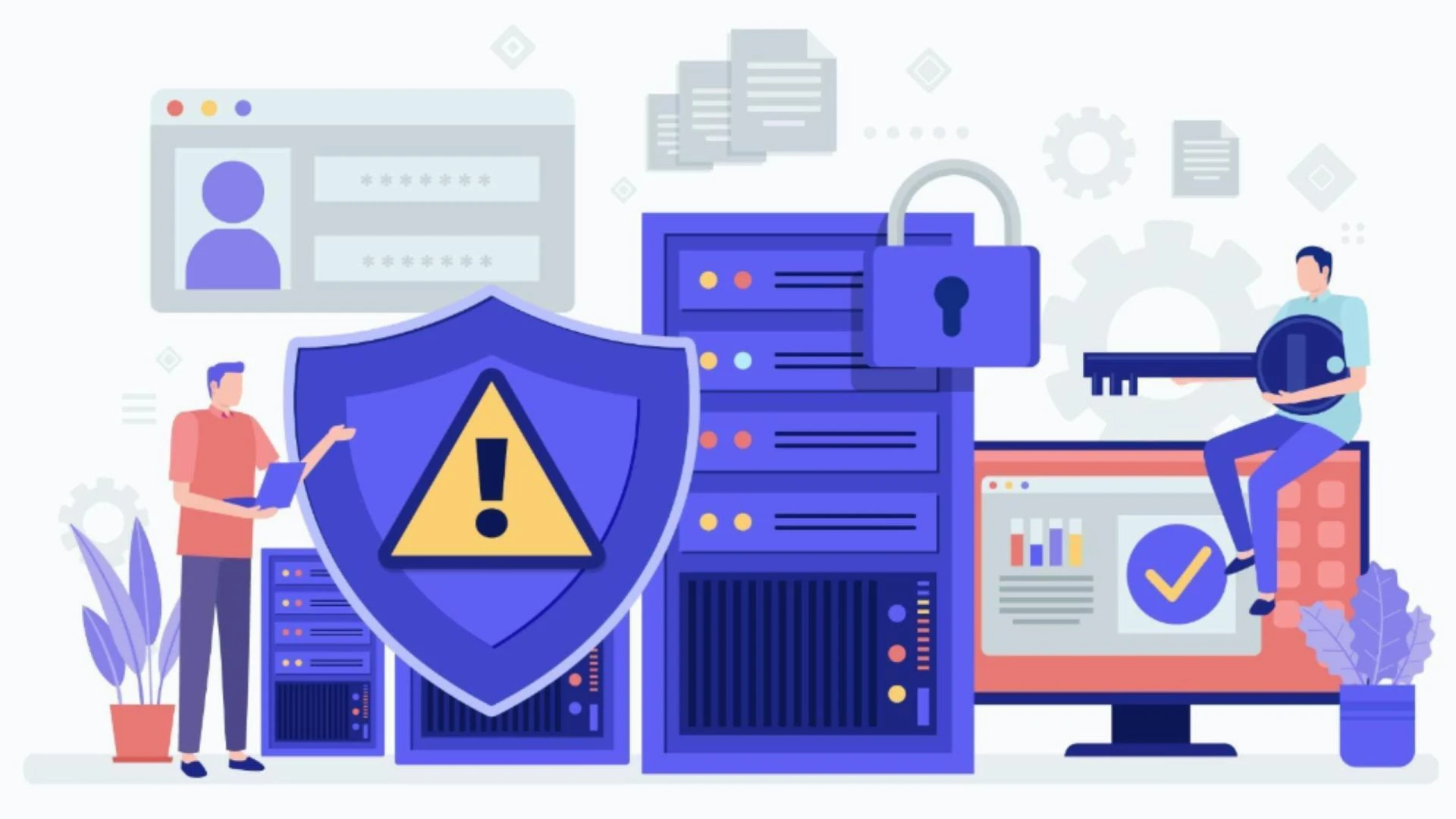

Learn everything about cybersecurity threat intelligence, its importance, and how it helps in protecting your organization from cyber threats.
In the ever-evolving digital world, organizations face constant threats from cyberattacks. One of the most effective ways to defend against these threats is by utilizing cybersecurity threat intelligence. This powerful tool helps identify potential threats, assess their severity, and implement the necessary defensive measures. Let’s dive deep into what cybersecurity threat intelligence is, why it’s essential, and how it can benefit your organization.
What is Cybersecurity Threat Intelligence?
Cybersecurity threat intelligence refers to the process of collecting, analyzing, and utilizing information about potential and current cyber threats. It focuses on understanding the tactics, techniques, and procedures used by cybercriminals, hackers, and other malicious entities to breach systems and data. The goal of this intelligence is to provide actionable insights that help organizations proactively defend against cyberattacks.
Cybersecurity threat intelligence typically covers:
- Indicators of Compromise (IOCs): Specific evidence such as IP addresses or file hashes that indicate a breach.
- Tactics, Techniques, and Procedures (TTPs): The methods and strategies used by attackers.
- Threat Actor Profiles: Information about the entities behind the attacks, such as motivations and tools.
By understanding these aspects, companies can better prepare and defend against evolving threats.
Types of Cybersecurity Threat Intelligence
There are several types of cybersecurity threat intelligence, each offering distinct benefits for organizations. These include:
- Strategic Intelligence: This high-level intelligence provides insight into global threats, trends, and geopolitical risks. It's useful for decision-makers to understand the broader cybersecurity landscape.
- Tactical Intelligence: This focuses on the technical aspects of cyber threats, such as attack methods and vulnerabilities, helping security teams to respond effectively.
- Operational Intelligence: This provides near real-time data on ongoing cyberattacks, helping to respond quickly to immediate threats.
- Technical Intelligence: This type deals with the raw data such as malware samples, network traffic logs, or exploit data, which can be directly used in defense strategies.
Each type of intelligence plays a crucial role in the overall cybersecurity posture of an organization.
Why is Cybersecurity Threat Intelligence Important?
Effective cybersecurity threat intelligence enables organizations to stay ahead of cybercriminals and mitigate potential risks. Here’s why it’s vital:
- Early Detection: By continuously monitoring cyber threats, organizations can detect suspicious activity early and take action before significant damage occurs.
- Proactive Defense: Rather than reacting to incidents after they happen, threat intelligence allows organizations to anticipate potential attacks and implement preventive measures.
- Informed Decision-Making: With detailed intelligence, businesses can make informed decisions about resource allocation, risk management, and cybersecurity policies.
- Reducing Response Time: By understanding the nature of threats, organizations can quickly identify and neutralize them, minimizing the damage and downtime caused by cyberattacks.
How to Implement Cybersecurity Threat Intelligence
To effectively integrate cybersecurity threat intelligence into your organization, consider the following steps:
1. Build a Threat Intelligence Program
Start by defining the goals of your program and the types of intelligence you need. Establish a team responsible for gathering and analyzing threat data, and ensure they have the necessary tools and resources.
2. Integrate with Existing Security Systems
Integrate your threat intelligence feeds with existing security tools like firewalls, intrusion detection systems (IDS), and Security Information and Event Management (SIEM) systems. This ensures that threat intelligence data is used in real-time to defend your network.
3. Collaborate with Other Organizations
Threat intelligence is more effective when shared. Consider joining information sharing programs or collaborating with other companies in your industry. The more data you have, the better your defenses will be.
4. Continuously Update and Refine
Cyber threats are constantly evolving. Keep your threat intelligence feeds updated and refine your analysis processes to stay ahead of new tactics and techniques used by cybercriminals.
Bullet Points: Benefits of Cybersecurity Threat Intelligence
- Early Warning System: Identifies and alerts you about potential threats before they escalate.
- Improved Incident Response: Helps organizations respond to security incidents faster and more effectively.
- Reduced Risk of Data Breaches: By staying informed about threats, companies can better protect their data from unauthorized access.
- Cost Savings: Preventing cyberattacks upfront saves the cost of handling post-breach consequences.
Real-World Example of Cybersecurity Threat Intelligence in Action
For example, an organization may receive a warning about a new type of ransomware that is rapidly spreading across the internet. With the help of cybersecurity threat intelligence, the organization can quickly implement the necessary patches, block known malicious IP addresses, and alert employees about the potential threat—reducing the likelihood of a successful attack.
Frequently Asked Questions
What is the difference between threat intelligence and regular cybersecurity?
Threat intelligence focuses on gathering and analyzing information about potential threats, while regular cybersecurity involves implementing defensive measures to protect against these threats. The main difference is that threat intelligence is proactive, while cybersecurity is reactive.
How can small businesses benefit from cybersecurity threat intelligence?
Small businesses can benefit by using threat intelligence to stay informed about potential threats, helping them to implement the right defenses without large security teams or budgets.
What tools are used to gather threat intelligence?
There are several tools like open-source threat intelligence platforms, SIEM systems, and commercial threat intelligence services that help collect and analyze threat data.
How often should cybersecurity threat intelligence be updated?
Cybersecurity threat intelligence should be continuously updated to account for evolving threats. It's essential to have a system in place for real-time updates and monitoring.
Can cybersecurity threat intelligence prevent all attacks?
While threat intelligence significantly improves an organization’s ability to defend against attacks, it cannot guarantee 100% protection. It is a critical part of an overall security strategy.
What is the role of machine learning in cybersecurity threat intelligence?
Machine learning can enhance cybersecurity threat intelligence by automating data analysis, identifying patterns, and providing predictive insights to detect emerging threats faster.
Conclusion
In conclusion, cybersecurity threat intelligence is an indispensable tool for organizations looking to protect themselves from the growing threat landscape. By understanding and implementing effective threat intelligence, businesses can stay ahead of cybercriminals, respond quickly to threats, and strengthen their overall security posture. Investing in threat intelligence today can save your organization from costly security breaches tomorrow.





























Sign in to leave a comment.