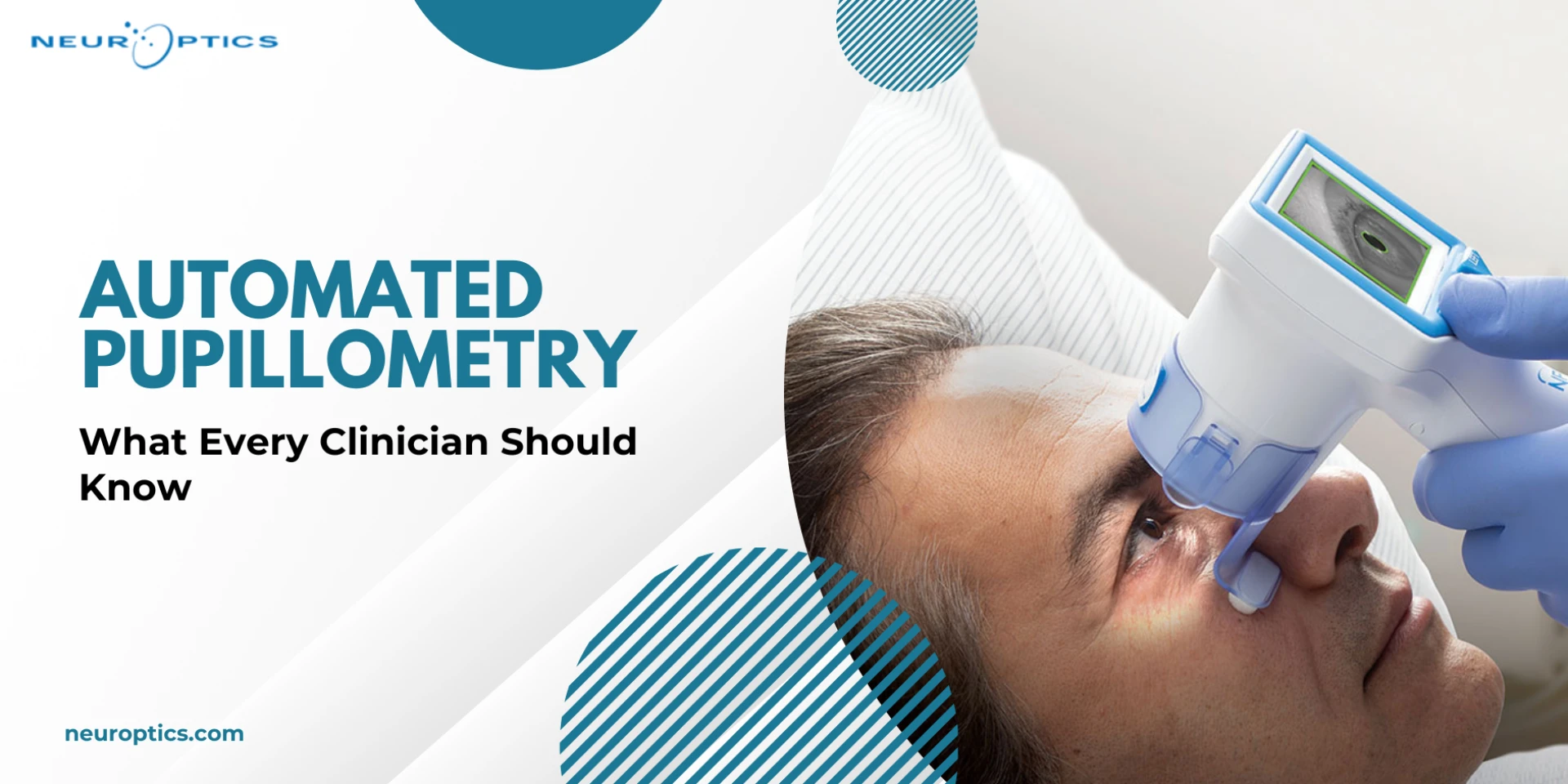

Examination of the pupils is a routine part of neurological assessment. It is usually performed early and repeated as needed. Clinicians rely on pupil size and response to light to assess neurological status. While this approach has been used for many years, it is not always consistent. Visual assessment varies between examiners and clinical settings. Automated pupillometry has become more widely used as one of the available neurological tools to support the assessment of pupil reactivity through objective pupil measurement.
Pupil Reactivity in Clinical Assessment
Pupil reactivity reflects the function of neurological pathways that involve the brainstem. A normal response includes prompt constriction to light and a return to baseline afterward. Abnormal responses may include delayed constriction, asymmetry, or lack of response. These findings can suggest neurological impairment, although they must be interpreted in the clinical context.
Because of this relationship to brain function, pupil assessment remains a standard part of the neuro exam. It is particularly relevant in patients with altered mental status, head injury, or reduced level of consciousness. In such cases, pupil response may provide useful information when other examination findings are limited.
Limitations of Visual Pupil Examination
Manual pupil checks with a penlight are still widely used, but they are not always reliable. The findings depend on who is performing the exam and under what conditions. pupil size at baseline in-room lighting, and even how long the light is applied can influence what is observed. Examinations are often quick in busy clinical settings, which adds another layer of variability.
Because of this, small changes in pupil response can be difficult to recognize. When different clinicians assess the same patient over time, descriptions may not always align. These gaps make it harder to track subtle changes in pupil reactivity, which is why objective neurological tools have become more relevant in clinical practice.
Automated Pupillometry and Pupil Measurement
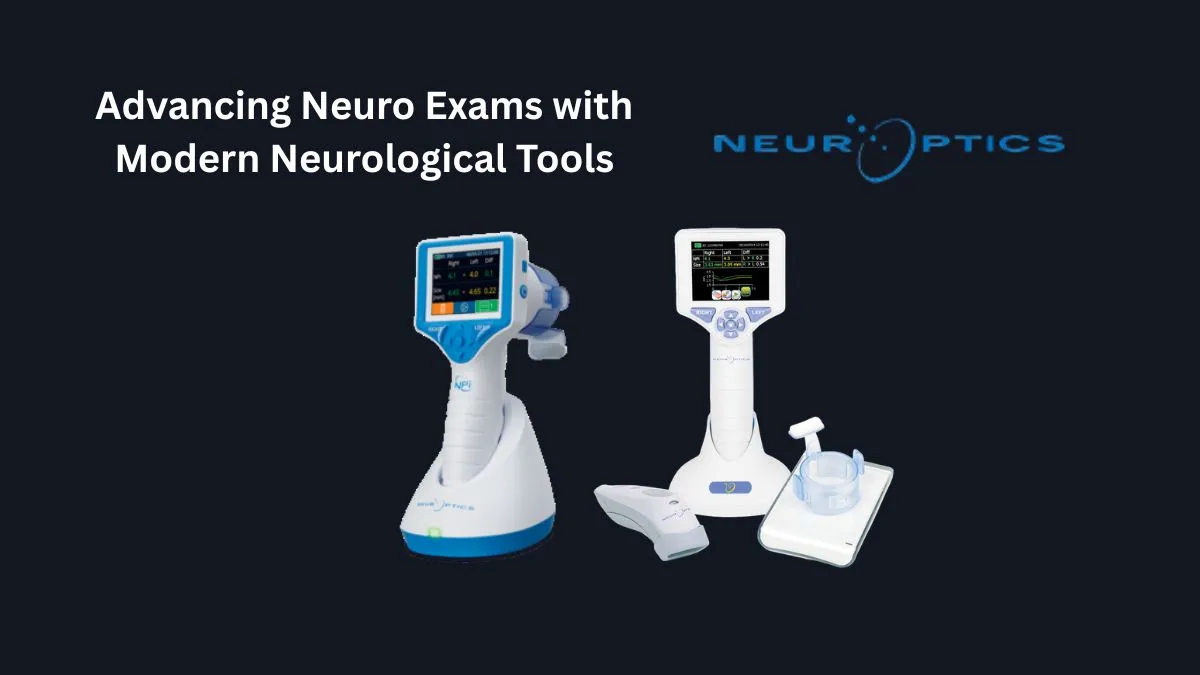
Automated pupillometry provides a consistent method for pupil measurement. The device delivers a fixed light stimulus and records the pupil response automatically. The output is numerical. This makes documentation simpler and allows results to be reviewed later.
Recorded values usually include baseline pupil size, constriction speed, dilation speed, and percentage change. Many devices also report an NPi, which reflects overall pupil responsiveness. This value is not used in isolation. It serves as a reference that can be followed over time, particularly when repeated measurements are available.
Use Alongside the Neuro Exam
Automated pupil measurement is used alongside the neuro exam, not as a replacement. Clinical assessment remains central. The benefit of automated data is consistency. When measurements are repeated, changes become easier to identify.
This approach is most useful when neurological status changes over time. In patients with traumatic brain injury or stroke, a single pupil check may not show much. Following trends in pupil reactivity often provides more useful information than isolated findings.
Assessment in Sedated or Intubated Patients
Neurological examination is limited in sedated or intubated patients. Many standard components of the neuro exam cannot be performed reliably. In these situations, pupil response remains one of the few signs that can still be assessed.
Automated pupillometry allows pupil measurement to be repeated even when patient interaction is not possible. Values can be recorded and reviewed later. This helps track neurological status over time when other indicators are unavailable. Repeated measurements are often more useful than visual assessment alone.
Application in Acute and Critical Care
In emergency settings, assessments are often performed with limited information. Time pressure and patient condition may restrict a full neuro exam. Rapid pupil measurement provides early neurological data that can be obtained quickly.
In intensive care units, repeated measurements allow clinicians to monitor trends in pupil reactivity. Single readings are less helpful. Postoperative neurological patients may also require close observation. Changes in NPi or other pupil values may prompt reassessment. Using the same neurological tools across teams helps reduce variation in interpretation.
Documentation and Consistency
Documentation based on descriptive terms is often inconsistent. Words such as sluggish or reactive are not always understood in the same way by different clinicians. Numerical pupil measurement values are clearer and leave less room for interpretation.
During handovers, objective data allows incoming clinicians to review prior findings directly. This becomes especially important when patients are managed by more than one team and assessments are repeated over time.
Final Thoughts
Pupil assessment remains a basic part of neurological evaluation. Automated pupillometry adds objectivity through reliable pupil measurement and supports more consistent assessment of pupil reactivity. As one of the commonly used neurological tools, it helps clinicians monitor neurological status across a range of clinical settings.




























Sign in to leave a comment.