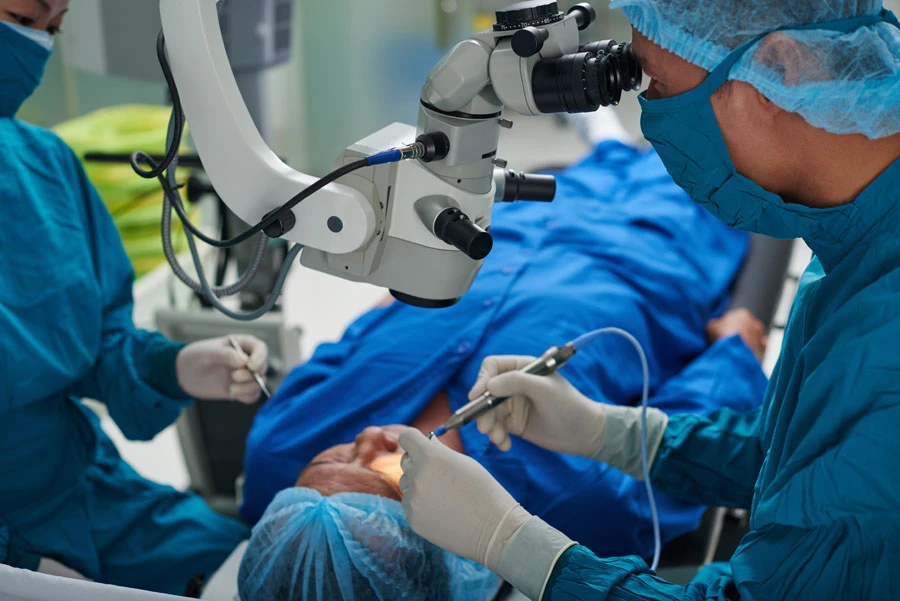

The pupillary light reflex is one of the most important signals used in neurological assessment. It provides direct information about the brain and nervous system. Your doctors have relied on traditional examination using a pen light to check the pupil reactivity. It came with many limitations. Today, digitisation has brought a new way of pupillary evaluation to give accurate results.
This blog will help you explore how the pupillary size measurement light reflex method works.
Understanding the Pupillary Light Reflex
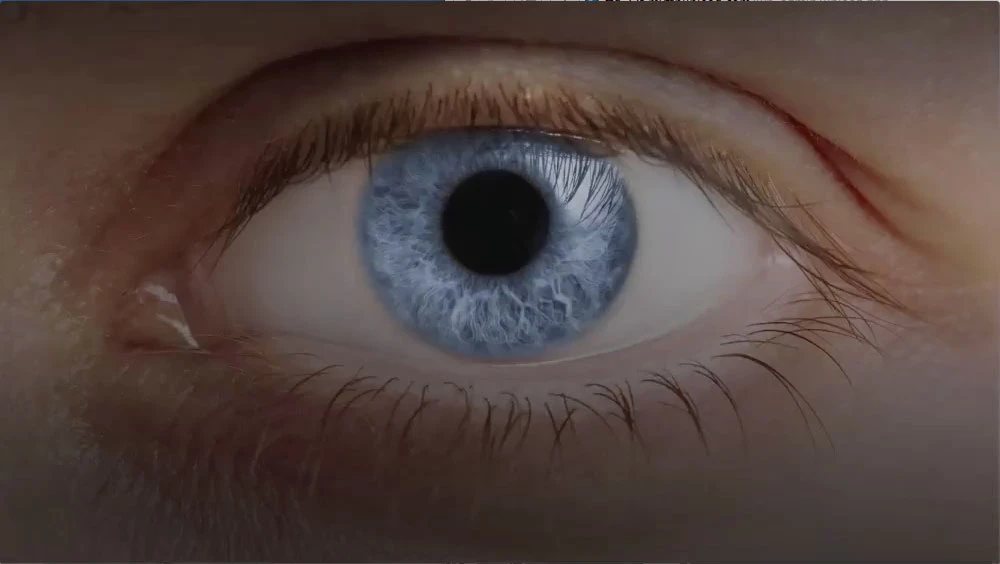
The pupil light reflex is the automatic response of the pupil to light. The pupil constricts when light enters the eye, and the pupil size returns to normal when the light is removed. This involves different neurological pathways, including the brainstem and nervous system. Any disruption in these pathways because of any brain related reason can affect the pupil response.
Traditional Manual Examination of the PLR
Traditionally, manual assessment was done using a penlight. Doctors put the pen light near your eye and observe the size and symmetry of your pupil. They also judge the reaction time. This method is quick and widely used. But this method completely depended on personal judgment and the experience of the medical staff. Different factors could affect the accuracy, such as room lighting and the movement of the patient. Different medical staff may have different judgments about the same patient’s health. Subtle changes may go unnoticed.
Limitations of Manual Pupillary Exams
Manual tests remain important, but come with several limitations. They give subjective interpretation, poor detection of small changes and inconsistent results between examiners.
Early detection becomes very important in neurological medical care, but these limitations can impact patients' health and delay the treatment.
Introduction to Digital Pupillometry
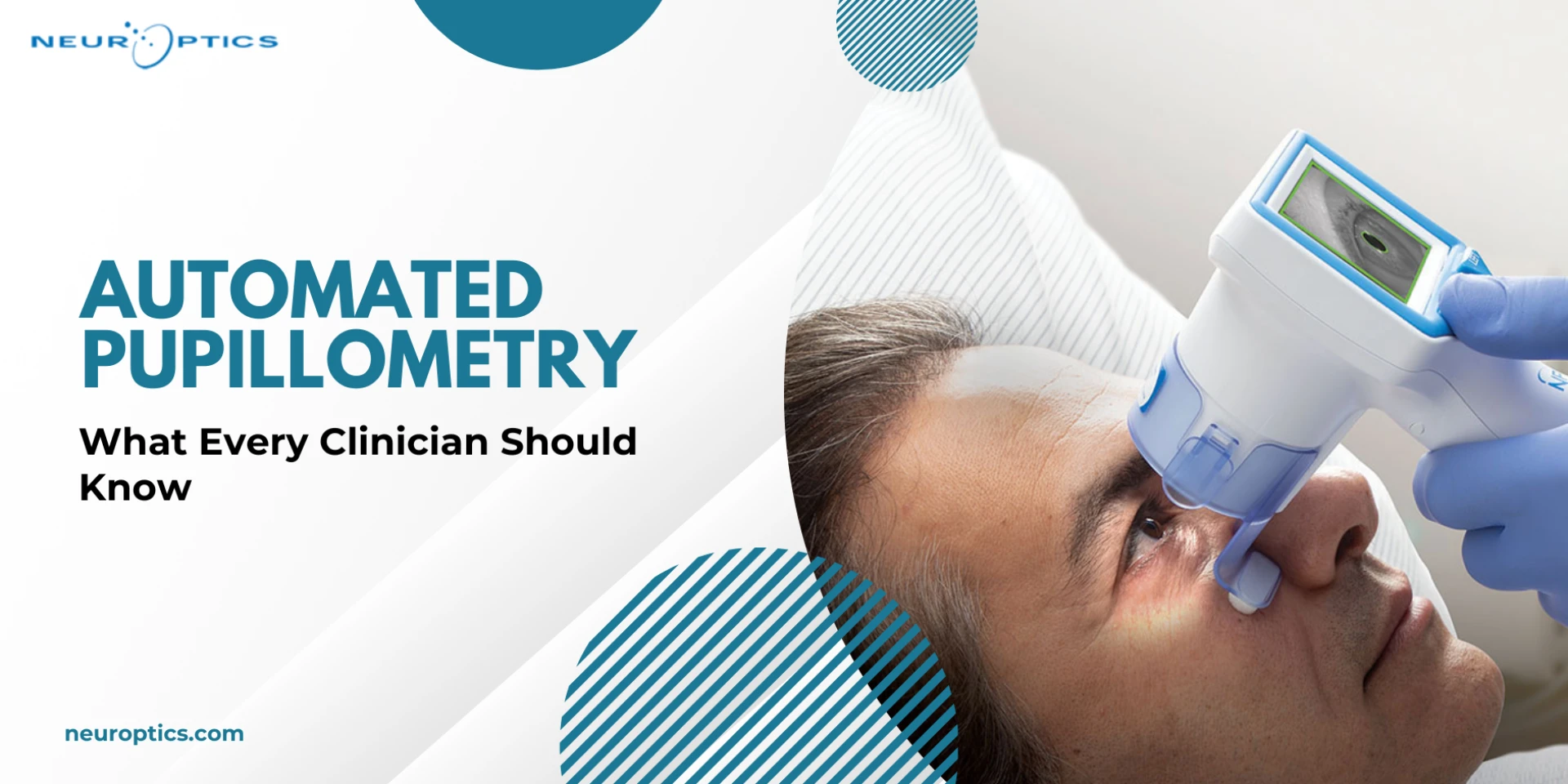
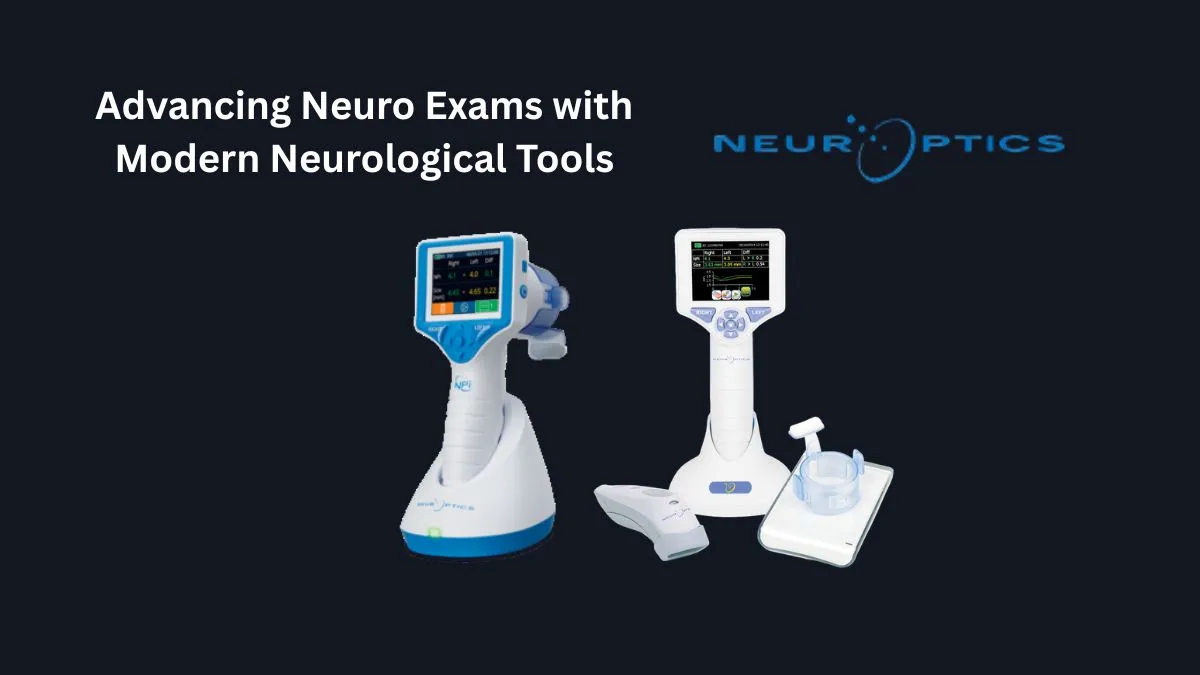
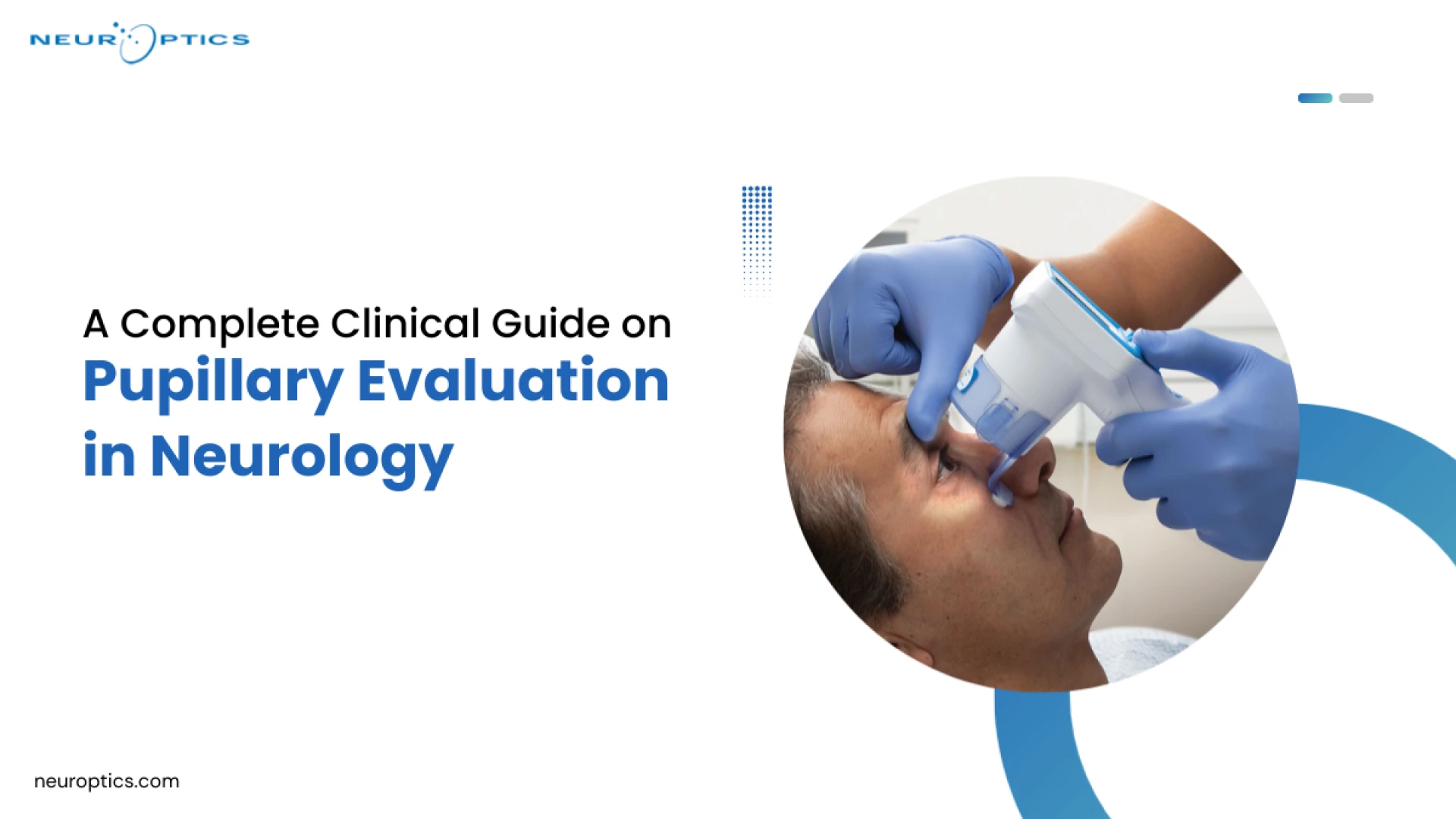
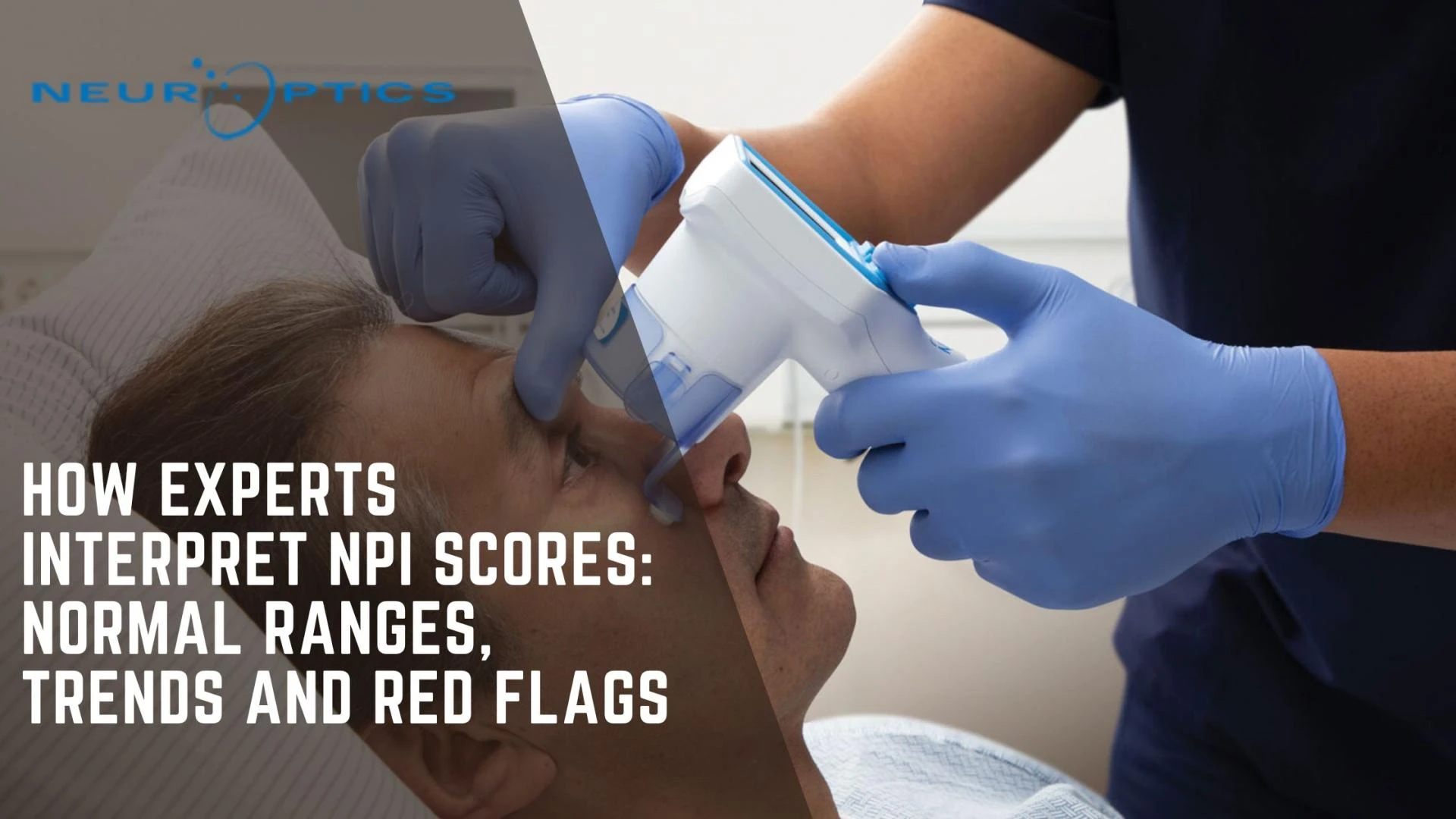
Digital pupillometry uses automated devices to measure pupil size and its reactivity to light. The device provides data such as pupillary size measurement, constriction and dilation velocity. Many systems also calculate NPi, which helps to compare patients' health. Use of this device removes all the guesswork and provides repeatable results.
How Digital Precision Improves Clinical Care
Digital pupillometry is improving the assessment. It can even detect subtle changes that are difficult to identify normally. These signals may indicate any kind of brain pressure or swelling. They can track data, keeping a standard evaluation throughout the medical team. The medical staff can alert the team before any serious damage occurs. Standardised data can be followed to keep the communication between all the departments similar. It gets easy to document in numerical data.
Evidence Supporting Digital Pupillary Assessment
Studies show that digital tests are more reliable than the traditional manual examination. Hospitals have started using digital pupillary size measurement assessment to monitor the patient's health, especially in emergency and ICU departments.
Challenges and Considerations
Despite having a lot of advantages, it comes with a few challenges. In many conditions, certain medications or any particular eye injury can influence the pupil reactivity. This technology should complement your treatment, not replace it with a neurological examination. Sometimes, affordability can be a problem as these machines are expensive. Training your medical staff and the availability of the device can also be a major drawback.
The Future of Pupillary Light Reflex Assessment
As the technology is advancing, the digitisation of these tests is becoming faster and easier to use. Integration of artificial intelligence may further bring more accuracy and help in clinical decision-making. Studies show that digital assessment will become a standard part of neurological medical evaluation across all healthcare settings.
Conclusion
The reaction of pupils to light has long been an important part of neurological assessment. Manual pupil exam are also very useful, but digital methods bring more accuracy to the results. Medical care is now shifting from subjective results to data-driven results. Medical staff can find better and quicker results by giving better treatment to patients.



























Sign in to leave a comment.