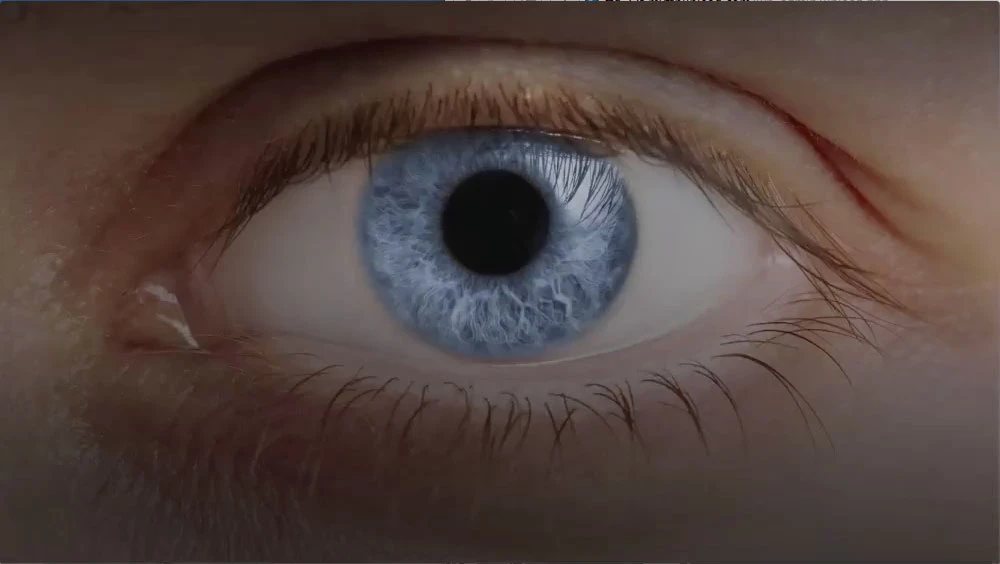

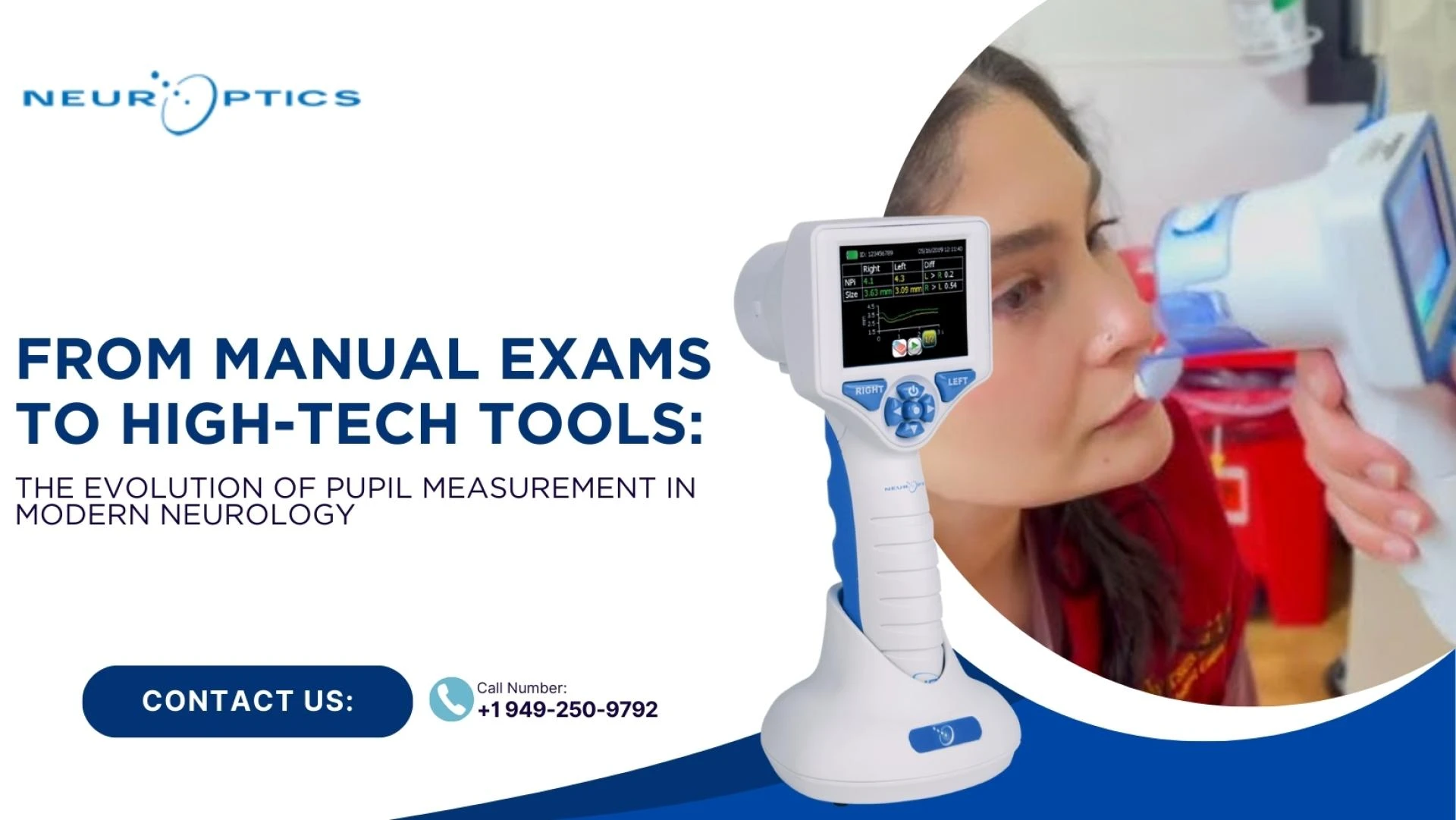
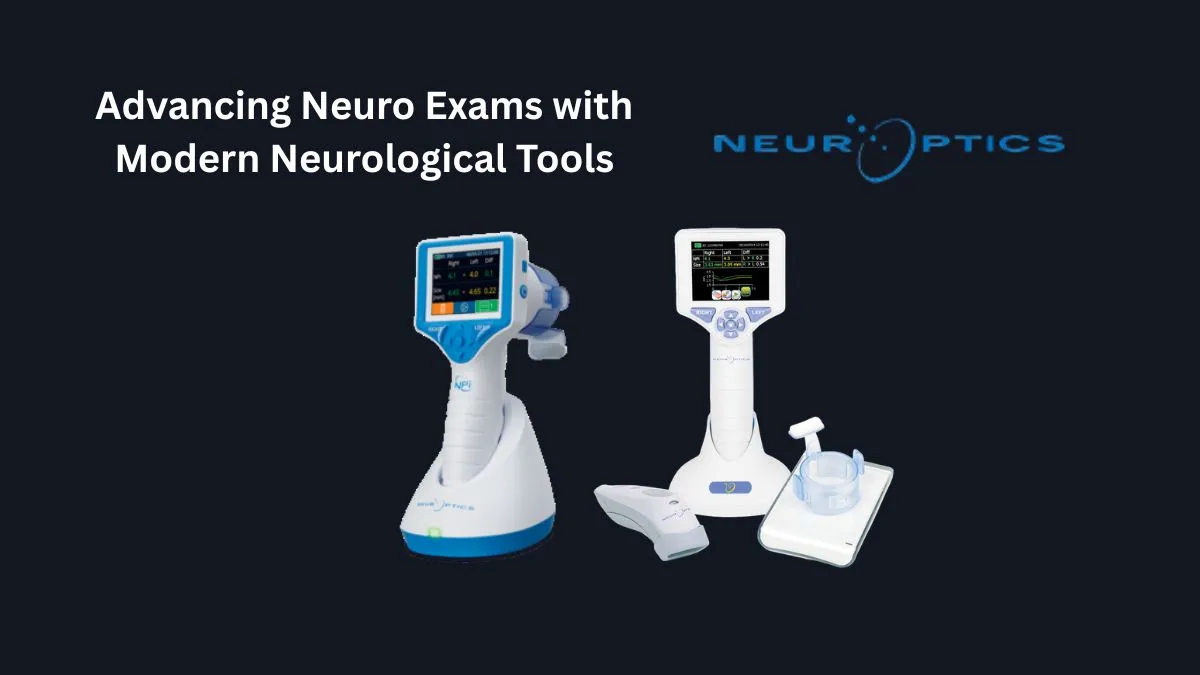
In the neurological care unit, every second is important. Small changes in patients' neurological health can signal major injury in the brain. The Pupil exam is one of the fastest and most reliable indicators to find out any neurological deterioration. Modern neurological tools include pupillometers and NPi® that provide data-driven results. This change has made pupillary evaluation important for any kind of clinical decision-making.
Why Pupillary Evaluation Matters in Neurocritical Care
Pupil is directly connected with the brain, directly affecting the overall function. Even the slightest abnormality in the pupil directly indicates a problem in the brain. It may indicate rising ICP, brainstem compression, injury following cardiac arrest, or any kind of traumatic brain injury. Because pupillary responses change early, it directly indicates neurological decline. Pupillary evaluation is a very critical part that decides patient survival.
1. Pupillary Assessment in Stroke Care
When a patient comes to emergency care with a stroke condition, the pupil exam plays a very important role in tracking the changes long before they actually appear.
Early Detection of Herniation
A poorly reactive pupil can signal herniation, which is an emergency and requires immediate treatment. Automated devices find these changes by measuring constriction and dilation velocity, the difference in the pupil size of both eyes and latency. If the NPi® score is less than three, it is directly associated with a brain injury that requires immediate treatment.
Monitoring After Thrombolysis or Thrombectomy
Swelling post-treatment can also change the pupillary reaction. Continuous documentation of NPi® tells about earlier detection and complications.
2. Pupillary Response in Traumatic Brain Injury (TBI)
For TBI management, pupil checkup remains one of the most important indicators for diagnosis and treatment.
Objective Monitoring of Neurological Decline
Traditional light checks are inconsistent. Digital tools provide exact values for NPi®, constriction percentage and reactivity. This data is more reliable and comparable.
Guiding ICP Management
When severe TBI, rising ICP can compromise brain stem function. A drop in NPi® indicates Hematoma expansion, increased mass effect and Failure of ICP management strategies.
3. Elevated ICP and Pupillary Evaluation
Monitoring for high pressure inside the brain is one of the most important jobs in the neuro unit. The nerve that makes your pupil shrink is directly connected to the brain. A small swelling in the brain can directly affect the pupil reaction.
Using a tool like NPi® gives doctors an early warning sign. A drop in NPi® even before the patient looks sick can help doctors react quickly.
Since ICP can change suddenly, checking pupils on a regular basis will help you track what’s going on. Doctors combine this test with other checks like ICP monitors (EVD), brain scans (neuroimaging), or EEG. This gives a better picture.
4. Pupillary Assessment After Cardiac Arrest
Post-cardiac arrest patients usually suffer brain injury. Pupil examination is required for early detection.
Pupillary Reactivity as a Prognostic Marker
Improving reactivity indicates recovery. If the pupil is non-reactive, constriction velocity is decreased, abnormal NPi®, these may indicate severe injury.
Avoiding False-Negative Evaluations
Different factors like sedation, temperature management and metabolism disturbance can affect the manual pupil exam. Pupil evaluation with the help of a pupillometer is more accurate and less affected by these factors.
5. How Automated Pupillometry Enhances Neurocritical Care
- The results are very precise. It can detect the smallest change that is not visible to the naked eye.
- Every reading uses the same algorithm.
- NPi® graphs help doctors check the improvements over time.
- Consistent data improves communication among all the medical staff.
- Detecting early problems helps in better treatments.
Conclusion
The evaluation of pupillary reaction is very important in the neurological department. From stroke to brain injury, everything can be detected earlier with the help of pupil reactivity. With the development of modern neurological tools, doctors can detect early and deliver faster treatment. Evaluation is not just a routine check but is a real-time update about your brain health.



























Sign in to leave a comment.