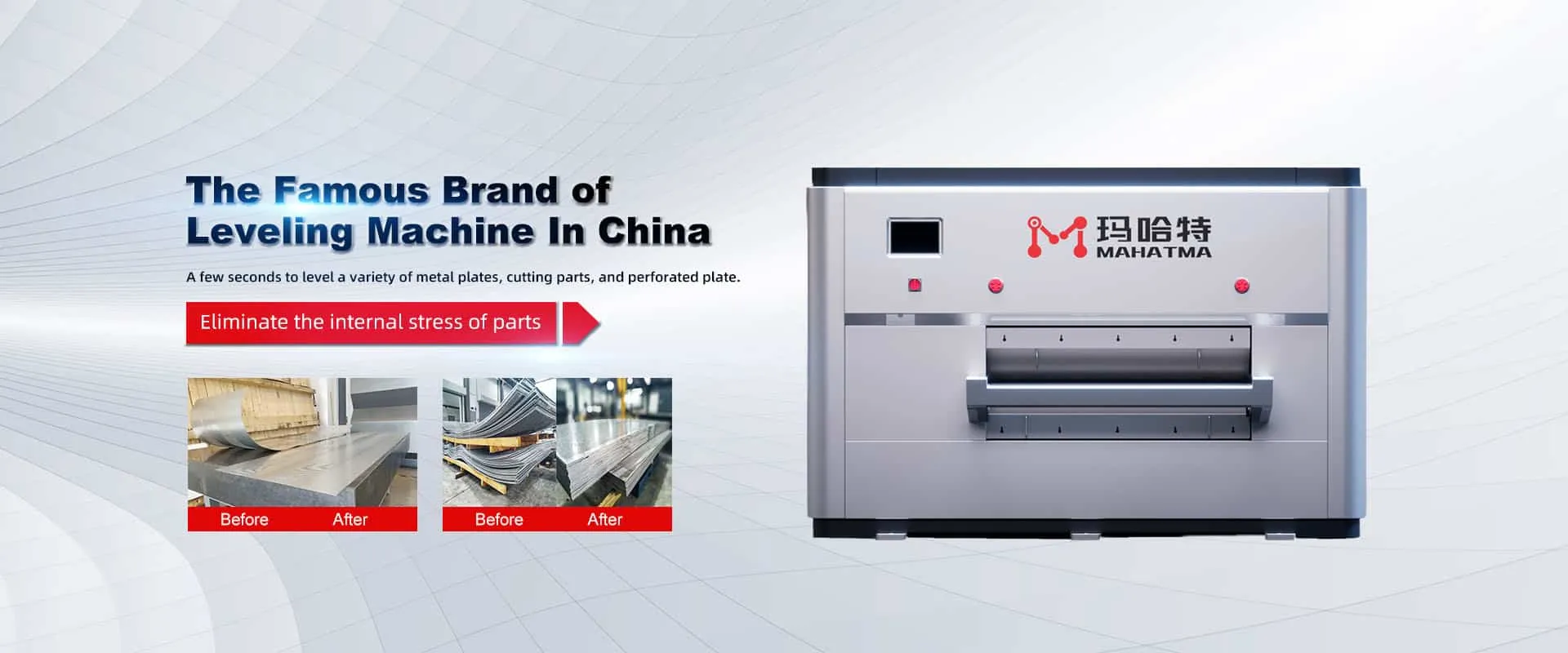

Automatic deburring machine technology has become an important part of modern manufacturing, especially for industries that require accurate, smooth, and consistent component finishing. After machining, cutting, drilling, milling, or casting, metal parts often have unwanted burrs and sharp edges. Removing these imperfections manually can consume considerable time and may produce inconsistent results. Automated deburring provides a practical way to improve finishing quality while maintaining production efficiency.
For manufacturers, surface quality is not simply about appearance. Proper edge finishing can improve component safety, assembly performance, durability, and overall product quality. MAHATMA GROUP provides industrial solutions designed to support manufacturers looking for reliable and efficient finishing processes.
Why Is Deburring Important in Manufacturing?
Burrs are small unwanted projections that remain on a component after machining or fabrication. If they are not removed correctly, they can interfere with assembly, damage mating components, create sharp edges, or affect the final appearance of a product.
Traditional manual deburring generally requires workers to inspect and finish each component individually. While this approach may be suitable for small production quantities, it can become inefficient when manufacturers need to process hundreds or thousands of parts. Automated finishing equipment helps create a more repeatable process while reducing dependence on manual labor.
How Does Automated Deburring Improve Productivity?
An Automatic deburring machine can perform repetitive finishing operations with greater consistency than conventional manual methods. Once the equipment is configured for a specific application, manufacturers can process components according to defined operating parameters.
One major advantage is reduced processing time. Manual deburring can require workers to handle, inspect, and finish individual parts. Automation can streamline these steps, allowing production teams to focus on other important manufacturing activities.
Automation can also support consistent finishing. Human operators may naturally apply different amounts of pressure or spend different amounts of time on individual components. A properly configured machine can maintain a more uniform process across a production batch.
What Types of Components Can Be Processed?
The suitable application depends on the machine configuration, component geometry, material, burr characteristics, and required finish. Manufacturing operations involving machined metal components, fabricated parts, cast components, and other industrial products may benefit from automated edge-finishing solutions.
Complex production environments can also use automation to integrate deburring into broader manufacturing workflows. This can help reduce unnecessary handling between machining and finishing stages.
Before selecting equipment, manufacturers should evaluate component dimensions, material type, burr size, production volume, desired edge condition, and available workspace. Understanding these requirements helps identify a suitable solution instead of choosing equipment based only on machine capacity.
What Are the Key Benefits?
An Automatic deburring machine can offer several operational benefits when correctly matched to a production application.
Consistent Edge Finishing
Automated processing can help maintain a consistent finishing standard across multiple components. This is particularly useful when products require repeatable dimensions and surface conditions.
Higher Production Efficiency
Automation can reduce the amount of time spent on repetitive finishing tasks. Faster processing can help manufacturers manage larger production volumes without increasing manual operations at the same rate.
Improved Workplace Safety
Sharp burrs can create handling hazards for workers. Automated finishing can reduce direct contact with unfinished components and minimize repetitive manual edge-processing activities.
Reduced Labor Dependency
As manufacturing operations become more automated, companies can use skilled employees for machine operation, quality inspection, maintenance, and other higher-value activities instead of relying heavily on repetitive manual finishing.
Better Process Control
Modern equipment can be configured around specific production requirements. Controlled processing parameters can make finishing easier to monitor and repeat.
How Should Manufacturers Select the Right Machine?
Choosing an Automatic deburring machine should begin with the actual production requirement. There is no single configuration that is ideal for every component or manufacturing process.
Manufacturers should consider the size and shape of their components, production volume, material hardness, burr characteristics, required edge radius, finishing expectations, and automation level. It is also important to consider machine integration, maintenance requirements, operator training, and available floor space.
Testing representative components before final selection can provide valuable information about finishing quality and production performance. A machine that performs well on one component may require different tooling or settings for another.
Why Choose MAHATMA GROUP?
MAHATMA GROUP focuses on providing industrial manufacturing solutions that support productivity, precision, and dependable production processes. For businesses considering automated finishing, understanding the application requirements is essential for achieving the expected results.
A properly selected Automatic deburring machine can become an important part of an efficient manufacturing workflow. Instead of treating deburring as a separate manual task, manufacturers can incorporate finishing into a more streamlined production system.
The Future of Automated Finishing
Manufacturing is continuously moving toward greater automation, repeatability, and process control. As production requirements become more demanding, automated deburring can help businesses maintain quality while improving operational efficiency.
An Automatic deburring machine is therefore more than a finishing tool. It can contribute to a broader manufacturing strategy focused on consistency, productivity, safety, and controlled production. By evaluating component requirements carefully and working with an experienced industrial solution provider such as MAHATMA GROUP, manufacturers can develop a finishing process that supports both present production needs and future growth.





















Sign in to leave a comment.