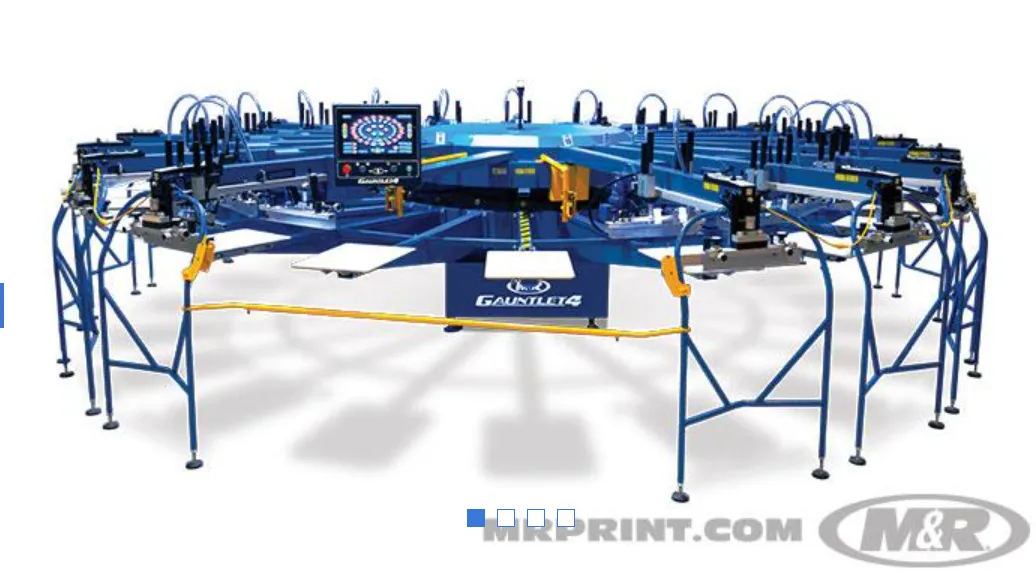

Is your team starting to automatic screen printer outgrow manual production?
That shift usually feels exciting at first. Then the delays show up. Jobs stack up, setup takes longer, and repeat orders become harder to manage with the same speed and consistency.
This post breaks down what growing teams should look for before investing in an automatic screen printer.
It covers production goals, workflow fit, floor planning, training needs, and long-term value, so buyers can make a smart decision without getting distracted by features that sound impressive but solve the wrong problem.
Why does growth change the way teams should buy equipment?
A growing print team cannot buy the same way a startup does. Early on, low overhead often matters most. Later, consistency, throughput, labor efficiency, and scheduling pressure start to matter more. That is where many teams get stuck. They shop by price first, then realize the machine does not fit their real production needs.
A better buying process starts with a daily workflow:
- How many jobs move through the shop each day?
- How often do operators stop to adjust settings?
- How much time gets lost between setups?
Those answers reveal more than a spec sheet ever can. In many cases, the right machine is not the fastest model on paper. Instead, it is the one that helps the team reduce setup delay, hold quality across runs, and keep jobs moving without constant intervention.
That is why a growing team should define success before comparing models. Some shops need higher output. Others need easier repeatability. Some need more color capacity. Others need better use of the limited floor space. Clear goals lead to better buying decisions.
The signals that your team is ready to move beyond manual limits
Many teams wait too long before upgrading. They assume they need more staff when they really need better production flow. That delay creates hidden costs. Operators get tired. Reprints increase. Turnaround times become harder to promise. Small inefficiencies turn into daily pressure points.
Several signs often point toward the need for automation.
- Repeat jobs start consuming too much setup time.
- Order volume grows, but output stays flat.
- Team struggles to keep print quality consistent across longer runs.
- Supervisors spend too much time solving workflow bottlenecks instead of planning growth.
An upgrade also becomes timely when the business wants to pursue larger clients. Bigger orders demand stable production. They also demand reliable timelines. In that situation, an automatic screen printer becomes more than a machine purchase.
It becomes a production strategy. It helps teams reduce variation, improve pacing, and create a workflow that supports growth rather than fighting it.
That said, timing still matters. A shop should not upgrade only because automation sounds impressive. It should upgrade when the current process blocks service quality, team efficiency, or future revenue opportunities.
What buyers should compare first before looking at speed claims
Buyers often focus on headline speed. That makes sense on the surface. Faster output sounds like an obvious value. Still, speed alone rarely tells the whole story. A machine that prints quickly but slows the team during setup, loading, unloading, or maintenance can create a weaker result overall.
- Start with print repeatability. A growing team needs stable output from the first garment to the last.
- Next, assess setup simplicity. A machine with easier adjustments can save time every day, not just on large jobs.
- Then review the footprint and layout fit. Even strong equipment can create problems if it disrupts movement across the shop.
Training requirements matter too. Some systems need a more experienced operator. Others support faster onboarding. That difference affects labor planning. Parts access, service support, and maintenance intervals also deserve attention. These factors shape uptime, and uptime shapes profitability.
Here is a simple comparison table buyers can use during evaluation:
| Buying Factor | Why It Matters for Growing Teams | What to Check |
| Setup efficiency | Reduces lost time between jobs | Tool-free adjustments, intuitive controls |
| Print consistency | Protects quality across runs | Registration stability, repeatable settings |
| Footprint | Keeps workflow practical | Space for loading, unloading, and maintenance |
| Training curve | Speeds operator readiness | Ease of controls, documentation, and support |
| Serviceability | Reduces downtime risk | Parts access, support network, maintenance plan |
| Expansion potential | Supports future demand | Color/station options, workflow compatibility |
This kind of comparison gives buyers a clearer path. It shifts the focus from flashy promises to practical value.
How do production goals, staffing, and layout affect the right choice?
The best equipment choice always depends on the shop behind it. A team with limited floor space should not shop the same way a larger facility does. A shop with strong operators may want deeper control. A team that hires frequently may need easier training and simpler day-to-day use.
Production goals come first. A shop focused on short runs may value quick setups more than top-end output. A shop handling repeat wholesale work may prioritize consistency and long-run stability. Staffing also changes the equation.
Automatic screen printer
If one operator often handles multiple production tasks, ease of use becomes more important. If the shop runs with specialized roles, more advanced controls may make sense.
Layout matters just as much. Equipment should support motion, not interrupt it. Teams need room for garment staging, unloading, curing flow, and maintenance access. Poor placement can cancel out machine benefits. That is why many experienced buyers review the shop layout before final selection.
Buying for long-term workflow, not just today’s order volume
Growing teams often make one key mistake. They buy only for current demand. That feels safe, but it usually creates another bottleneck sooner than expected. Smart buyers think one stage ahead. They ask what the shop will need after the next wave of growth, not just what feels comfortable now.
That does not mean overspending. It means buying with a clear expansion path.
- Can the equipment handle more complex jobs?
- Will it support steadier schedules during busy periods?
- Can it grow with surrounding systems, including curing, pre-press, and finishing workflows?
Those questions matter because production does not happen in isolation.
A strong purchase should also improve team confidence. Operators should feel more in control, not more overwhelmed. Supervisors should spend less time fixing small process issues. Customers should notice stronger consistency and better reliability. When those outcomes start showing up together, the investment begins making sense across the whole business.
Seen that way, an automatic screen printer should support more than output. It should help build a smoother, more predictable production environment. That is what growing teams actually need.
Conclusion
Buying production equipment gets easier when the team stops chasing claims and starts defining needs. Growing shops need equipment that supports repeatability, smoother setups, better workflow, and room to expand. That means looking closely at staffing, layout, training, serviceability, and long-term production goals before making a final choice.
The strongest decision usually comes from understanding how the machine will function inside the shop, not just how it looks on a spec sheet. Product collections from established textile printing equipment suppliers can help buyers compare presses, dryers, and support systems in a more practical way.
Use that broader view, ask sharper questions, and evaluate every option against daily workflow. Then move forward with a buying decision that supports real growth, not short-term excitement.

























Sign in to leave a comment.