

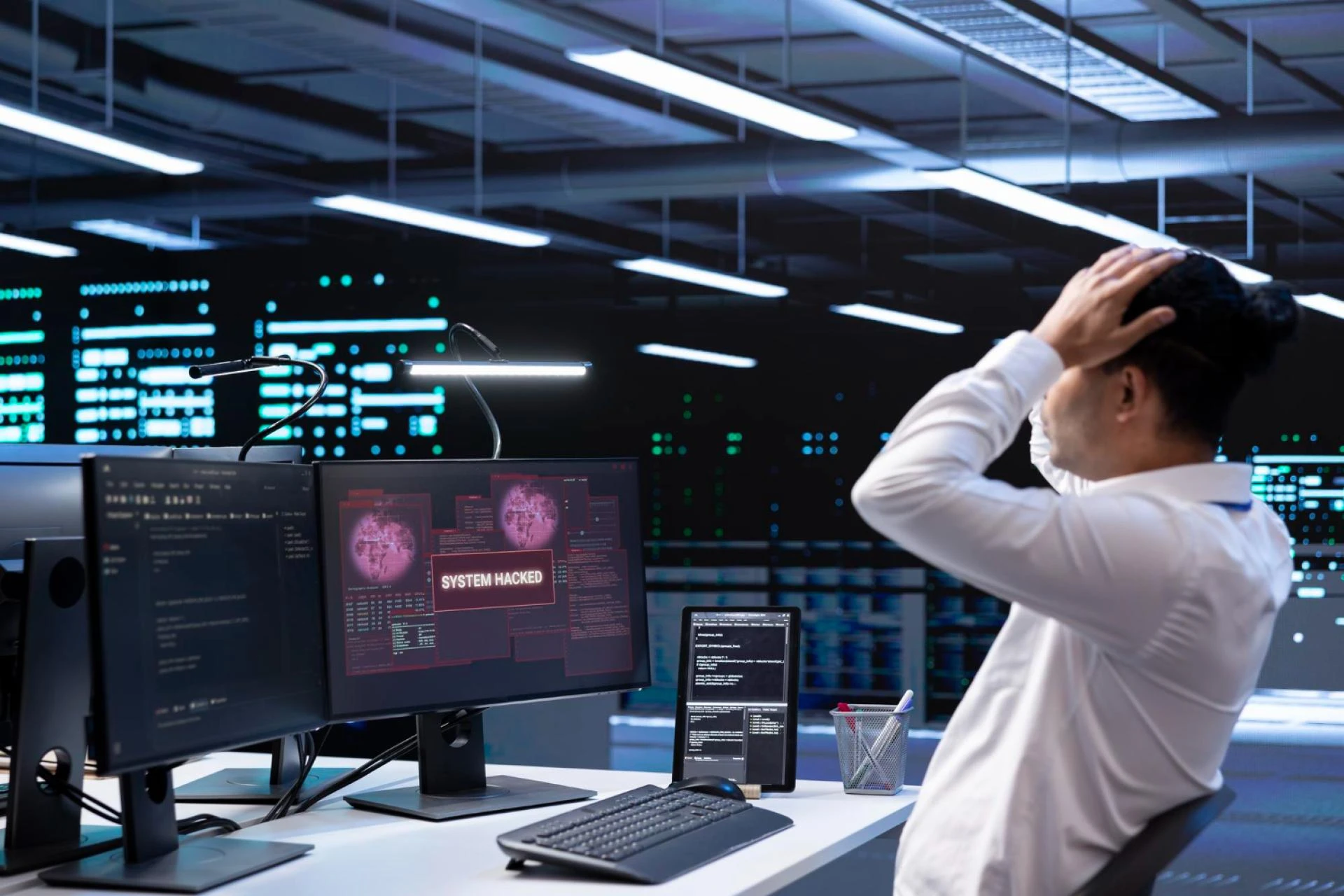
In the modern digital landscape, cyber threats are no longer isolated or predictable—they evolve continuously, adapting faster than traditional security defenses can respond. For enterprises in the USA, this rapid pace presents a stark reality: human teams alone cannot keep up. Despite growing security budgets and skilled analysts, the volume, complexity, and sophistication of attacks now outstrip the capabilities of manual detection and response.
This is why automation in cybersecurity is no longer optional—it is essential. From threat detection to response orchestration, automated systems augment human capability, ensuring organizations can react in real time to incidents that would overwhelm even the most seasoned security teams.
The Speed and Sophistication of Modern Threats
Today’s cyber adversaries leverage automation themselves. Malware spreads through networks at machine speed, phishing campaigns target thousands of users simultaneously, and AI-driven tools identify vulnerabilities faster than manual scanning. Consider ransomware attacks: attackers can encrypt hundreds of endpoints in minutes, often before humans can recognize the initial breach.
Additionally, multi-stage attacks often unfold across endpoints, cloud environments, and applications simultaneously. Detecting these subtle, distributed threats requires correlating vast amounts of data—a task far beyond human capacity. The result is a widening gap between the speed of attacks and the speed of traditional, manual defense.
Why Human-Only Security Teams Fall Short
Even the most experienced analysts face limitations:
- Alert Overload: Security teams are inundated with thousands of alerts daily. Without automation, distinguishing between false positives and genuine threats is slow and error-prone.
- Fatigue and Burnout: Analysts working extended hours may miss critical signals, leading to delayed detection and response.
- Complex Correlation Requirements: Sophisticated attacks often leave minimal traces across multiple systems. Humans alone struggle to connect the dots quickly enough to prevent damage.
- Response Lag: Manual incident response takes time—time that attackers exploit to escalate breaches, move laterally, or exfiltrate sensitive data.
While skilled human oversight is invaluable, relying solely on manual processes creates a bottleneck that modern cyber adversaries exploit.
Automation: Extending Human Capability
Automation does not replace human analysts—it empowers them. By handling repetitive, time-sensitive tasks, automated systems free security teams to focus on strategic decision-making, threat hunting, and incident response planning. Key areas where automation delivers measurable impact include:
- Automated Detection and Alert Prioritization
- Machine learning and rule-based engines can process thousands of events in real time, flagging only the most critical threats. This reduces noise, prevents alert fatigue, and ensures analysts focus on genuine incidents.
- Threat Intelligence Integration
- Automated systems can ingest global threat intelligence feeds and correlate them with local activity, providing early warnings and predictive insights that humans alone cannot compile at scale.
- Incident Response Orchestration
- Automation enables rapid containment actions—isolating compromised endpoints, blocking malicious IPs, or enforcing policy changes—often before human intervention is needed.
- Continuous Monitoring and Analysis
- Automated monitoring ensures 24/7 oversight of enterprise networks, cloud workloads, and endpoints, something nearly impossible for human teams to sustain without gaps.
Why Automation is Critical for USA Enterprises
In the United States, enterprises face high-stakes regulatory environments and intense cyber threats. Data breaches can lead to reputational damage, financial penalties, and compliance violations under frameworks like HIPAA, PCI DSS, and state-level privacy laws. The volume and sophistication of attacks demand a proactive, automated approach:
- Rapid Detection Reduces Business Impact: Automated alert correlation and containment prevent small incidents from escalating into major breaches.
- Cost Efficiency: Automation reduces operational overhead, allowing security teams to achieve more with fewer resources.
- Scalable Security Operations: Enterprises can secure growing digital environments—cloud workloads, IoT devices, and remote endpoints—without exponentially increasing headcount.
In short, automation transforms security from a reactive, human-limited function into a proactive, resilient capability capable of keeping pace with modern threats.
How NewEvol Enables Intelligent Automation
At NewEvol, we design platforms that integrate automation into enterprise security operations. Our solutions:
- Aggregate and normalize data from endpoints, networks, and cloud workloads.
- Prioritize alerts intelligently using machine learning and contextual analysis.
- Orchestrate incident response workflows, ensuring rapid containment and mitigation.
- Provide analysts with actionable insights, enhancing human decision-making rather than replacing it.
By combining automation with expert oversight, NewEvol empowers USA enterprises to operate resilient SOCs capable of addressing today’s fast-moving threats while remaining adaptable for tomorrow.
Final Thoughts
Cyber threats now move at machine speed, outpacing human response. While skilled analysts remain indispensable, manual security processes alone are no longer sufficient. Automation is the bridge between modern threats and enterprise resilience, providing real-time detection, intelligent alert prioritization, and rapid response capabilities that human teams cannot achieve alone.
For USA enterprises, the message is clear: automation is not optional—it is essential. By embracing intelligent, integrated security automation, organizations can stay ahead of adversaries, protect sensitive data, and ensure business continuity in an increasingly hostile digital landscape.

























Sign in to leave a comment.