Introduction
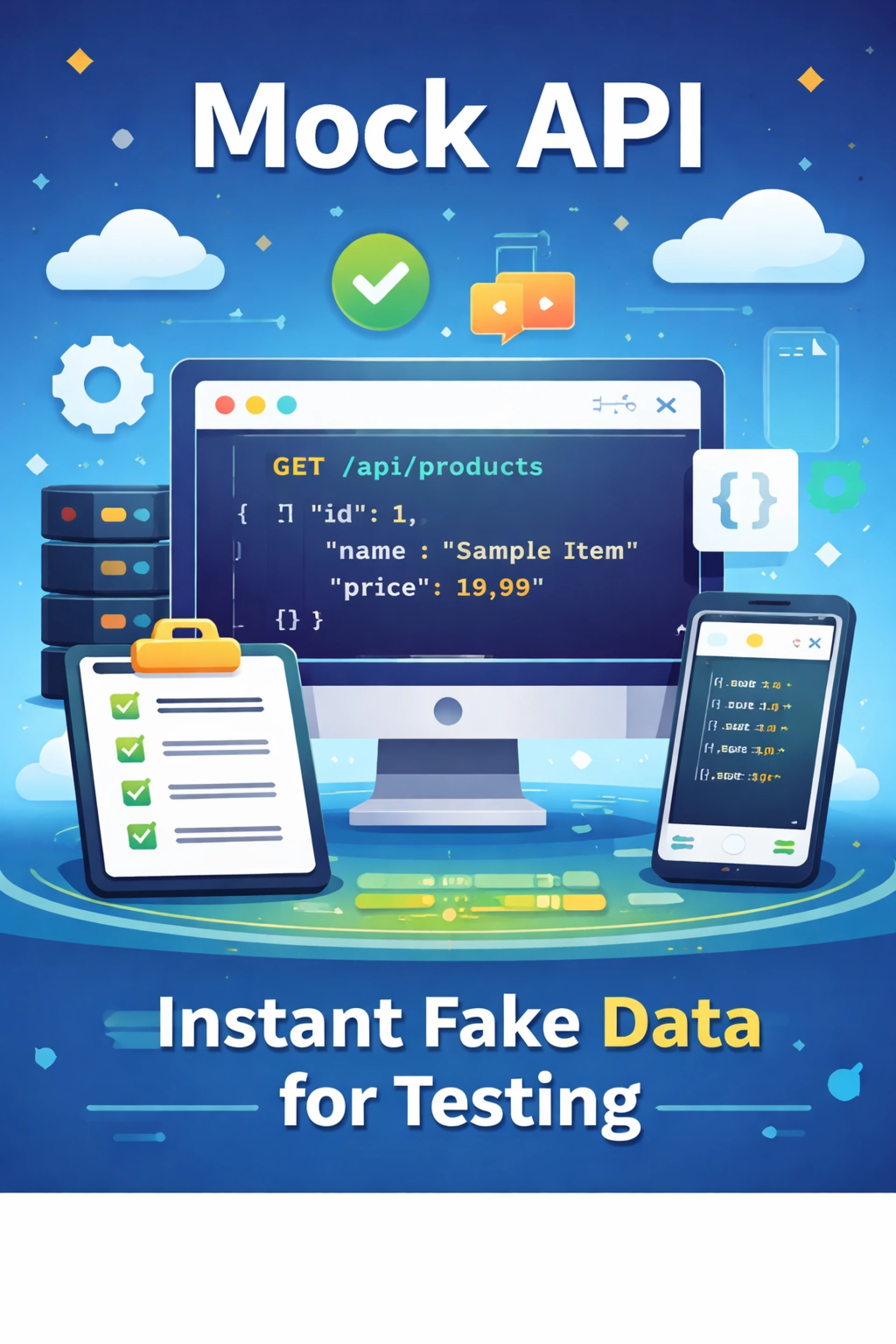
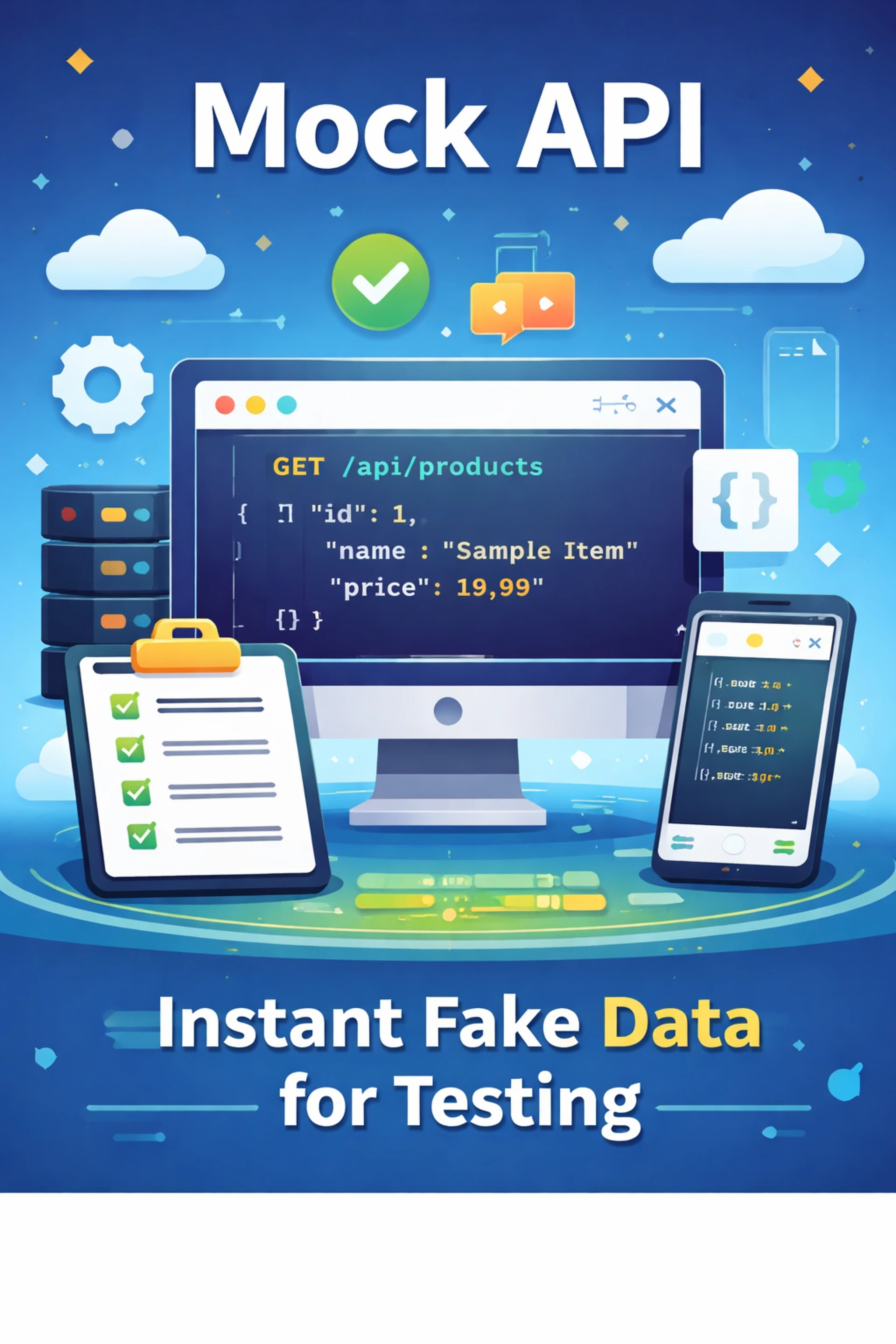
Mock APIs are powerful tools for development and testing, but improper usage can lead to delays, integration errors, and faulty UI behavior. Avoiding common mistakes ensures smooth workflows and seamless transition to production APIs.
Common Mistakes and How to Avoid Them
1. Using Mock APIs That Don’t Match Real API Contracts
- Ensure field names, data types, and structures match production API.
- Update mock API as backend evolves.
- Use AI API Generator to maintain consistency.
2. Over-Simplifying Test Data
- Avoid static, repetitive values.
- Include realistic variations and nested data.
- Use pagination mock API to simulate large datasets.
3. Ignoring Error Scenarios
- Test various HTTP responses (400, 401, 404, 500).
- Simulate network delays and timeouts.
- Validate error handling in UI components.
4. Not Updating Mocks Regularly
- Align mock endpoints with evolving requirements.
- Keep datasets current for accurate testing.
- Leverage AI API Generator for automatic updates.
5. Testing Only the Happy Path
- Include edge cases, empty responses, and invalid input.
- Ensure all components behave correctly under failure conditions.
6. Skipping Pagination Testing
- Use pagination mock API to validate large lists and feeds.
- Test infinite scroll, sorting, and filtering functionality.
Best Practices
- Maintain synchronization with backend API contracts.
- Use AI tools for dynamic, realistic data.
- Include error and edge case testing.
- Implement pagination and filtering in mock endpoints.
- Regularly review and update mock APIs.
Conclusion
Avoiding common mistakes while using API mock servers ensures smoother development, testing, and deployment. By leveraging Instant API Generator, AI API Generator, JSON Placeholder, and pagination mock API, teams can maximize efficiency and minimize errors, ensuring high-quality software delivery.





















Sign in to leave a comment.