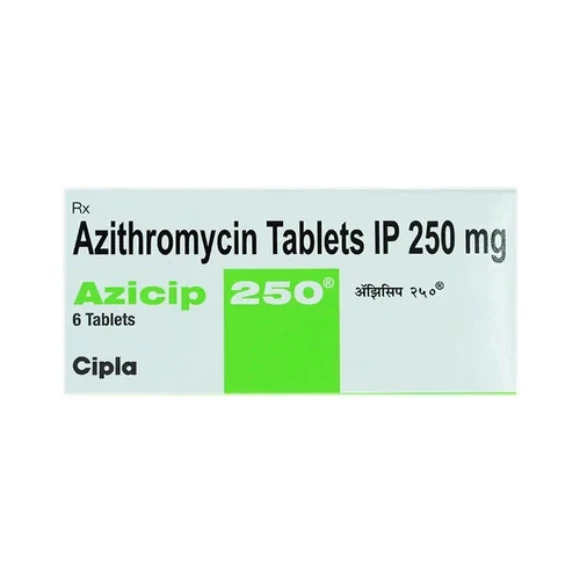
Azicip is a commonly prescribed antibiotic that contains Azithromycin, a macrolide-class medicine used to treat a wide range of bacterial infections. It is effective against respiratory infections, skin infections, ear infections, and sexually transmitted diseases. Azicip works by stopping the growth of bacteria, helping the body fight the infection naturally.
This guide explains how Azicip works, its major variants, and how to use it safely and effectively.
What Is Azicip?
Azicip is an antibiotic medicine that fights bacterial infections. It does not work for viral infections such as colds or flu. The medication is prescribed when an infection is caused by bacteria sensitive to Azithromycin — its main ingredient.
Doctors commonly recommend Azicip for:
- Throat and tonsil infections
- Bronchitis and pneumonia
- Sinus infections
- Skin and soft tissue infections
- Ear infections (otitis media)
- Certain sexually transmitted infections (like chlamydia)
By preventing bacteria from producing essential proteins, Azicip stops bacterial growth and helps your immune system clear the infection.
Available Dosages of Azicip
Azicip is available in multiple strengths. The most common are 250 mg and 500 mg tablets, prescribed depending on the severity of infection and patient needs.
✅ Azicip 250 mg
Azicip 250 mg is a lower-strength version suitable for mild to moderate bacterial infections. It’s often prescribed for:
- Throat infections (pharyngitis, tonsillitis)
- Sinusitis
- Mild respiratory infections
- Skin or soft tissue infections
How to take it:
- Usually taken once daily, as directed by your doctor.
- Swallow it whole with water, before or after food.
- Complete the full prescribed course even if you feel better early, to prevent relapse or resistance.
This dose is ideal when the infection is not severe and can be managed with a lower antibiotic strength.
✅ Azicip 500 Tablet Uses
Azicip 500 mg is a higher-strength formulation used for moderate to severe infections, especially when a stronger antibacterial action is required.
It is widely used to treat:
- Bronchitis or bacterial pneumonia
- Severe throat and sinus infections
- Urinary and reproductive tract infections
- Certain skin infections
Dosage and administration:
- One tablet daily for 3–5 days (depending on infection type).
- Take at the same time each day for best results.
- Avoid skipping doses, as it can lead to antibiotic resistance.
Always follow your doctor’s guidance on duration and dosage, as it varies based on infection and individual health.
How Azicip Works
Azicip’s active compound, Azithromycin, targets the protein-synthesis system of bacteria.
It binds to bacterial ribosomes, preventing them from producing proteins needed for growth and replication.
Without these proteins, the bacteria cannot multiply — eventually dying off naturally.
Because of its long half-life, Azicip stays active in the body for an extended period, allowing for once-a-day dosing, which makes it easier for patients to complete the full course.
Benefits of Azicip
- Broad-spectrum coverage – Works against many bacterial strains.
- Convenient once-daily dose – Easier to follow than other antibiotics requiring multiple doses per day.
- Fast action – Starts reducing symptoms within 24–48 hours of the first dose.
- Fewer side effects – Compared to other antibiotics, it’s generally well tolerated.
These advantages make Azicip a popular and trusted antibiotic among healthcare providers worldwide.
Possible Side Effects
While most people tolerate Azicip well, some may experience mild side effects like:
- Nausea or vomiting
- Stomach pain or diarrhea
- Headache or dizziness
- Temporary loss of appetite
Rarely, serious side effects such as allergic rash, irregular heartbeat, or liver issues may occur. Seek medical help immediately if you notice severe reactions like swelling, difficulty breathing, or jaundice (yellowing of skin or eyes).
Precautions and Warnings
- Allergies: Avoid Azicip if allergic to Azithromycin or other macrolide antibiotics.
- Liver or kidney disease: Inform your doctor, as dose adjustments may be needed.
- Heart problems: Patients with arrhythmias should use Azicip cautiously.
- Pregnancy or breastfeeding: Use only under medical supervision.
- Drug interactions: Azicip can interact with medications like warfarin, digoxin, and antacids—so always share your full medication list with your doctor.
Key Tips for Best Results
- Take the medication at the same time each day.
- Avoid skipping doses or stopping early.
- Do not self-medicate or reuse leftover antibiotics.
- Drink plenty of water and rest well.
- Avoid taking Azicip with heavy meals or alcohol.
Conclusion
Azicip is a trusted antibiotic designed to treat a variety of bacterial infections efficiently. Whether your doctor prescribes Azicip 250 mg for mild infections or Azicip 500 tablet for more severe cases, both work effectively to eliminate harmful bacteria and restore health.
Always take it under medical supervision, follow the prescribed course, and never skip doses. When used correctly, Azicip ensures quick recovery and helps prevent the spread of bacterial resistance.





























Sign in to leave a comment.