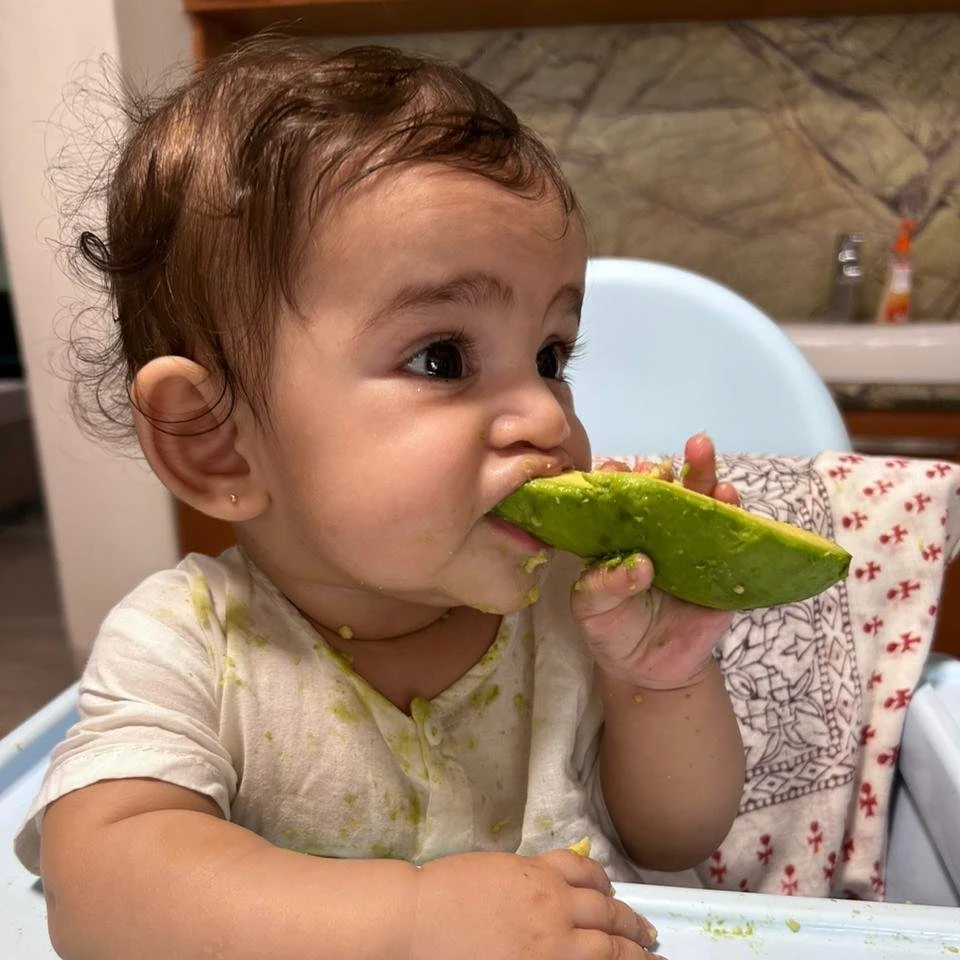

The introduction of your baby's first solid food becomes one highly anticipated moment; as months go with the development of your child, nutritional needs change.
When to Introduce Baby's First Solid Food
Always look out for these readiness signs:
● Sitting up with little support.
● Showing interest in your food during mealtime.
● Ability to hold their head steady.
What to Feed My Baby: First Foods to Introduce
Single-Grain Cereals
Rice cereal or oatmeal is often chosen as the baby first solid food because these are iron-fortified and gentle on the tummy. Mix the cereal with breast milk or formula to be smooth.
Protein-Rich Foods
At about 7-8 months, you can introduce pureed chicken, turkey, or lentils as proteins. The essential amino acids in these foods help the muscles and brain.
Dairy Products
Full-fat yogurt can be a wonderful early food, rich in calcium and probiotics. Avoid cow’s milk as a drink until your baby turns one year old.
Tips for a Safe Transition to Solids
1. Follow the “4-Day Rule”
Introduce one new food at a time and wait for four days before offering another.
2. Avoid Salt and Sugar
Such additives are not needed for babies and introduce salt or sugar to the foods they consume. These may burden the kidneys and result in improper eating habits as well.
3. Variability in text
Begin with purees and gradually introduce thicker textures as your baby develops chewing skills. By 9-12 months, your baby may be ready for finger foods such as small pieces of soft fruits or cooked vegetables.
4. Maintain good hygiene
Wash your hands, utensils, and feeding bowls thoroughly. This will ensure that harmful bacteria are reduced in your baby's diet.
5. Be Patient
Babies may refuse new foods in the first instance. Feed your baby the same food several times and at different times, for it might take up to 10 attempts for your baby to accept a new flavor.
Foods to Avoid in the First Year
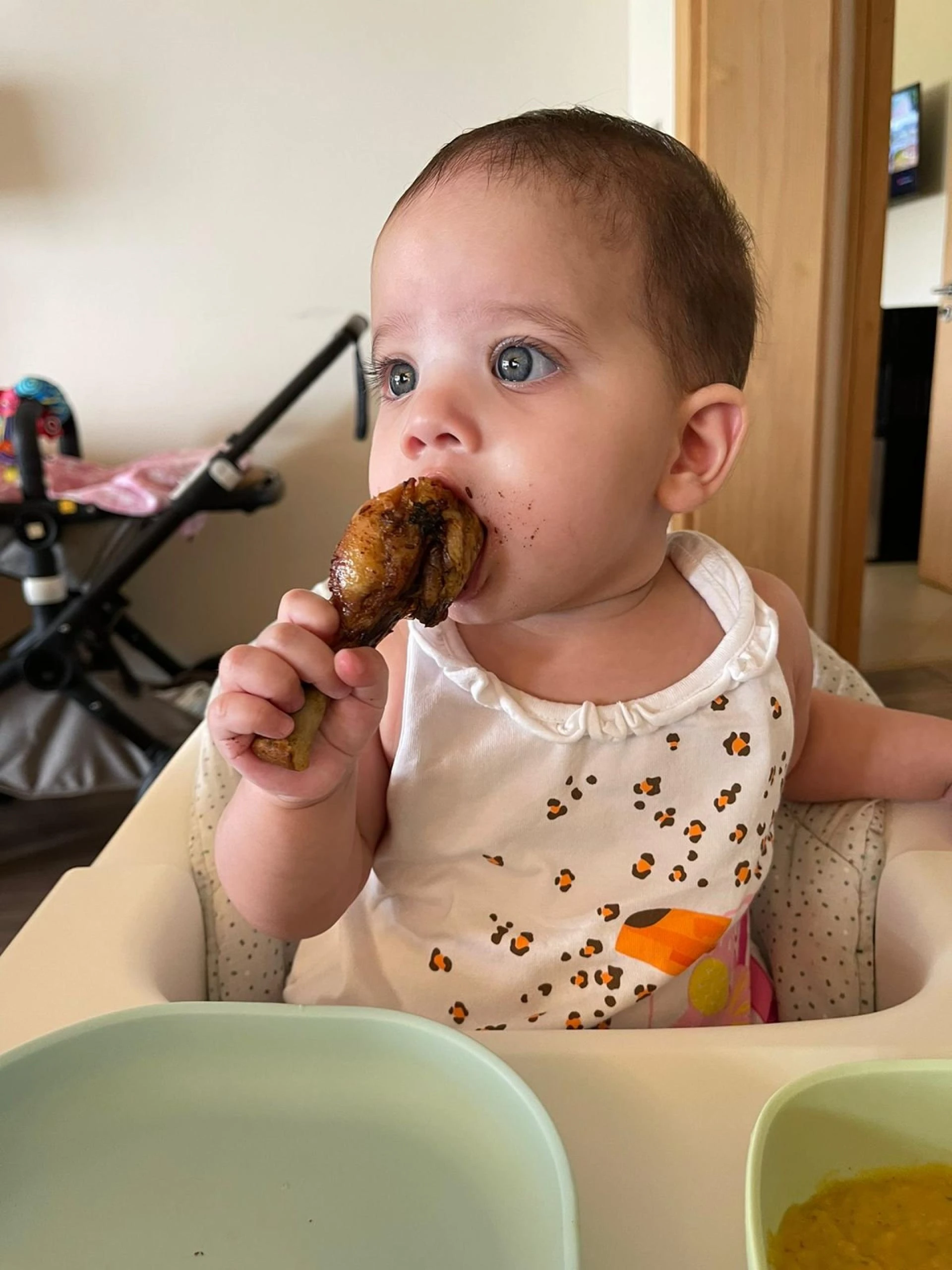
Introduce your baby to the world of first baby solid food by avoiding the following items to keep him or her safe:
● Honey: Causes infant botulism
● Whole Nuts: Choking hazard
● Cow's Milk: Tough to digest before one year
● Raw or Undercooked Eggs: Risk of salmonella
● Processed Foods: Unnecessary additives and preservatives
How to Make Meal Time Fun
● Sit the baby in a high chair that supports him or her appropriately.
● Colorful bowls and spoons to get the baby interested.
● Eat together as a family, so your baby will learn to mimic your eating habits.
This stage is more of exploration and learning. Never try to force your baby to consume a certain amount of food; instead, let them guide you.
Final Words
Introducing babies to solid foods is a discovery with so much glee involved. With emphasis on simple and nutritious intake, you're going to make sure that your little one has a healthy beginning as a lifetime to good eating habits. For any instance that prompts me to feed my baby, seek consultation from a pediatrician.
Enjoy this great milestone, and watch your baby grow with every step taken with good health.

























Sign in to leave a comment.