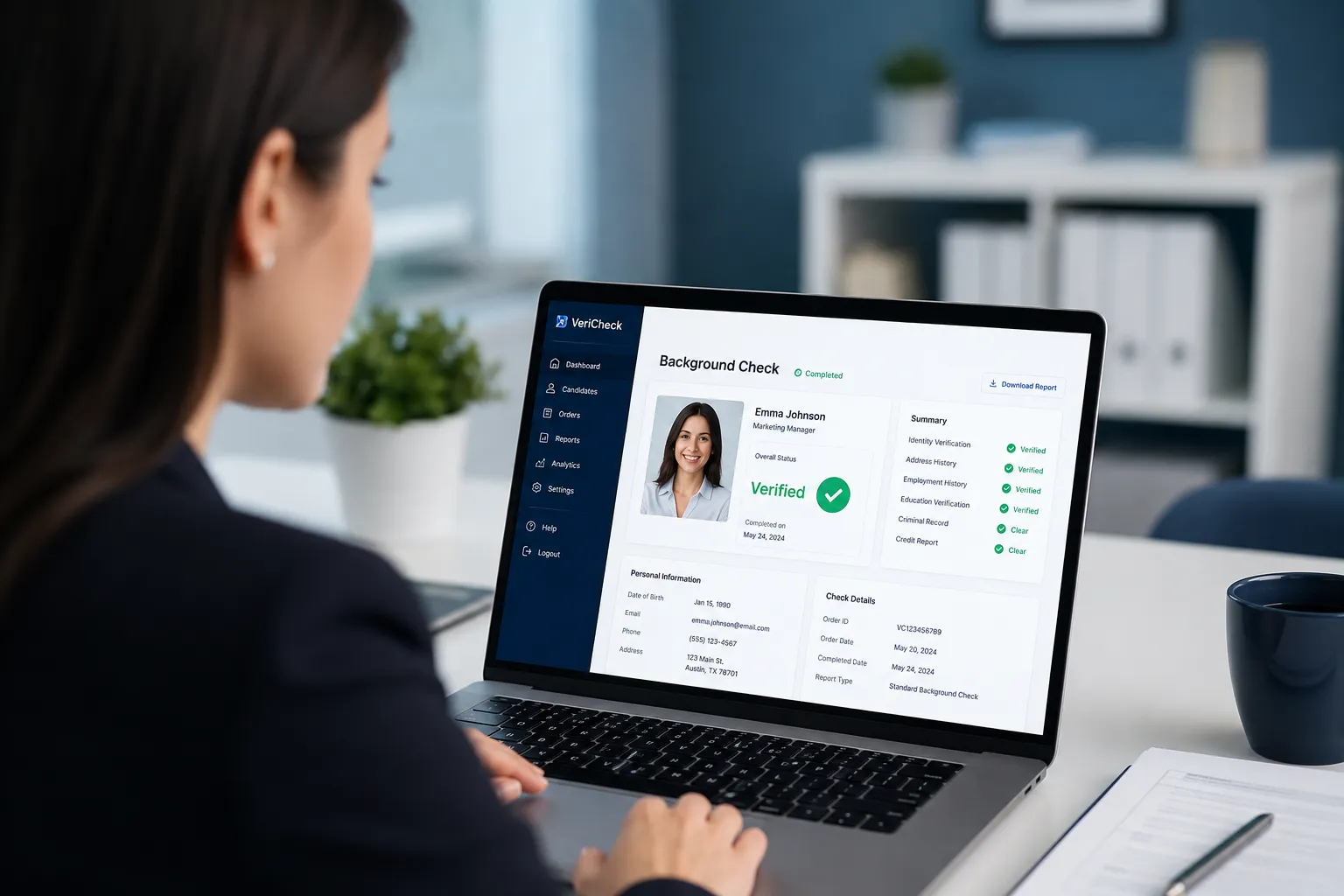

Nearly all employers now run some form of screening before they make an offer. A 2023 PBSA and SHRM industry survey found that 96 percent of organizations conduct background checks, and that number has only grown as remote hiring and gig work expand. Manual screening cannot keep pace with that volume.
This is where background verification software comes in. Modern platforms combine automated record pulls, identity verification technology, and facial recognition verification to compress a process that used to take weeks into a matter of days. This guide breaks down how the technology works, what it checks, and where organizations still need to apply human judgment.
What Is Background Verification Software and How Does It Work?
Background verification software is a platform that automates the collection and validation of a candidate's criminal, employment, education, and identity records. Instead of an HR team manually contacting past employers or searching court databases one by one, the software pulls from connected data sources and returns a structured report.
Most platforms are cloud based, which now accounts for roughly 64 percent of deployments, according to recent market research. Cloud delivery lets recruiters run checks from any device, track status in real time, and store results in an encrypted, audit ready format.
Core Data Sources
| Check Type | What It Confirms |
| Criminal record search | County, state, and federal court records tied to the candidate |
| Employment verification | Dates, titles, and employers listed on a resume |
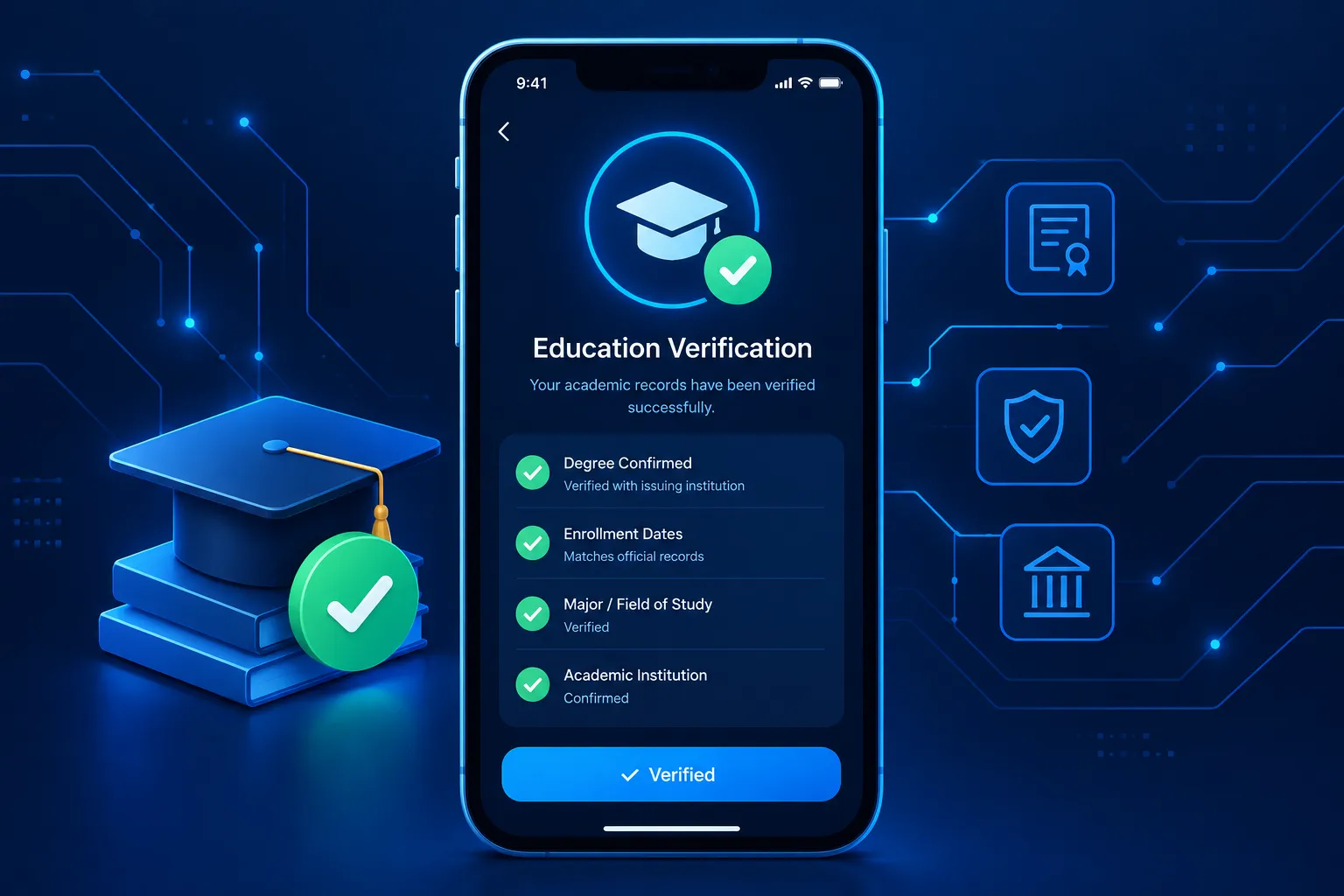
| Education verification | Degrees, certifications, and institutions attended |
| Identity and biometric check | Government ID authenticity and a live facial match |
How Does Identity Verification Technology Improve Hiring Accuracy?
Resume fraud and stolen identities are a growing problem for distributed and remote hiring. Identity verification technology addresses this by cross checking a government issued ID against government databases and confirming the document has not been altered or reused.
This step matters most for remote roles, where a recruiter never meets the candidate in person. Instead of relying on a scanned photo alone, the system checks document security features, expiration data, and format consistency, flagging mismatches before an offer goes out.
The trade off is friction. Candidates must upload a clear photo of a valid ID, and false rejections can occur if the image quality is poor or the document is damaged. Giving candidates a retry option and a human review path keeps the process fair without weakening security.
What Role Does Facial Recognition Verification Play in Screening?
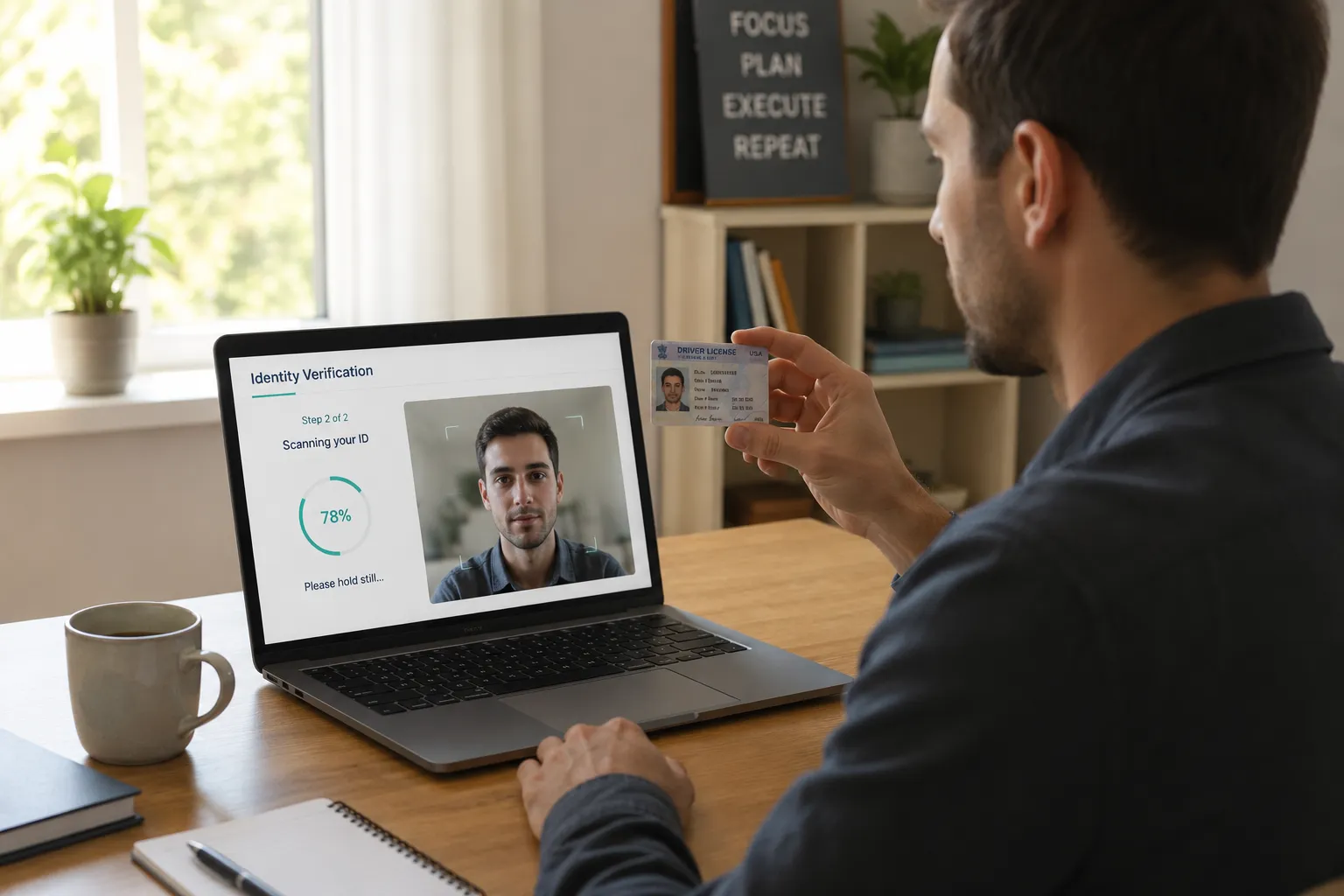
Once an ID is validated, many platforms add a live selfie step. Facial recognition verification compares that live capture against the photo on the submitted ID using biometric algorithms, confirming the person applying is the same person the document belongs to.
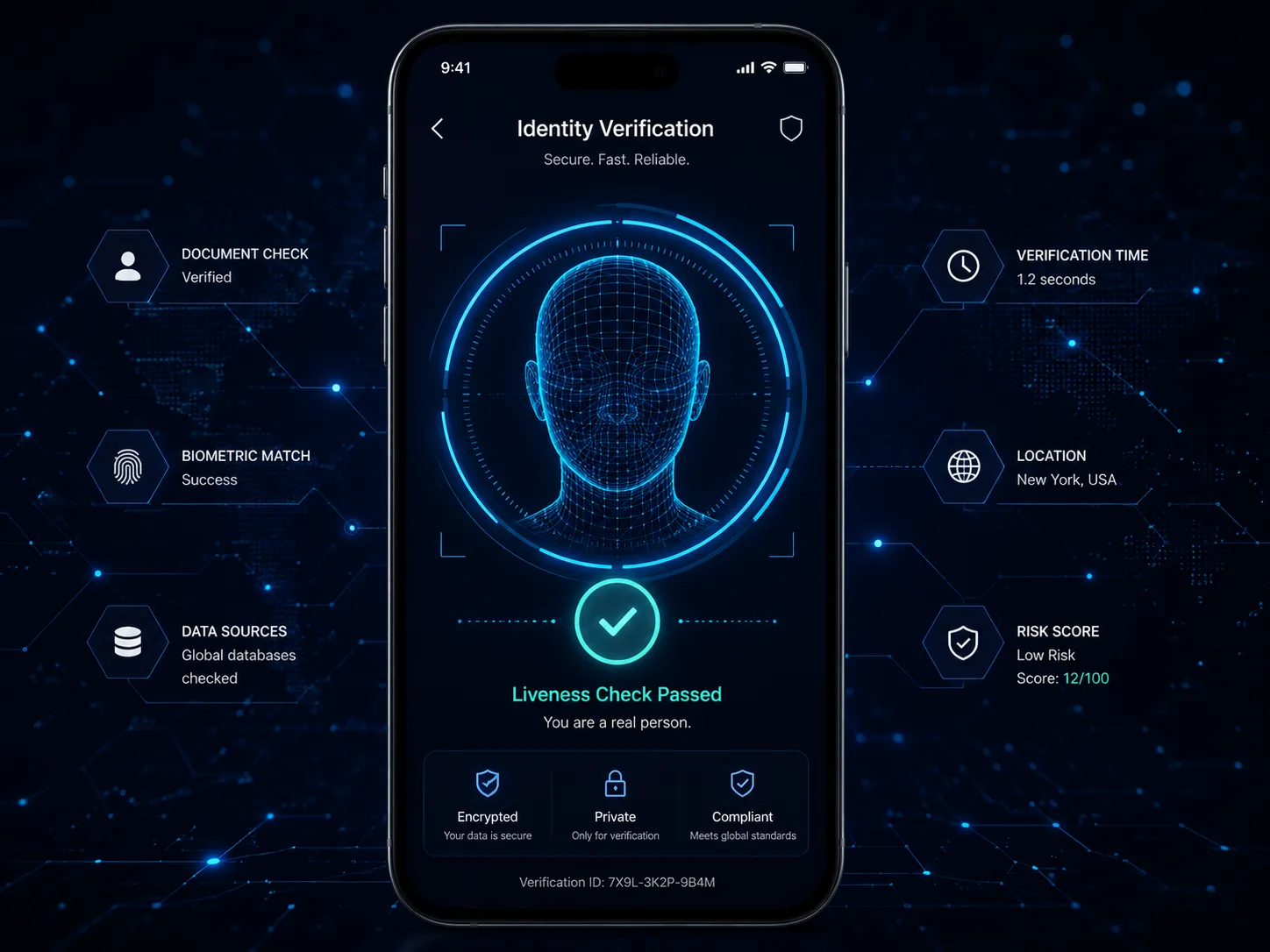
This liveness check also catches deepfakes and photo masks, a growing concern as generative tools make static image fraud easier to produce. A liveness prompt, such as asking the candidate to blink or turn their head, confirms a real person is present rather than a photo held up to the camera.
Accuracy rates for well built facial matching systems are high, but no system is perfect. Employers should treat a failed match as a prompt for manual review, not an automatic rejection, since lighting, camera quality, and appearance changes can all affect a single scan.
How Does a Candidate Background Check Work Step by Step?
A typical candidate background check moves through a consistent sequence, regardless of which platform runs it.
- The candidate receives a consent request and enters basic identifying details.
- The system verifies identity through document and facial matching.
- Automated searches run against criminal, employment, and education databases.
- Any inconsistent or incomplete result is routed for human review.
- A compiled report is delivered to the employer through a secure dashboard.
Fully automated checks that hit no red flags can now finish in a matter of hours. Reports that require manual court record retrieval or reference calls still take longer, often three to five business days, down from the fifteen to thirty days a manual process typically required.
Why Do Companies Rely on Background Check for Hiring Today?
Employers run a background check for hiring for three main reasons: reducing negligent hiring liability, meeting industry specific regulatory requirements, and protecting workplace safety.
Consider a mid size healthcare staffing firm bringing on 40 contract nurses a month. Manually verifying licenses, employment history, and identity for each hire created a two week bottleneck and left compliance gaps when references were slow to respond. After moving to an automated platform, the firm cut its average screening time to under three days and reduced the manual workload on its HR team significantly.
According to SHRM's most recent industry survey, roughly 92 percent of employers now run background checks for at least some roles, and that share climbs higher in regulated sectors such as healthcare, finance, and transportation.
Where Human Judgment Still Matters
Software speeds up data collection, but it does not replace policy decisions. Employers still need clear, written adjudication criteria for how a criminal record or an employment gap affects a hiring decision, and those criteria need to be applied consistently to avoid discrimination claims. Automation removes manual bottlenecks. It does not remove the responsibility to apply fair, documented standards to every result.
Frequently Asked Questions
How long does background verification software take to return results?
Straightforward checks with no flagged records often complete within hours. Checks requiring manual court retrieval or reference calls typically take three to five business days.
Is facial recognition verification accurate enough to rely on?
Modern biometric matching is highly accurate under good lighting and image quality, but employers should route failed matches to manual review rather than treating them as automatic disqualifications.
What data does identity verification technology check?
It typically validates the authenticity of a government issued ID, checks the document against known security features, and matches a live selfie to the ID photo.
Do small businesses need background verification software or can they screen manually?
Manual screening is workable at very low hiring volume, but most small businesses adopt software once they hire regularly, since manual checks are slow and harder to keep compliant. Recent SHRM research shows background screening is now standard practice across organizations of every size.
Conclusion
Background verification software has moved from a nice to have to a standard part of hiring. Identity verification technology and facial recognition verification close the gaps that manual review used to miss, while automation turns a multi week process into a matter of days. The technology still needs clear policy and human oversight behind it, but for most organizations it is now the baseline for safe, compliant hiring.
Ready to see how VEVR handles background verification? Explore our services.





















Sign in to leave a comment.