
In the world of holistic wellness, Chinese herbal medicine stands out as a time-tested approach that emphasizes balance, harmony, and personalized treatment. Rooted in ancient philosophies and practices, Chinese herbal medicine offers a unique perspective on health and healing that has gained recognition and popularity worldwide. In this blog post, we’ll delve into five essential aspects of Chinese herbal medicine, shedding light on its concepts, forms, safety measures, and the importance of consulting qualified practitioners.
Unveiling the Yin & Yang of Chinese Herbs:Understanding Potency and Side Effects
Yin and Yang Balance: Central to Chinese medicine is the concept of Yin and Yang, representing opposing yet complementary forces in the universe and the human body. In terms of herbal medicine, herbs are classified as Yin or Yang based on their energetic properties. Yin herbs are cooling, moisturizing, and nourishing, while Yang herbs are warming, invigorating, and stimulating.
Choosing Herbs for Balance: When creating herbal formulas, practitioners aim to balance Yin and Yang energies within the body to promote overall health and wellness. For example, if someone has excess heat symptoms like inflammation or fever (Yang excess), they may be prescribed Yin herbs to cool and balance their system.
Side Effects and Safety: While Chinese herbs are generally considered safe when used correctly, it\'s crucial to work with a qualified herbalist or TCM practitioner. They can assess your individual constitution, diagnose imbalances, and tailor herbal formulas accordingly. Improper use or incorrect dosages of potent herbs can lead to side effects such as digestive disturbances, allergic reactions, or interactions with medications.
Brewing Up Wellness: Different Forms of Chinese Herbal Medicine and How to Use Them Safely
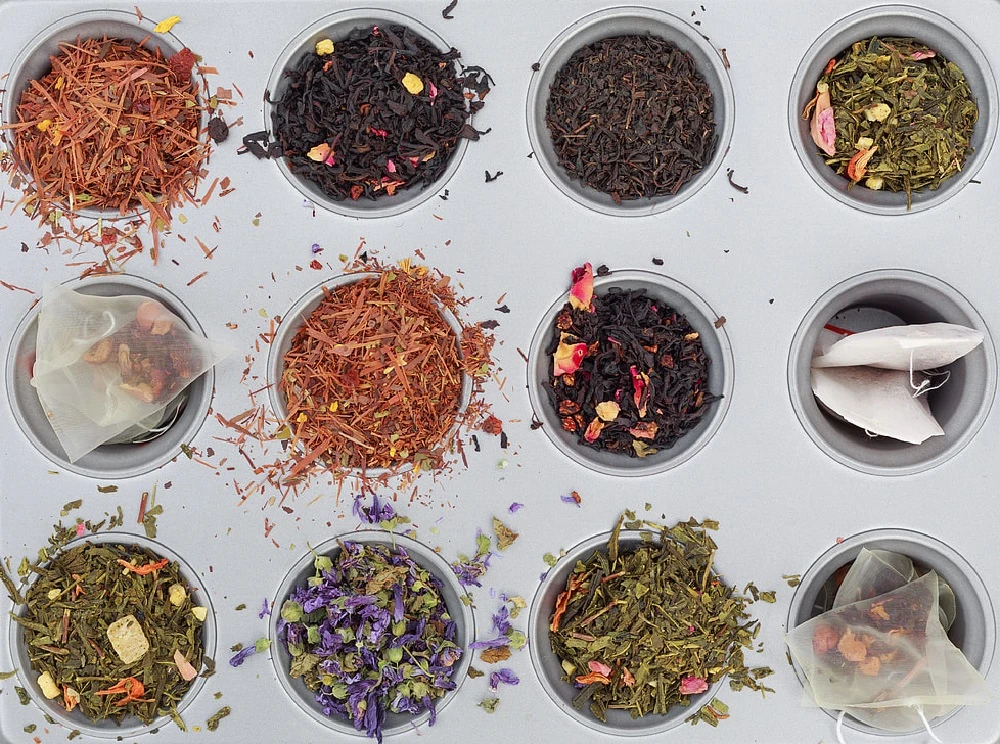
Forms of Chinese Herbal Medicine: Chinese herbs come in various forms, including teas, decoctions (boiled extracts), powders, and pills. Each form has its strengths and is suitable for different purposes or patient preferences. Teas are often used for mild conditions or as daily tonics, while decoctions offer concentrated therapeutic effects.
Safe Preparation and Consumption: To use Chinese herbal medicine safely, follow these guidelines:
- Consult a licensed herbalist or TCM practitioner for a personalized prescription.
- Purchase herbs from reputable sources to ensure quality and authenticity.
- Follow preparation instructions carefully, including proper dosages and brewing times.
- Monitor your body\'s response and report any adverse effects promptly.
Interactions and Disclosure: It\'s crucial to inform your healthcare providers about any herbal remedies or supplements you\'re taking, as they can interact with medications and affect treatment outcomes. Be transparent about your herbal regimen during doctor visits, surgeries, or when starting new medications.
Finding the Right Fit: Consulting a Traditional Chinese Medicine Practitioner for Personalized Herbal Therapy
Benefits of Consulting a Practitioner: A licensed TCM practitioner brings expertise in herbal medicine, acupuncture, and holistic diagnosis. They assess your overall health, including subtle signs like tongue appearance and pulse qualities, to identify underlying imbalances and create tailored treatment plans.
Initial Consultation Process: During your first visit, expect a comprehensive assessment that may include:
- Reviewing your medical history, symptoms, and lifestyle factors.
- Examination of your tongue’s color, coating, and shape for diagnostic insights.
- Pulse diagnosis, where the practitioner evaluates pulse qualities on both wrists to assess organ function and energy imbalances.
Tips for Finding a Reputable TCM Practitioner:
- Seek recommendations from trusted people, such as friends, family, and Healthcare professionals..
- Verify credentials and licensing to ensure the practitioner meets professional standards.
- Consider the practitioner’s experience, communication style, and compatibility with your healthcare goals.
By understanding the principles, forms, safety considerations, and importance of professional guidance in tcm herbs, you can make informed decisions about incorporating this ancient healing tradition into your wellness journey. Remember, balance and harmony are key, both in the herbs you consume and in your overall approach to health and well-being.
In conclusion, Chinese herbal medicine offers a time-tested approach to wellness and healing, rooted in centuries of tradition and wisdom. Its holistic principles emphasize balance and harmony within the body, aiming to address not just symptoms but underlying imbalances. Understanding the concepts of yin and yang, the importance of individualized treatment plans, and the synergy of herbal combinations are key aspects of this ancient practice. Incorporating Chinese herbal medicine into modern healthcare can provide complementary support, promoting overall well-being alongside conventional treatments. By embracing these five essential aspects, individuals can unlock the full potential of this rich healing tradition.




























Sign in to leave a comment.