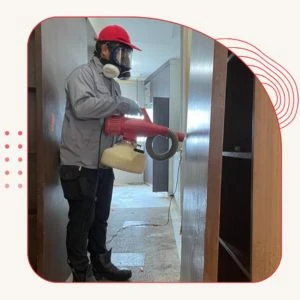

Bed bugs are among the most persistent household pests, and once they enter a home, they can be extremely difficult to remove. These tiny insects hide in cracks, furniture, mattresses, and fabrics, feeding on human blood while people sleep. Because bed bugs spread quickly and often go unnoticed in the early stages, prevention plays a critical role in avoiding costly and stressful infestations. Understanding how bed bugs enter homes and adopting proactive habits can significantly reduce the risk.
Understanding How Bed Bugs Spread
Bed bugs do not appear because of poor hygiene. They are excellent hitchhikers and often travel through luggage, clothing, second-hand furniture, and even visitors’ belongings. Hotels, public transport, shared accommodations, and offices can all act as transfer points. Once inside a home, bed bugs seek out warm hiding places close to where people rest, making bedrooms their primary target.
Because bed bugs reproduce rapidly, even a few insects can turn into a full infestation if preventive steps are not taken early.
Inspect Living Areas Regularly
Routine inspection is one of the most effective bed bug prevention strategies. Mattresses, bed frames, headboards, and nearby furniture should be checked periodically for signs such as dark spots, shed skins, or tiny eggs. Upholstered furniture, curtains, and carpets also deserve attention. Early detection makes control far easier and prevents the insects from spreading to other rooms.
Keep Bedrooms Clean and Clutter-Free
Clutter provides ideal hiding places for bed bugs. Items stored under beds, piles of clothes, and unused furniture create safe zones where bed bugs can hide undisturbed. Keeping bedrooms tidy and minimizing unnecessary storage reduces the number of places bed bugs can live and breed. A clean, organized room makes inspection easier and limits infestation risks.
Wash and Heat-Dry Fabrics Frequently
Regular laundering is a simple yet powerful preventive measure. Bed sheets, pillowcases, blankets, and frequently worn clothing should be washed using warm or hot water when possible. Drying items on high heat is especially important, as heat effectively kills bed bugs and their eggs. This habit is particularly important after travel or hosting overnight guests.
Use Mattress and Pillow Protectors
Protective covers designed for mattresses and pillows act as a barrier against bed bugs. These covers prevent insects from hiding inside mattress seams and make it easier to spot early signs of activity. Encasements also help trap any existing bed bugs, stopping them from spreading while monitoring continues.
Be Cautious When Traveling
Travel is one of the most common ways bed bugs are introduced into homes. While staying away, luggage should be kept off beds and floors. Clothing should remain inside bags or storage areas rather than placed on furniture. After returning home, travel bags should be inspected carefully, and clothes should be washed immediately. Taking these precautions can prevent bed bugs from entering living spaces unnoticed.
Inspect Second-Hand Furniture Carefully
Used furniture and mattresses are a major risk factor for bed bug infestations. Before bringing any second-hand items into the home, inspect seams, joints, and crevices thoroughly. Even clean-looking furniture may contain hidden eggs or insects. When possible, items should be cleaned or treated before use.
Seal Cracks and Gaps
Bed bugs hide in small spaces such as wall cracks, loose wallpaper, electrical outlets, and floor gaps. Sealing these openings reduces potential hiding spots and limits the movement of bed bugs throughout the home. Simple repairs and maintenance can make a big difference in long-term prevention.
Vacuum Regularly and Dispose Properly
Vacuuming floors, carpets, mattresses, and furniture helps remove stray bed bugs and eggs. Pay close attention to bed frames, skirting boards, and corners. After vacuuming, the contents should be sealed in a bag and disposed of immediately to prevent bugs from escaping back into the home.
Monitor and Act Quickly
Bed bug prevention is most effective when combined with fast action. If bites, stains, or other warning signs appear, immediate steps should be taken to confirm the problem. Delaying treatment allows bed bugs to spread and increases the difficulty of elimination. Professional inspection and treatment may be required when signs persist.
Final Thoughts
Preventing bed bugs requires awareness, consistency, and attention to detail. By maintaining cleanliness, inspecting living areas regularly, being cautious during travel, and addressing potential entry points, homeowners can greatly reduce the risk of infestation. Bed bug prevention not only protects physical comfort but also saves time, money, and stress. With the right habits in place, it is possible to keep your home safe, comfortable, and bed bug free.


























Sign in to leave a comment.