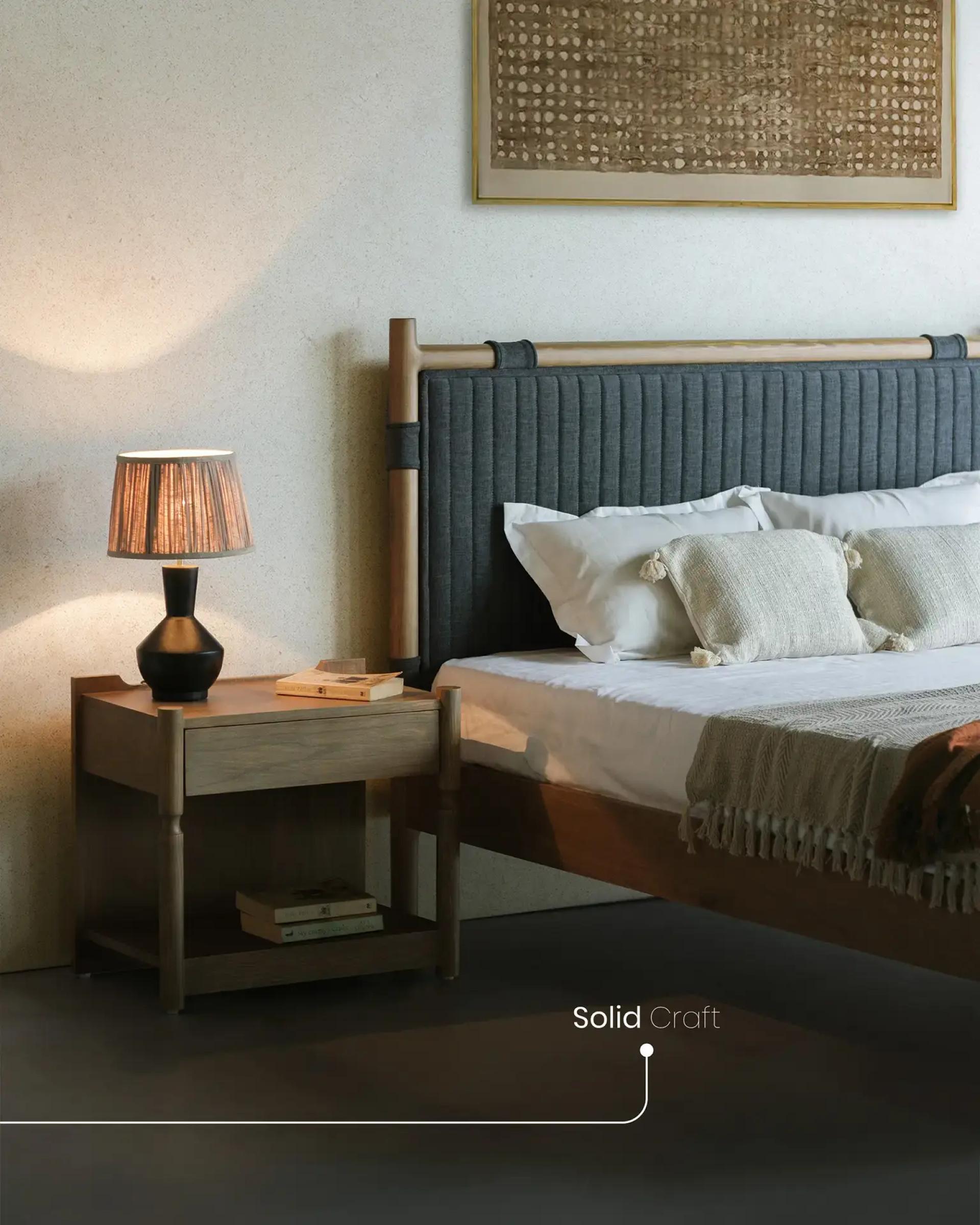

Your bedroom is not just a room where the lights go off at night. It is the place where the body recovers, the mind slows down, and daily routines quietly reset. This bedroom furniture buying guide begins with a simple truth. Furniture chosen in a hurry often leads to discomfort, clutter, and regret. Many buyers focus on surface beauty or discounts and forget longevity. The real decision is whether the furniture will still feel right ten years from now.
Why Bedroom Furniture Is a Long-Term Investment
Bedroom furniture affects more than appearance. It plays a role in sleep quality, posture, storage habits, and overall room flow. Poor choices can lead to wasted space and higher maintenance costs. Well-planned furniture supports daily movement and creates a calm atmosphere. The best bedroom furniture for home use balances durability, comfort, and thoughtful design rather than short-lived trends.
Begin With Smart Space Planning
The foundation of good buying starts with bedroom space planning. Accurate measurements are essential. Note the room length, width, ceiling height, and positions of doors and windows. A clear walking space of two to three feet around the bed ensures comfort. Effective bedroom furniture layout ideas focus on movement and light. Small bedrooms benefit from vertical storage and compact units. Larger rooms allow king beds, seating corners, and wider wardrobes without overcrowding.
Choosing the Right Bed Frame
Beds anchor the entire room. Understanding how to choose bedroom furniture begins here. Single beds suit compact spaces. Queen-size beds fit most households. King-size beds require generous room dimensions. Material selection matters. Solid wood provides strength and warmth. Engineered wood is lighter on the budget. Metal frames offer a modern feel. Storage beds add hidden functionality. Quality depends on joint strength, frame thickness, and warranty coverage. These details define truly durable bedroom furniture.
Storage and Wardrobe Planning
Wardrobes shape daily routines. Sliding wardrobes save space and work well in narrow rooms. Hinged wardrobes allow full visibility and easier maintenance. Internal layout should include hanging sections, drawers, shelves, and loft storage. Finish selection affects durability. Laminate resists stains. Veneer adds warmth. Solid wood wardrobes offer the longest life. Hardware quality, such as soft-close hinges and rust-resistant fittings, ensures smooth, quiet use for years.
Mattress and Comfort Essentials
A bed frame performs best with the right mattress. Mattress size must match the bed exactly. Orthopedic mattresses support posture. Softer mattresses suit lighter sleepers. The bed height should allow easy sitting and standing. Headboards should provide back support for reading or relaxing. Comfort should always outweigh appearance.
Functional Additions That Complete the Room
Supporting furniture enhances daily use. Bedside tables keep essentials within reach. Dressing units support routines. Chests of drawers offer flexible storage. Accent chairs create restful corners. Modular storage adapts as needs change. The goal is a balance between function and visual calm.
Solid Wood vs Engineered Wood
Understanding engineered wood vs solid wood helps long-term planning. Solid wood offers higher durability and better moisture tolerance. Engineered wood is cost-effective but sensitive to humidity. Homes in humid climates benefit from moisture-resistant furniture made from treated materials. While solid wood costs more initially, its longevity often delivers better value. This is why many luxury bedroom sets continue to rely on natural wood craftsmanship.
Design Trends Shaping 2026 Bedrooms
Modern bedrooms favor simplicity. Minimal wooden finishes, neutral tones, upholstered headboards, sustainable materials, and soft curved edges dominate current preferences. These styles age gracefully and adapt easily to changing decor tastes.
Budget Planning With a Long View
Smart budgets consider lifespan rather than price alone. Entry-level furniture suits short-term needs. Mid-range options balance cost and quality. Premium handcrafted sets cost more upfront but reduce replacement expenses. Cost per year thinking supports smarter decisions. Buy once. Buy durable.
Common Bedroom Furniture Mistakes
Skipping measurements leads to cramped layouts. Overcrowding restricts movement. Choosing design over strength increases repairs. Ignoring hardware quality shortens lifespan. Skipping warranty checks removes protection.
Final Bedroom Furniture Checklist
Room measured accurately.
Bed size selected correctly.
Storage needs identified.
Frame material verified.
Comfort tested in person.
Warranty reviewed.
Future needs considered.
Invest in Comfort That Endures
Bedroom furniture is not a quick purchase. It is a long-term investment in comfort, storage, and everyday well-being. Careful planning, quality materials, and thoughtful layouts protect that investment. Brands such as Classy Furniture are often referenced in discussions around solid wood bedroom furniture built for lasting comfort and refined living.
FAQs
1. What is the best material for bedroom furniture?
Solid wood is considered the most durable option for bedroom furniture, offering a long lifespan, structural strength, and resistance to daily wear when compared to engineered or mixed materials.
2. How long should bedroom furniture last?
High-quality bedroom furniture crafted from solid wood can last between fifteen and twenty years with proper care, making it a reliable long-term investment for most households.
3. Is a storage bed better than a normal bed?
Storage beds are ideal for small bedrooms because they provide extra hidden space for linens and essentials, reducing the need for additional storage furniture.
4. How much space should be left around the bed?
A minimum of two to three feet of free space around the bed is recommended for comfortable movement, easy cleaning, and better room flow.
5. Which wardrobe is best for small bedrooms?
Sliding wardrobes are best for small bedrooms because they save floor space, improve accessibility, and eliminate the need for door swing clearance.
6. How do I know if bedroom furniture is durable?
Durability can be assessed by checking wood thickness, joint quality, hardware strength, surface finish, and warranty coverage provided by the manufacturer.
7. Is engineered wood good for bedroom furniture?
Engineered wood is budget-friendly and suitable for light use, but it has lower moisture resistance and a shorter lifespan compared to solid wood furniture.




























Sign in to leave a comment.