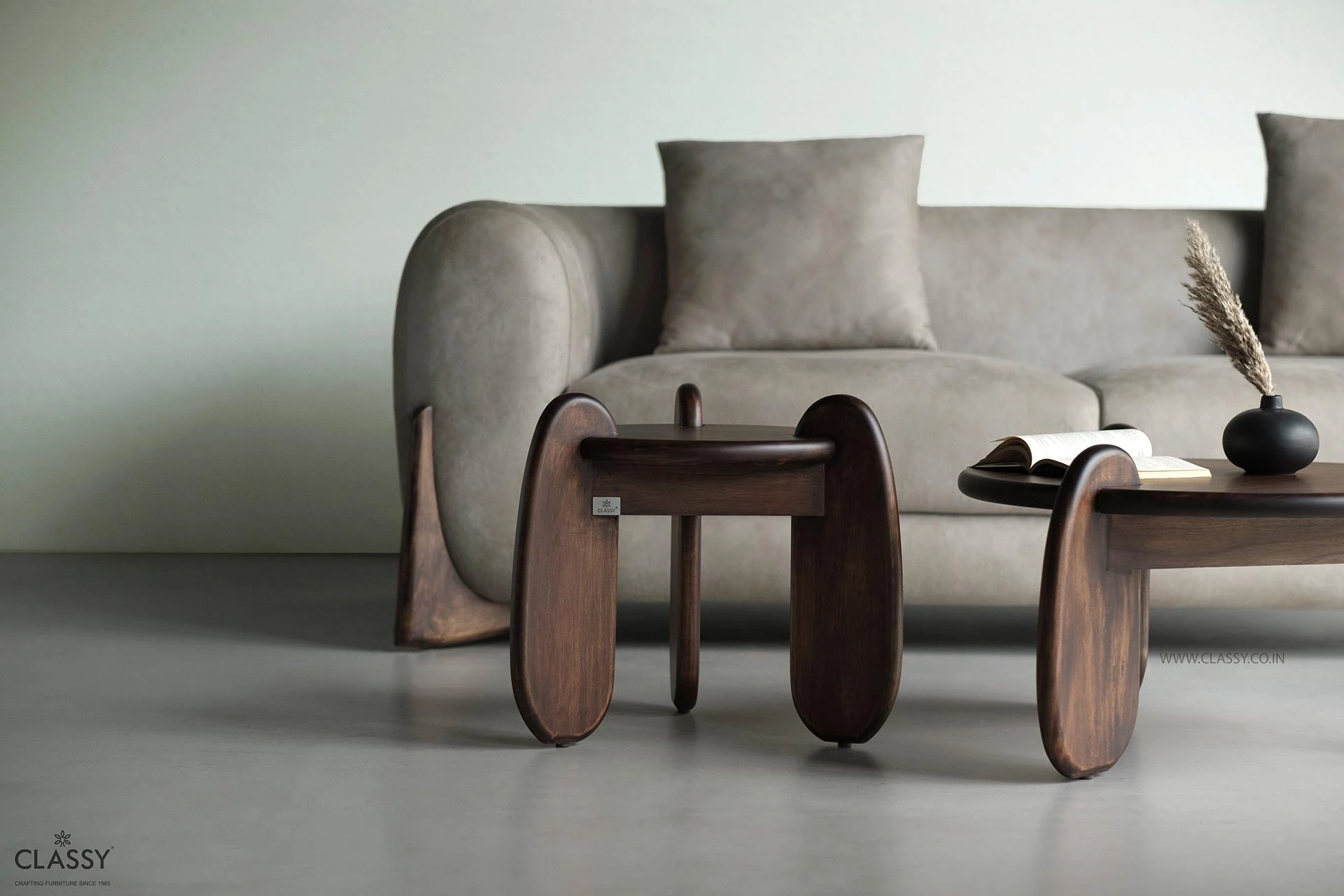

The sofa is the heart of a living room. It is where guests naturally settle in, where conversations stretch longer than planned, and where quiet moments unfold at the end of the day. It holds lazy Sunday naps, family movie nights, and countless cups of tea. More than any other piece of furniture, the sofa defines how a living space feels and functions. Choosing one is not just about filling an empty corner. It is about deciding how comfort, style, and daily life will come together for years. The real question is worth pausing over. Are you choosing a sofa, or investing in your home’s comfort for the next ten years?
Why Choosing the Right Sofa Matters
A sofa is a long-term investment. Unlike décor items that change with trends, a sofa stays put and shapes the room around it. The right choice improves comfort, enhances visual balance, and supports easy movement. The wrong one can make a room feel tight, awkward, or tiring to use. Many buyers focus only on appearance, forgetting to measure the room or consider daily habits. Others choose fabrics that look good but struggle to survive real life. Well-designed sofas balance aesthetics with durability, which is why brands like Classy Furniture are often noted for combining craftsmanship with practical design suited for modern homes.
Step 1: Choosing the Right Sofa Size
Size is the starting point of any smart sofa purchase. Measuring the living room accurately helps avoid costly mistakes. Note wall lengths, open areas, and existing furniture placement. Entry points matter too. Doorways, staircases, and elevators should be checked so the sofa can be delivered without trouble. The distance from the television should feel comfortable for viewing, while the walking space around the sofa should remain open. Ideally, two to three feet of clearance allows easy movement.
Different spaces need different sofa sizes. A two-seater works well in compact apartments or as secondary seating. A three seater suits medium-sized living rooms and offers balanced comfort. L-shaped or sectional sofas are ideal for large families or open layouts where seating needs are higher. Sofa cum beds work well in multipurpose rooms or homes that host guests often. A helpful tip is to mark the sofa dimensions on the floor using painter’s tape. This simple step gives a clear sense of scale before buying.
Step 2: Choosing the Right Sofa Fabric
Fabric plays a big role in how a sofa feels and ages. Cotton is breathable and comfortable for daily use. Linen adds a refined look but needs careful maintenance. Velvet creates a rich, luxurious feel while requiring gentle care. Leather stands out for durability and ease of cleaning, and it develops character over time. Synthetic blends remain budget-friendly and are often more resistant to stains.
Lifestyle should guide fabric choice. Homes with pets benefit from tightly woven or scratch-resistant materials. Families with children need washable or stain-resistant fabrics that handle spills easily. Formal living rooms often suit premium textures that hold their shape well. Climate also matters. Humid regions require fabrics that manage moisture, while hot climates feel better with breathable upholstery. Many quality-focused furniture makers offer fabric customization to suit these everyday needs.
Step 3: Comfort and Cushioning Guide
Comfort comes from what lies beneath the surface. Cushion filling affects support and longevity. Foam cushions offer firm support and hold shape well. Feather-filled cushions feel soft and inviting but need regular fluffing. High-density foam provides long-lasting comfort and resists sagging over time. Hybrid cushions combine materials to balance softness and structure.
Seat depth influences posture. Deep seats are ideal for relaxed lounging. Standard depth supports upright seating and suits formal spaces. Back height matters too. High backs offer neck and shoulder support, making them comfortable for long sitting hours. Low backs create a modern look but provide less support. Frame material is equally important. Solid wood frames are durable and premium. Engineered wood offers a cost-effective option with decent strength. Metal frames suit modern interiors and lighter designs.
Step 4: Sofa Layout and Placement Tips
Layout determines how a room flows. Rectangular rooms often work well with L-shaped sofas placed along longer walls. Square rooms feel balanced with a three-seater paired with accent chairs. Small rooms benefit from wall-aligned seating that keeps the center open.
Placement rules help maintain harmony. Avoid blocking windows or natural light. Keep pathways clear for movement. Balance visual weight by spacing furniture evenly. Styling adds warmth and personality. Accent cushions introduce color. Throw blankets add texture. Coffee tables should match the sofa's proportions. Rugs should anchor the seating area without overwhelming the space.
Trending Sofa Styles in 2026
Sofa trends in 2026 focus on comfort and simplicity. Curved sofas soften sharp interiors and feel inviting. Minimal wooden armrests add warmth and structure. Neutral tones remain popular for their flexibility. Modular seating systems allow easy rearrangement as needs change. Sustainable materials gain attention as homeowners value responsible choices alongside style.
Budget Planning Guide
Budget planning prevents regret. Entry-level sofas meet basic needs but may show wear sooner. Mid-range sofas offer a balance of quality and affordability. Premium handcrafted sofas cost more but deliver durability and timeless appeal. Comparing cost with lifespan is important. Replacing a sofa every few years often costs more than investing once in a well-built piece that lasts.
Common Sofa Buying Mistakes to Avoid
Ignoring warranty details can lead to future expenses. Choosing trendy colors over timeless shades may date the room quickly. Seat height is often overlooked until discomfort appears. Cleaning requirements surprise many owners. Buying without testing comfort remains one of the most common mistakes.
Final Buying Checklist
Before finalizing a sofa, confirm accurate measurements, fabric suited to lifestyle, strong frame construction, comfortable cushioning, layout compatibility, and clear warranty support. A thoughtful choice ensures the sofa becomes a lasting part of everyday life — and if you’re looking for classy furniture to buy premium sofas that combine elegance with everyday comfort
FAQs
1. What is the ideal sofa size for a small living room?
A compact two-seater or small L-shaped sofa suits small living rooms, offering enough seating while preserving movement, openness, and visual balance without making the space feel cramped.
2. Which sofa fabric is best for homes with kids?
Stain-resistant synthetic blends and treated cotton fabrics are ideal for homes with kids because they handle spills, resist marks, clean easily, and tolerate frequent use without losing appearance quickly.
3. How long should a good-quality sofa last?
A well-built sofa with a solid wood frame and high-density foam cushions typically lasts between eight and fifteen years when maintained properly and used under normal household conditions.
4. Are leather sofas better than fabric sofas?
Leather sofas are durable and simple to clean, while fabric sofas provide more texture, warmth, and color choices, making the better option dependent on lifestyle, climate, and personal comfort preferences.
5. How do I know if a sofa frame is strong?
A strong sofa frame uses solid wood, has reinforced joints, minimal noise when pressure is applied, even weight distribution, and feels stable, rigid, and supportive during regular everyday sitting use.
6. What cushion density is best for long-term comfort?
High density foam ranging from thirty-two to forty density provides lasting support, resists sagging, maintains shape, and delivers a comfortable balance for daily seating over many years at home.
7. Should the sofa be darker or lighter than the walls?
Neutral sofas blend easily with walls and decor over time, while choosing a darker or lighter contrast can create depth, focus, and visual interest within the living room design scheme.
8. How much space should be left around a sofa?
Leaving two to three feet of clear space around a sofa allows easy movement, supports good layout flow, prevents crowding, and keeps the living room comfortable and functional for everyone.





























Sign in to leave a comment.