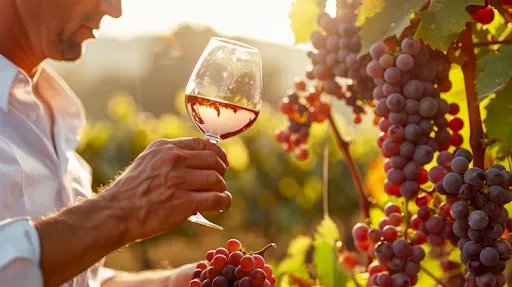

Napa gets a lot of first-timers with no real plan and a lot of second-timers with too rigid a one. Both approaches tend to produce the same outcome: a perfectly fine day that could have been significantly better with just a little more intentionality.
The difference between a good wine trip and a great one usually comes down to three decisions made before you leave home.
Decision One: How Many Stops Is Too Many
The answer is almost always fewer than you think.
Four wineries in a day sounds manageable. In practice, it means rushed tastings, no real conversation with anyone pouring, wine notes that blur together by 3 PM, and a late-afternoon drive back that's either miserable or inadvisable.
Two to three is the right number for most people. Two if you want to actually learn something. Three if you're experienced and have your tastings timed well.
The wineries worth visiting take time. Not because they're slow — because there's something to pay attention to. If you're moving too fast to remember what you tasted at stop two by the time you get to stop three, you're not on a wine trip. You're on a wine-adjacent sightseeing trip, which is a different thing and worth being honest about.
Decision Two: Appointment vs. Walk-In
Most serious Napa producers are appointment-only now. This has been true for years, but visitors still show up expecting to walk in and have something interesting poured for them. Sometimes it works. More often, you end up at whatever spot has availability, which is usually available because it doesn't require much planning to access.
Book in advance. Committing to an appointment also means showing up, which forces you to prioritize — and that prioritization is how you end up with a better day.
The best napa valley wine tours tend to be the ones where someone has already made those calls and confirmed those appointments, so your job is to show up and pay attention rather than coordinate. Whether that's a formal guided tour or a well-researched itinerary you've built yourself, the infrastructure matters.
Decision Three: What You're Actually There For
This sounds obvious, but it isn't. People go to Napa for different reasons, and the itinerary that works for one reason is completely wrong for another.
If you want to understand wine — where it comes from, how decisions in the vineyard and cellar translate to what's in the glass — you want smaller producers, focused tastings, and a host who's willing to actually talk through what you're drinking.
If you want a beautiful day with excellent wine and good food in one of California's most scenic regions, the big estates with their cave tours and chef pairings and curated experiences are genuinely worth it.
If you want to find bottles you can't get at home, you want the allocation-only producers and the small-run stuff that doesn't leave the county.
All of these are valid. None of them are the same trip. Knowing which one you're on makes the planning straightforward.
The Appellation Matters More Than People Realize
Napa Valley is a single appellation, but it contains sixteen sub-appellations, and the differences between them are real.
Rutherford Cabernets have what locals call "Rutherford dust" — a particular texture and earthiness that's identifiable if you're paying attention. Howell Mountain fruit is tighter and more tannic at release, built for cellaring. St. Helena is warmer and produces rounder, more immediately approachable wines. Stags Leap District is known for structure and elegance.
You don't need to memorize the map. But if you notice you're being poured three Cabernets that taste noticeably different from each other and you don't know why, ask. The explanation is almost always interesting.
Food Is Not an Afterthought
The food in wine country is part of the experience, not a logistical pause between tastings. The best meals on a wine trip are ones where the food and wine are chosen with each other in mind — not in a formal pairing sense, but in the sense that you're eating food made from the same landscape that produced what you're drinking.
That alignment is easiest to find at winery restaurants and at places where the chef is paying attention to the local producers. It's harder to find at tourist-facing spots with big menus and mediocre execution.
Book dinner in advance — even further in advance than your tasting appointments — especially if you're visiting from spring through fall. The good places fill up early.
One More Thing
Don't skip the drive. Highway 29 through the valley and the Silverado Trail on the east side are genuinely beautiful. Give yourself a few extra minutes to pull over and look. The wine will make more sense once you've seen where it comes from.




























Sign in to leave a comment.