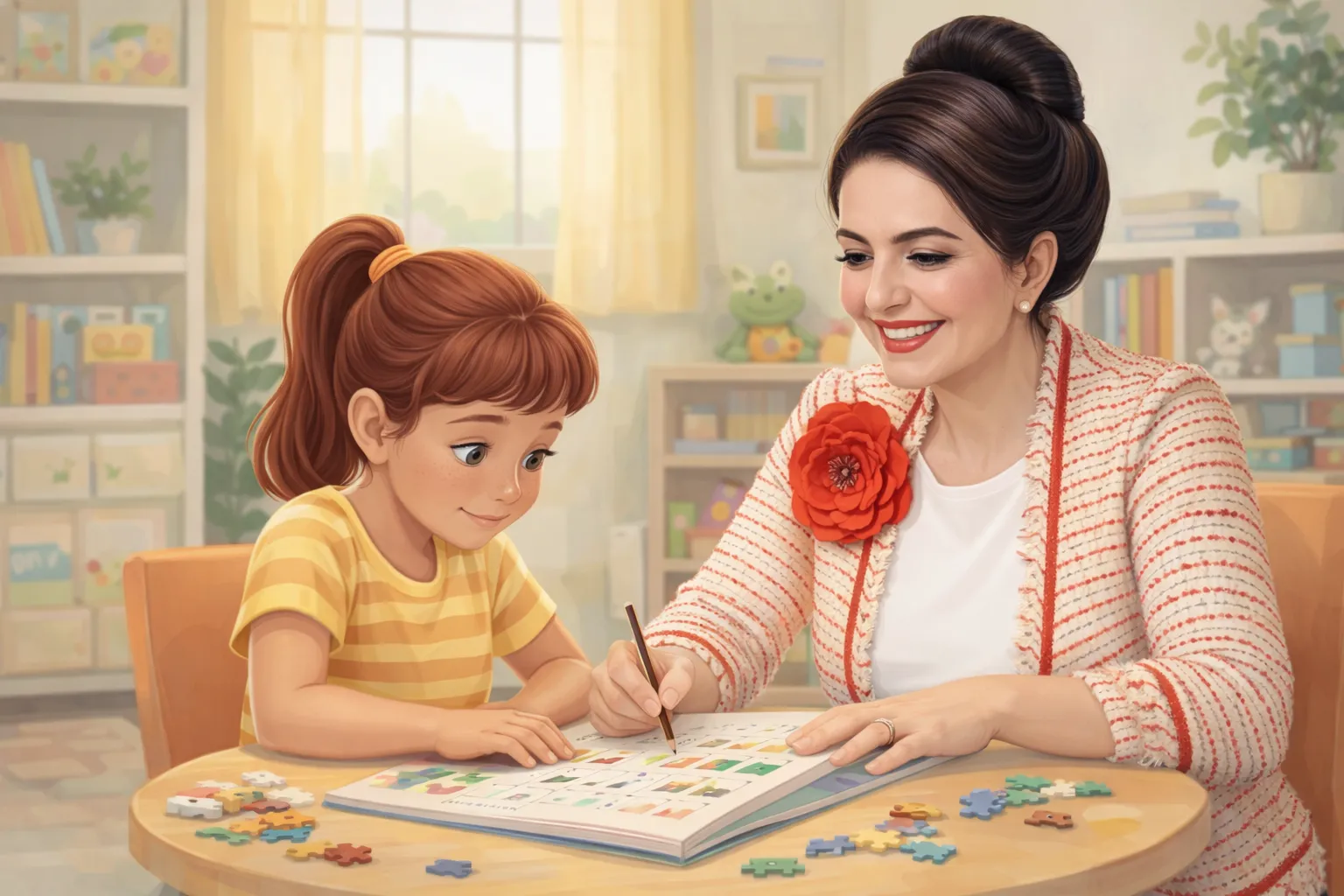

Every child experiences emotional ups and downs while growing up. Some children may become frustrated easily, struggle to manage strong emotions, or display behaviours that affect school, friendships, or family life. While occasional behavioural challenges are a normal part of development, ongoing difficulties can sometimes indicate that a child needs additional emotional support.
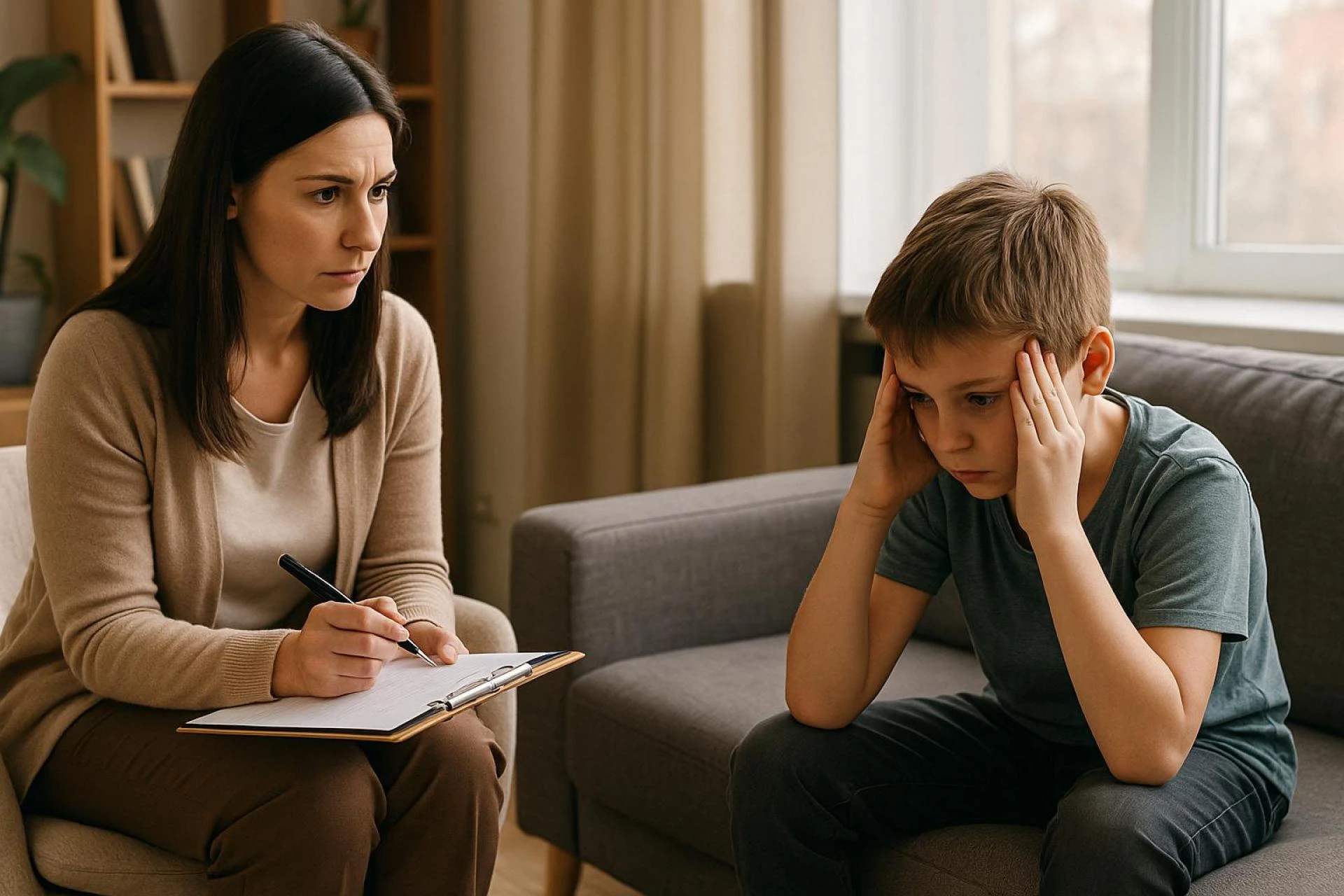
Behavioural therapy for kids focuses on helping children understand emotions, improve coping skills, and develop healthier responses to everyday situations. Rather than simply correcting unwanted behaviour, therapy aims to identify the underlying causes contributing to emotional or behavioural struggles.
Today, many parents are seeking early intervention because untreated behavioural concerns can gradually affect confidence, social relationships, academic performance, and emotional wellbeing over time.
What Is Behavioural Therapy for Kids?
Behavioural therapy is a structured psychological approach that helps children learn positive behaviours while reducing behaviours that may interfere with daily life.
Therapy often focuses on:
- Emotional regulation
- Communication skills
- Managing frustration
- Reducing impulsive behaviours
- Building confidence
- Developing healthy coping strategies
- Strengthening parent-child relationships
Children process emotions differently from adults. Some may express anxiety, stress, or overwhelm through anger, avoidance, aggression, or emotional outbursts rather than verbally explaining how they feel.
Behavioural therapy helps children recognise emotions safely while learning more effective ways to respond to challenges.
Signs a Child May Benefit From Behavioural Therapy
Every child behaves differently, but certain ongoing patterns may indicate additional support could be helpful.
Common signs include:
- Frequent emotional meltdowns
- Aggressive behaviour
- Difficulty following routines
- Ongoing defiance
- Social difficulties
- Separation anxiety
- Impulsive behaviour
- School refusal
- Difficulty managing frustration
- Sudden behavioural changes
Sometimes behaviours that appear “naughty” on the surface may actually reflect emotional stress, anxiety, sensory difficulties, or challenges with emotional regulation.
Early support can often prevent these difficulties from becoming more disruptive later.
Why Early Intervention Matters
Children’s emotional patterns continue developing throughout childhood. When behavioural difficulties remain unsupported for long periods, children may begin struggling socially, emotionally, or academically.
Early intervention helps children develop emotional resilience before negative coping patterns become deeply established.
Parents often notice improvements not only in behaviour but also in confidence, communication, family relationships, and emotional understanding.
Supportive therapy environments also help children feel understood rather than criticised, which is especially important for children who already feel frustrated or overwhelmed.
How Behavioural Therapy Supports Families
Behavioural therapy does not focus only on the child. Parents and caregivers often play an important role in the therapeutic process as well.
Therapists may work collaboratively with families to:
- Improve communication strategies
- Create consistent boundaries
- Reduce conflict at home
- Support emotional regulation
- Build positive reinforcement routines
- Understand emotional triggers
Family involvement often improves long-term progress because children benefit most when emotional support strategies continue outside therapy sessions.
Many families exploring behavioural support also seek guidance through services such as behavioral therapy for kids to better understand how therapy approaches can support emotional development and behavioural regulation in children.
Common Conditions Addressed Through Behavioural Therapy
Behavioural therapy may support children experiencing:
- ADHD-related behaviours
- Anxiety
- Emotional dysregulation
- Oppositional behaviours
- Social difficulties
- School-related stress
- OCD tendencies
- Autism-related behavioural challenges
- Emotional outbursts
- Low frustration tolerance
Therapy approaches are typically adjusted depending on the child’s age, personality, developmental stage, and emotional needs.
What Happens During Therapy Sessions?
Therapy sessions for children often look very different from adult counselling.
Children may engage through:
- Play-based activities
- Drawing and creative tasks
- Games
- Role-playing
- Storytelling
- Emotional identification exercises
These approaches help children communicate emotions more comfortably in age-appropriate ways.
Therapists also help children practise coping skills during sessions so they can apply them in real-life situations at home or school.
Supporting Positive Behaviour at Home
Parents can also support emotional development outside therapy through:
- Consistent routines
- Calm communication
- Positive reinforcement
- Predictable expectations
- Emotional validation
- Healthy boundaries
Children generally respond better to connection and consistency than punishment alone.
Creating emotionally safe environments helps children develop stronger self-regulation and trust.
Behavioural Challenges Do Not Define a Child
One important thing many parents need to hear is that behavioural struggles do not make a child “bad” or “difficult.”
Children often communicate emotional distress through behaviour because they do not yet have the language or coping skills to express what they are experiencing internally.
Supportive intervention focuses on helping children feel safe, understood, and emotionally equipped rather than simply controlling behaviour.
Conclusion
Behavioural therapy for kids can provide valuable support for children experiencing emotional, social, or behavioural challenges. By helping children build healthier coping skills and emotional understanding early, therapy may positively influence confidence, relationships, school experiences, and long-term wellbeing.
For many families, seeking support early creates opportunities for children to better understand themselves and develop more positive ways of navigating everyday life challenges.




























Sign in to leave a comment.