

The world is undergoing a silent transformation — one not driven by a single invention, but by a fundamental rethinking of how we generate, store, and use energy. Tucked behind headlines about electric cars and solar farms lies a less flashy but equally vital piece of the sustainability puzzle: hydrogen production technologies.
To the average person, hydrogen might sound like something reserved for chemistry books or rocket launches. But behind its scientific aura is a very real, very relevant energy source that could power buses, clean up steel production, and even store renewable energy from the sun and wind. The game-changer? How we make it.
Let’s humanize the conversation and strip it of jargon, while still honoring the complex beauty of what scientists and engineers are building — molecule by molecule — to fuel our low-carbon future.
Why Hydrogen, and Why Now?
Before we dive deep into hydrogen production technologies, it’s worth understanding why hydrogen has surged to the forefront of the clean energy race.
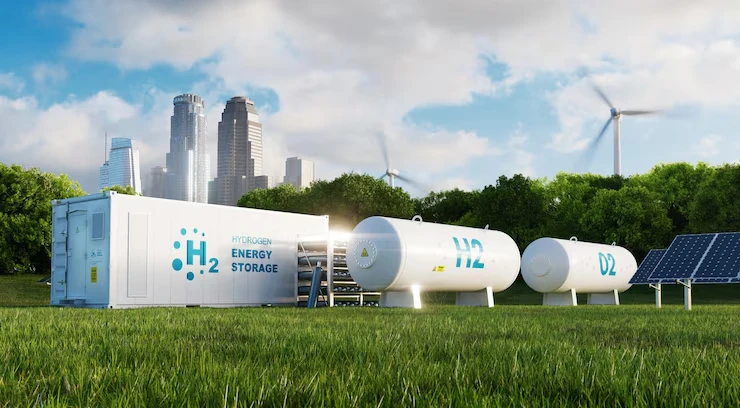
Unlike fossil fuels, hydrogen emits no carbon dioxide when used — only water. It’s light, energy-dense, and versatile. Whether you're running a cargo ship or stabilizing the electric grid, hydrogen offers a clean solution. However, it doesn’t occur freely in nature. It must be extracted — and how we do that determines whether it's truly clean or just another disguised pollutant.
The Color Code: Understanding Hydrogen’s Shades
When someone says "green hydrogen," it’s not a color descriptor — it’s a shorthand for how it’s made. Here's a simple breakdown:
· Gray Hydrogen: Made from natural gas through steam methane reforming (SMR). It’s the cheapest and most common method but releases significant CO₂.
· Blue Hydrogen: Also from SMR but with carbon capture and storage (CCS) to trap emissions.
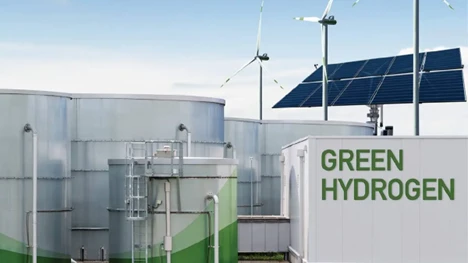
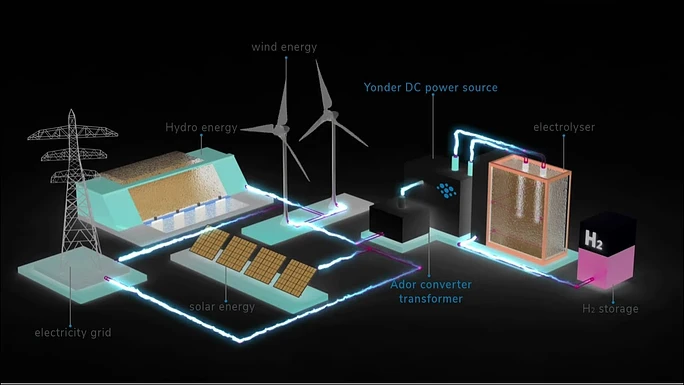
· Green Hydrogen: Produced through electrolysis powered by renewable energy. It’s clean but currently more expensive.
Each of these categories relies on different hydrogen production technologies, each with its own pros and cons.
Zooming In: The Technologies That Are Changing the Game
Let’s take a more intimate look at the core methods that are giving hydrogen its shot at decarbonizing the world.
1. Steam Methane Reforming (SMR)
SMR is the workhorse of the hydrogen industry. It involves reacting methane with steam at high temperatures to produce hydrogen and CO₂. While it’s efficient and widely used, the carbon footprint is substantial unless paired with CCS.
Real-world connection: Think of large-scale industrial plants using SMR to meet existing hydrogen demand for fertilizer or refining. These are legacy operations, and retrofitting them with carbon capture could be a meaningful short-term win.
2. Electrolysis: Splitting Water for a Cleaner Tomorrow
This is the darling of the green hydrogen movement. Electrolysis involves using electricity to split water into hydrogen and oxygen. There are several types:
· Alkaline Electrolysis: Mature and cost-effective, widely used in industrial setups.
· PEM Electrolysis: Offers higher purity and faster response times, ideal for pairing with variable renewables.
· Solid Oxide Electrolysis (SOE): Operates at high temperatures and can achieve greater efficiencies when integrated with heat-intensive processes.
The promise here is huge: If powered by solar or wind, electrolysis yields hydrogen with virtually zero emissions.
Human angle: Picture a small solar farm in Rajasthan running a PEM electrolyzer to produce green hydrogen for a local transport fleet — that’s decentralization and decarbonization in action.
3. Biomass Gasification
Less talked about, but highly promising, biomass gasification converts agricultural waste into hydrogen-rich syngas using high-temperature processing.
Why it matters: This technology offers a dual benefit — reducing waste and generating low-carbon fuel, particularly useful in rural or agricultural regions.
The Human Side of the Molecule
These aren’t just abstract systems. Behind every electrolyzer, reformer, and gasifier is a human being — a researcher fine-tuning materials for better conductivity, a plant engineer solving heat management issues, or a startup founder betting their future on decentralized green hydrogen hubs.
Let’s take the story of Reema, a chemical engineer in Pune. She’s part of a team piloting an alkaline electrolyzer at an industrial park, aiming to replace diesel backup systems with clean hydrogen. Her work isn’t just technical — it’s driven by her personal mission to leave a breathable city for her children.
This is the human heart of hydrogen production technologies: people using their skills not just to build something functional, but to reshape the very foundation of our energy economy.
Barriers That Still Stand
Despite the optimism, we must be honest about the hurdles:
· Cost: Green hydrogen is still significantly more expensive than gray hydrogen.
· Infrastructure: There's a lack of pipelines, storage systems, and refueling stations.
· Regulations: Policy frameworks are still catching up, making it difficult to scale.
· Energy Input: Electrolysis requires significant electricity, which only pays off if it's renewable.
Overcoming these requires global cooperation, forward-thinking policy, and serious investment in R&D.
Opportunities for Emerging Markets
Countries like India, Brazil, and South Africa have vast potential to leapfrog traditional energy systems using green hydrogen. With abundant sunlight and wind, and large populations dependent on energy imports, these regions can redefine energy independence.
In fact, scaling hydrogen production technologies in these countries could provide local jobs, reduce fossil fuel imports, and clean up polluted urban air — all in one go.
What the Future Looks Like
Fast forward a decade. Picture neighborhood-level hydrogen microgrids, freight corridors running on fuel cells, and factories that produce green steel using clean hydrogen instead of coke.
We’re not as far from this vision as we think.
With the falling cost of renewable energy, better electrolyzers, and smarter grids, hydrogen production technologies will become not just feasible but foundational.
The real shift will happen when hydrogen isn't just seen as a fuel — but as a building block of a cleaner, more resilient civilization.
Final Thought: Innovation with Intention
Technology is only as good as the intention behind it. Hydrogen production technologies hold incredible promise, but we must pursue them not just for efficiency or profitability, but for the kind of future we want to live in.
A future where clean energy isn't a luxury or a buzzword — but the air we breathe, the jobs we hold, and the legacy we build.






















Sign in to leave a comment.