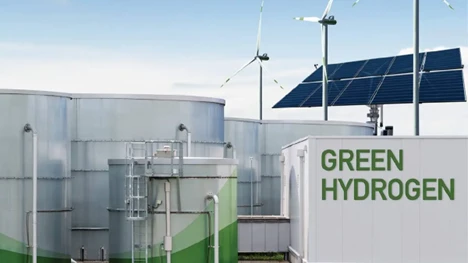

Imagine a world where the fuel you use emits nothing but water vapor. No smog, no carbon footprint—just clean, efficient energy. This isn’t a dream from a futuristic novel; it’s the promise of hydrogen production electrolysis. While the buzz around green energy solutions has grown louder in recent years, few technologies are as genuinely transformative as electrolysis-based hydrogen production.
But what exactly is hydrogen production electrolysis, and why is it rapidly gaining attention from engineers, environmentalists, and global policymakers alike? Let’s explore the science, strategy, and social impact of this powerful energy frontier.
The Basics: How Water Becomes Energy
Let’s start with a simple truth from high school chemistry: water is H₂O—two hydrogen atoms and one oxygen atom. Electrolysis is the process that uses electricity to split water into its core components: hydrogen and oxygen. The hydrogen is collected and can be stored, transported, and used as a clean energy source, while the oxygen is often released as a by-product.
At its core, hydrogen production electrolysis is deceptively simple:
- Water (H₂O) is fed into an electrolyzer.
- An electric current is applied.
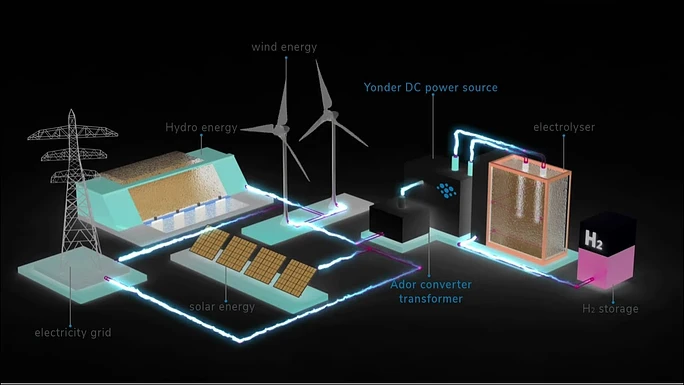
- Hydrogen gas is collected at the cathode; oxygen gas at the anode.
What’s revolutionary here isn’t just the simplicity—it’s the potential to use renewable electricity (from wind, solar, or hydropower) to run the process. That’s where electrolysis shifts from a lab technique to a planet-saving strategy.
Green, Blue, Grey—What’s the Difference?
Not all hydrogen is created equal. Understanding the different types of hydrogen based on their production method is key to grasping the value of electrolysis.
- Grey Hydrogen: Produced using fossil fuels (like natural gas). High emissions. Traditional but polluting.
- Blue Hydrogen: Also derived from natural gas but with carbon capture and storage to reduce emissions.
- Green Hydrogen: Produced through hydrogen production electrolysis using renewable electricity. This is the cleanest, most sustainable form.
Green hydrogen—though still relatively expensive—is the holy grail for decarbonization across sectors like transportation, steel, chemicals, and even aviation.
Why Hydrogen, and Why Now?
With growing global commitment to Net Zero targets, hydrogen is emerging as the key to decarbonizing industries where batteries fall short. Think of long-haul trucking, shipping, heavy manufacturing, and backup energy for grids. Hydrogen excels where weight, speed of recharge, or energy density matters most.
Here's what makes it so promising:
- Energy-dense: Stores more energy per kg than batteries.
- Clean: Only emits water when used in a fuel cell.
- Versatile: Can be burned, stored, or used in chemical processes.
For decades, the barrier was cost. But as renewable electricity becomes cheaper and more widespread, the economic case for hydrogen production electrolysis strengthens. Countries like Germany, Japan, India, and Australia are already investing billions into electrolysis infrastructure.
The Tech Behind Electrolysis: Not All Electrolyzers Are Equal
There are three primary types of electrolyzers, each with distinct applications and benefits:
- Alkaline Electrolyzers: The oldest and most commercially available. Relatively low cost, but larger and less responsive to fluctuating energy sources.
- PEM (Proton Exchange Membrane): More compact and better suited for intermittent renewables like solar or wind. However, they are costlier due to their reliance on rare materials like platinum and iridium.
- SOEC (Solid Oxide Electrolyzer Cells): High efficiency but still in early stages. Operates at high temperatures, ideal for industrial waste heat integration.
The type of electrolyzer you choose depends on your use case—whether you’re integrating with a solar farm in Rajasthan or using industrial waste heat from a steel plant in Jamshedpur.
Real-World Applications: From Labs to Landscapes
Let’s look at how companies and governments are bringing this tech to life:
- Germany is using green hydrogen to decarbonize its steel and chemical industries.
- India’s National Green Hydrogen Mission aims to make the country a global hub for green hydrogen production.
- Toyota and Hyundai have released hydrogen-powered cars, betting big on fuel cells over batteries for the future of transportation.
- In Australia, massive solar-powered electrolyzers are being developed to export green hydrogen to Asia.
Even smaller startups are entering the space, innovating around micro-electrolyzers for remote power generation, emergency backup systems, and even personal mobility.
The Challenges: Why Isn't This Everywhere Already?
Despite the promise, the road ahead isn’t without hurdles:
- Cost: Electrolysis-based hydrogen is still more expensive than grey or blue hydrogen. Economies of scale and better catalysts are needed.
- Infrastructure: Hydrogen needs pipelines, storage tanks, fuel stations—none of which are widespread yet.
- Efficiency: The process still loses a portion of energy as heat. Efficiency improvements are needed across the board.
- Water Usage: Electrolysis requires pure water. In water-scarce regions, desalination or water recycling must be integrated.
These challenges aren’t trivial—but they’re not insurmountable either. History tells us that cost and infrastructure can change rapidly when policy, innovation, and investment align.
Humanizing the Hydrogen Revolution
Now, let’s step away from tech jargon for a moment.
At its heart, the hydrogen economy is a human story. It’s about giving children in polluted cities cleaner air to breathe. It’s about creating green jobs for the next generation. It’s about moving away from oil dependencies that have long fueled global conflicts.
Imagine rural India, where excess solar power generated during the day is stored not in lithium-ion batteries (which degrade over time), but in hydrogen tanks that power homes, pumps, and even transport through the night.
Imagine coastal desalination plants that not only provide drinking water but also generate green hydrogen to run ships.
That’s the future hydrogen production electrolysis makes possible—not just greener, but fairer and freer.
Conclusion: Water, Electricity, and Vision
As we hurtle toward 2030 climate goals, the clock is ticking. Hydrogen may not be the only answer, but it is a critical one—and electrolysis is its most sustainable path.
The dream is simple: take two abundant elements—water and electricity—and unlock a fuel that doesn’t destroy the planet. That’s the power of hydrogen production electrolysis.
From deep tech labs to dusty villages, from policy tables to your car’s fuel cell—this silent revolution is already underway.




























Sign in to leave a comment.