
In today’s food world, people are paying closer attention to what goes into their meals. Ingredient labels are no longer ignored—they’re read, questioned, and compared. This shift has pushed food manufacturers and home cooks alike toward simpler, more natural ingredients that still deliver on taste, texture, and performance. One such ingredient that quietly does a lot of heavy lifting is starch in its most natural form.
Natural starches have been used in cooking for generations, long before food science gave them fancy names. From thickening gravies to giving baked goods their comforting softness, starch plays a role we often take for granted. But when used thoughtfully, it can transform food in ways that feel both traditional and modern at the same time.
Let’s explore why natural starches are so valuable in food applications and how they contribute to better texture, stability, and overall eating experience—without compromising on clean-label expectations.
What Is Native Starch and Why Does It Matter?
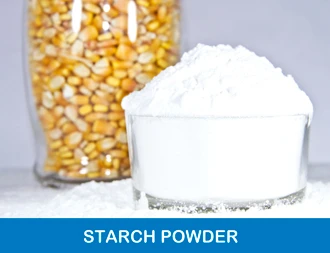
Native starch is starch in its pure, unmodified form, extracted directly from plant sources and processed with minimal intervention. It hasn’t been chemically altered to change its structure, which makes it especially appealing in foods positioned as natural or minimally processed.
Why does this matter? Because many consumers today associate fewer processing steps with trust, transparency, and wholesomeness. When an ingredient performs well without needing chemical modification, it aligns perfectly with the growing demand for clean and familiar food components.
From a functional standpoint, native starch still offers impressive capabilities—thickening, binding, and stabilizing—making it a reliable choice across a wide range of food products.
Enhancing Texture the Natural Way
Texture can make or break a food product. You might forgive a slightly bland flavor, but a sauce that’s too runny or a pudding that’s grainy? Not so much.
Natural starches excel at creating smooth, pleasing textures. When heated with water, they absorb moisture and swell, forming a gel-like structure. This process helps soups feel hearty, sauces coat the spoon perfectly, and fillings hold their shape without feeling heavy.
The best part? The texture feels natural—not artificial or gummy—because the starch behaves the way traditional cooking methods expect it to. That’s why it has remained a kitchen staple for centuries.
Improving Stability Without Complexity
One of the lesser-known benefits of natural starches is their ability to improve product stability. In food manufacturing, stability means consistency—every bite should feel the same as the last, whether the product is freshly made or has been sitting on a shelf for weeks.
Starch helps prevent separation in sauces, maintains uniform thickness in gravies, and supports structure in baked goods. Even in frozen foods, it can reduce ice crystal formation and protect texture during thawing.
All of this happens without adding complicated ingredients or hard-to-pronounce additives, which is a major win for brands aiming to keep labels simple.
Supporting Clean Label and Consumer Trust
Clean label isn’t just a trend—it’s a mindset. Consumers want foods that feel honest and familiar, made with ingredients they recognize from their own kitchens.
Using starch in its natural form supports this goal beautifully. It allows manufacturers to achieve functional benefits while still meeting expectations for minimal processing and transparency. When people see ingredients they understand, they’re more likely to trust the product—and buy it again.
This trust is especially important in categories like baby food, ready-to-eat meals, and comfort foods, where emotional connection and perceived safety play a big role.
Versatility Across Food Categories
One reason natural starch remains so popular is its remarkable versatility. It works across a wide range of food applications, adapting to different needs without losing its core functionality.
Some common uses include:
- Thickening soups, sauces, and gravies
- Adding body to dairy and dairy-style products
- Improving crumb structure in baked goods
- Stabilizing fillings, custards, and desserts
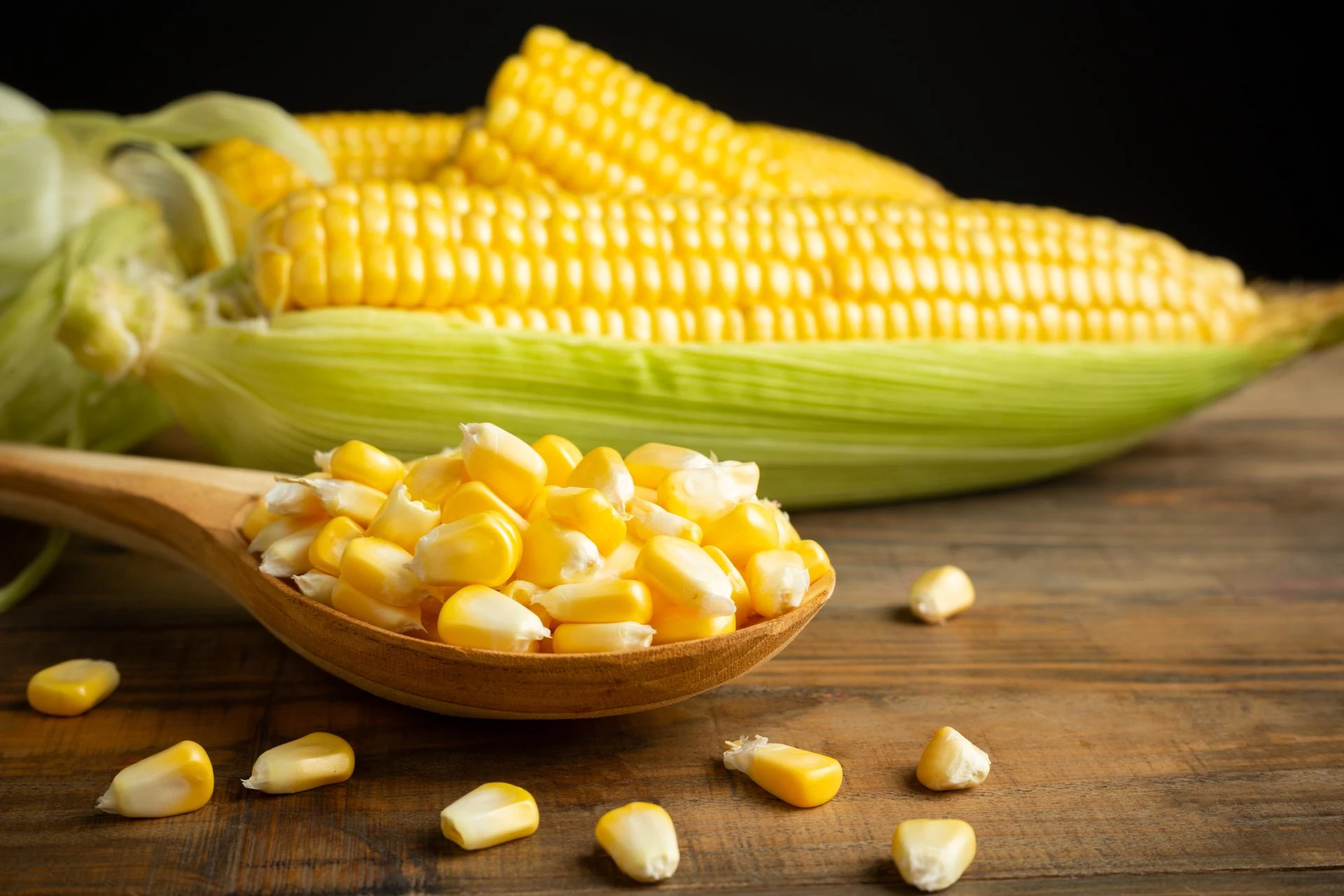
In traditional cooking, many people rely on corn starch for quick thickening at home, which speaks to how intuitive and accessible starch-based solutions really are. That same simplicity scales beautifully into professional food production.
A Cost-Effective Functional Ingredient
Beyond performance and perception, there’s a practical advantage worth mentioning: cost efficiency. Natural starches deliver multiple benefits—texture, stability, mouthfeel—without requiring large quantities or expensive processing.
For food producers, this means achieving consistent quality while managing production costs. For home cooks, it means dependable results without specialty ingredients. Either way, it’s proof that effective food solutions don’t have to be complicated or costly.
Better Mouthfeel, Better Eating Experience
Mouthfeel is one of those qualities that’s hard to describe but easy to notice. It’s the difference between a sauce that feels watery and one that feels luxurious, or a dessert that feels thin versus indulgent.
Natural starch contributes to a balanced, satisfying mouthfeel that enhances the overall eating experience. It doesn’t overpower flavors or leave an unpleasant aftertaste. Instead, it supports other ingredients, letting them shine while quietly doing its job in the background.
This subtlety is what makes it so powerful.
Conclusion: Simple Ingredients, Powerful Results
In a world where food innovation often leans toward complexity, natural starch reminds us that sometimes the simplest ingredients deliver the most reliable results. From improving texture and stability to supporting clean-label goals and consumer trust, its benefits stretch across both traditional cooking and modern food applications.
By working in harmony with other ingredients, starch in its natural form enhances food without stealing the spotlight. It respects tradition, meets modern expectations, and proves that “natural” doesn’t mean compromising on quality or performance.
At the end of the day, the magic of food often lies not in what’s added, but in how thoughtfully simple ingredients are used—and natural starch is a perfect example of that quiet, dependable magic.

































Sign in to leave a comment.