

Introduction to Cerner EHR
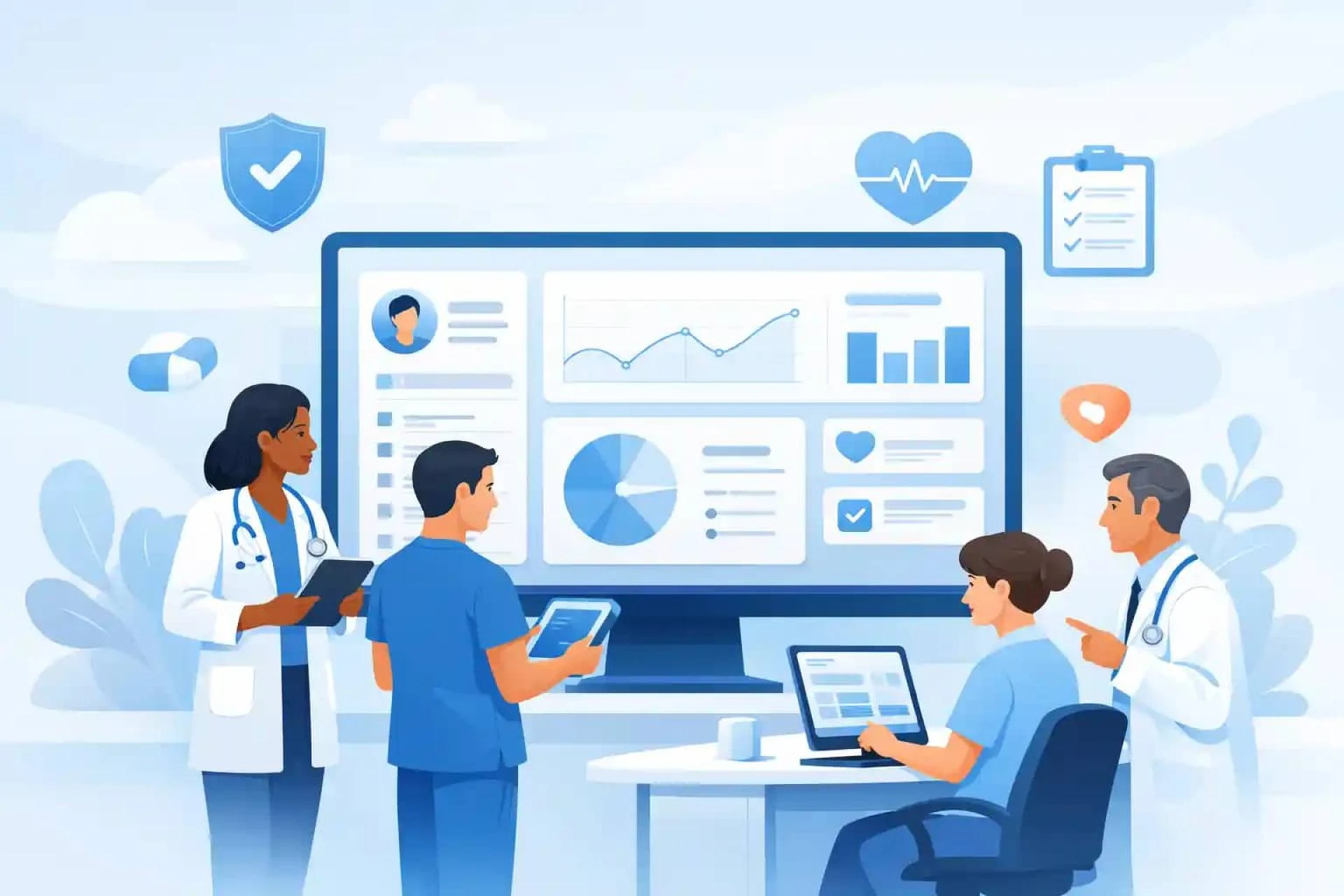
Cerner Electronic Health Record (EHR) is a comprehensive digital system that allows healthcare providers to store, manage, and share patient health information in one secure platform. It is designed to streamline workflows, enhance patient care, and improve the overall efficiency of hospitals and clinics. In this section, we will explore the key features and functionalities of Cerner EHR and discuss the benefits it offers for healthcare facilities.
Key Features and Functionalities of Cerner EHR
- Patient Data Management: What is the Cerner platform? One of the core features of Cerner EHR is its ability to collect, store, and manage patient data in a centralized database. This eliminates the need for paper records or separate electronic systems, reducing the chances of errors or duplication. The system also ensures that all patient information is easily accessible by authorized users.
- Clinical Decision Support: With built-in decision support tools, Cerner EHR helps physicians make informed decisions about patient care. These tools provide alerts for potential drug interactions, reminders for preventive screenings, and access to evidence-based treatment guidelines.
- Interoperability: Cerner EHR is designed to facilitate seamless communication between different healthcare systems through its interoperability capabilities. This means that patients' health information can be easily shared between hospitals, clinics, pharmacies, laboratories, and other healthcare providers involved in their care.
- Customizable Templates: The system offers customizable templates based on specialty or specific patient conditions, which allow physicians to quickly document their findings during consultations. This reduces administrative burden and improves documentation accuracy.
- Mobile Access: With the increasing use of mobile devices in healthcare settings, Cerner EHR has developed a mobile application that provides access to essential patient data from anywhere at any time. This allows physicians to review lab results or medication lists even when they are away from their desks.
Benefits of Using Cerner for Hospitals and Clinics
- Improved Efficiency & Productivity: By eliminating manual processes such as paper records and redundant data entry, Cerner EHR increases efficiency and productivity in healthcare facilities. This enables providers to spend more time on patient care rather than on administrative tasks.
- Enhanced Patient Care: Cerner EHR's decision support tools and customizable templates enable physicians to make accurate diagnoses, provide evidence-based treatment plans, and monitor patients' progress closely. This results in improved patient outcomes and satisfaction.
- Streamlined Workflows: Cerner EHR streamlines workflows by automating tasks such as appointment scheduling, medication refills, and billing. This reduces wait times for patients, optimizes resource utilization, and ensures a smooth flow of operations within the facility.
- Better Data Management: With all patient data stored in one secure platform, Cerner EHR ensures better data management with enhanced accuracy and accessibility. This allows providers to have a comprehensive view of their patients' health history, leading to better decision-making.
- Cost Savings: By reducing administrative burden, improving efficiency, and minimizing errors, Cerner EHR can lead to significant cost savings for healthcare facilities.
Challenges and Limitations of the Cerner Platform
One of the biggest challenges of implementing the Cerner platform is the initial cost. The upfront investment in hardware, software licenses, and implementation services can be substantial. For smaller hospitals or clinics with limited budgets, this may be a barrier to adopting Cerner EHR. However, it's important to keep in mind that this initial cost will eventually lead to long-term cost savings through increased efficiency and improved patient care.
Another challenge is the complexity of the implementation process itself. Implementing any new EHR system involves significant changes in workflows and processes, as well as training for all healthcare staff. With Cerner EHR being a comprehensive platform that includes various modules such as scheduling, billing, and clinical documentation, it can take several months to fully implement and integrate into existing systems. This can cause disruptions in daily operations during the transition period.
Another limitation of Cerner EHR is its customization options. While this may not be an issue for larger healthcare facilities with dedicated IT resources, smaller clinics or hospitals may struggle with customizing certain features according to their specific needs without additional assistance from Cerner consultants.
Furthermore, one must consider whether Cerner EHR aligns with their organization's goals and objectives before making a decision on its adoption. Every healthcare facility has different requirements and priorities when it comes to EHR systems, and it's essential to evaluate if Cerner can meet those needs effectively.
While there are challenges and limitations associated with implementing the Cerner platform, it is still a widely popular and successful EHR system used by many hospitals and clinics worldwide. With proper planning, training, and ongoing support, these challenges can be overcome, and the benefits of using Cerner EHR can be fully realized. It is crucial for healthcare facilities to carefully assess their needs and goals before deciding if Cerner EHR is the right choice for them.
Implementation Process and Support for Cerner EHR
Implementing a new electronic health record (EHR) system is a significant undertaking for any hospital or clinic. It requires careful planning, extensive training, and ongoing support to ensure a successful transition. While Cerner EHR has many benefits, there are also challenges and limitations that must be considered before deciding if it is the right choice for your facility.
Implementing a new electronic health record (EHR) system is a significant undertaking for any hospital or clinic. It requires careful planning, extensive training, and ongoing support to ensure a successful transition. While Cerner EHR has many benefits, there are also challenges and limitations that must be considered before deciding if it is the right choice for your facility.
Conclusion
As technology continues to advance in the healthcare industry, hospitals and clinics must stay up-to-date. Cerner EHR offers a wide range of benefits that can greatly improve patient care and efficiency within these facilities. From streamlining processes to providing real-time data analysis, this electronic health record system has proven its value in improving overall operations. With its user-friendly interface and customizable features, Cerner EHR is a valuable tool for any hospital or clinic looking to enhance their services and better serve their patients.




























Sign in to leave a comment.