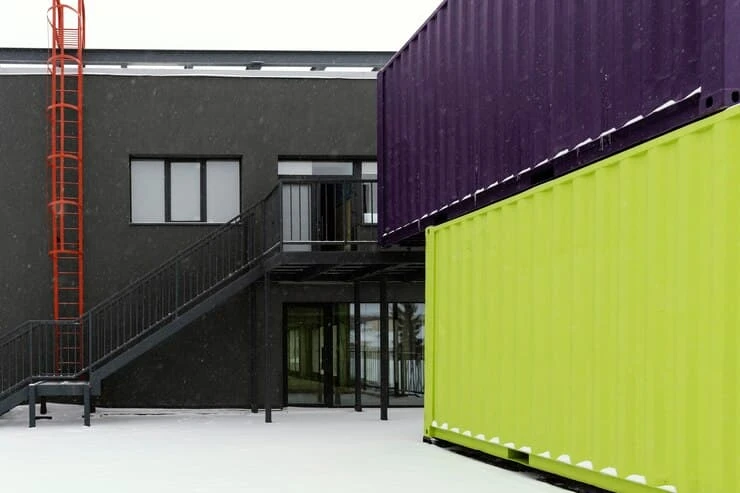

The construction industry is constantly evolving to meet growing demands for efficiency, sustainability, and adaptability. Traditional building methods, while proven, often struggle with rising costs, extended timelines, and limited flexibility. As a result, modular containers have gained significant attention as a practical and future focused construction solution. Their ability to combine speed, durability, and customization has made them an increasingly popular choice across residential, commercial, and industrial projects.
Understanding Modular Containers in Construction
What Are Modular Containers
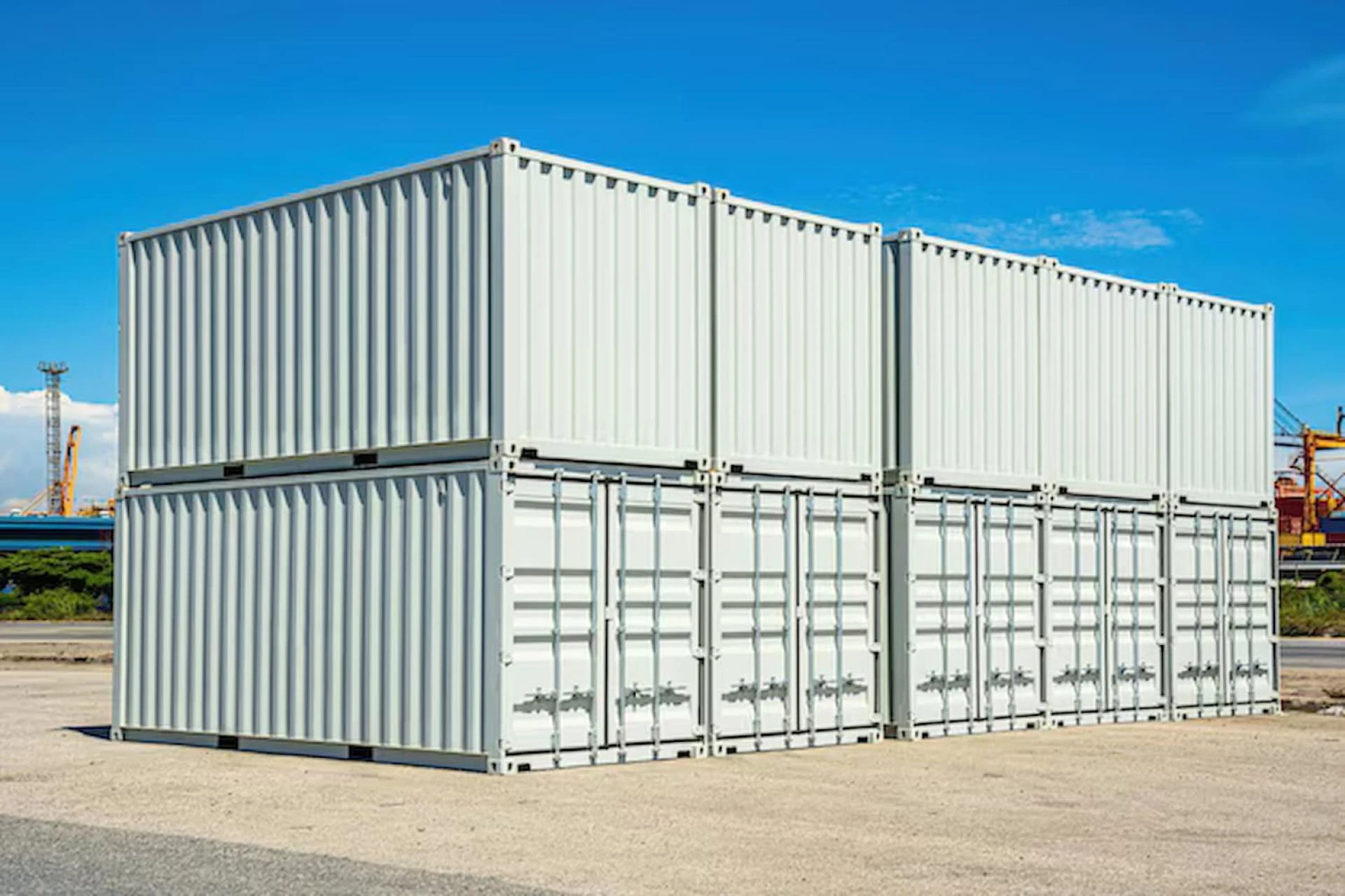
Modular containers are prefabricated structural units, often derived from shipping containers or purpose built modular frames, that are manufactured off site and assembled on location. Each container functions as a building block that can be used independently or combined with others to create larger and more complex structures. These units are designed to meet construction standards while offering flexibility in layout and use.
How Modular Containers Are Used
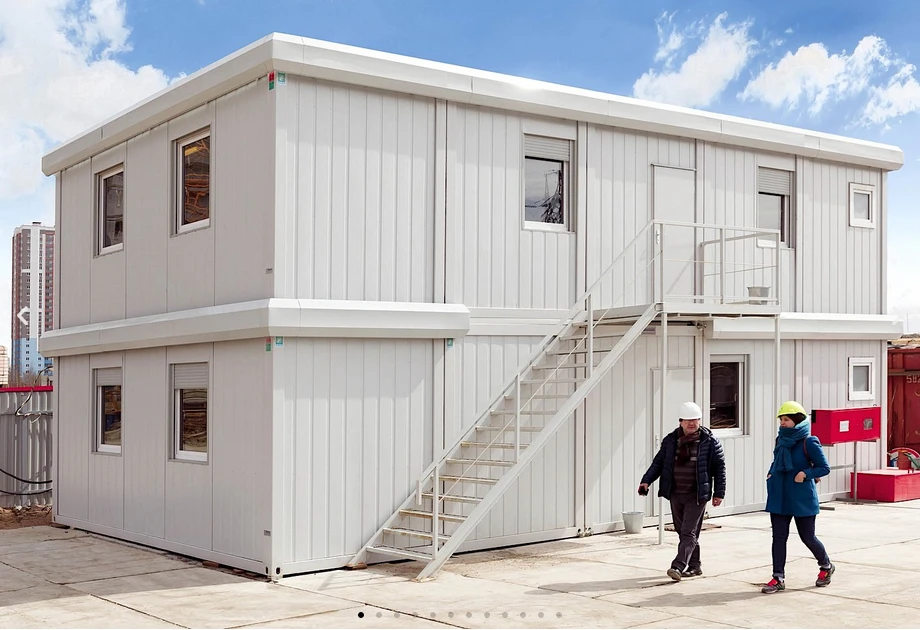
In construction, modular containers are used for a wide range of applications, including offices, accommodation units, storage facilities, classrooms, healthcare spaces, and retail environments. Their standardized dimensions and structural strength make them suitable for both temporary and permanent buildings, allowing developers to respond quickly to changing project requirements.
Speed of Construction and Project Delivery
Reduced Build Time
One of the most significant benefits of using modular containers in construction is the reduction in build time. Since the containers are manufactured off site in controlled environments, site preparation and module fabrication can occur simultaneously. This parallel process significantly shortens overall project timelines compared to traditional construction methods.
Faster Occupancy and Use
For developers and businesses, speed directly impacts return on investment. Modular container buildings can be installed and made operational much faster, allowing projects to begin generating value sooner. This advantage is especially important for commercial developments and time sensitive projects.
Cost Efficiency and Budget Control
Lower Construction Costs
Modular containers can help reduce construction costs by minimizing labor requirements and material waste. Factory based production allows for better resource management and reduces inefficiencies commonly associated with on site construction. These savings make modular containers an attractive option for budget conscious projects.
Predictable Financial Planning
Cost overruns are a common challenge in traditional construction. Modular container projects benefit from more predictable pricing, as manufacturing processes are standardized and less affected by weather delays or site disruptions. This predictability supports better financial planning and risk management.
Flexibility and Adaptability in Design
Customizable Layouts
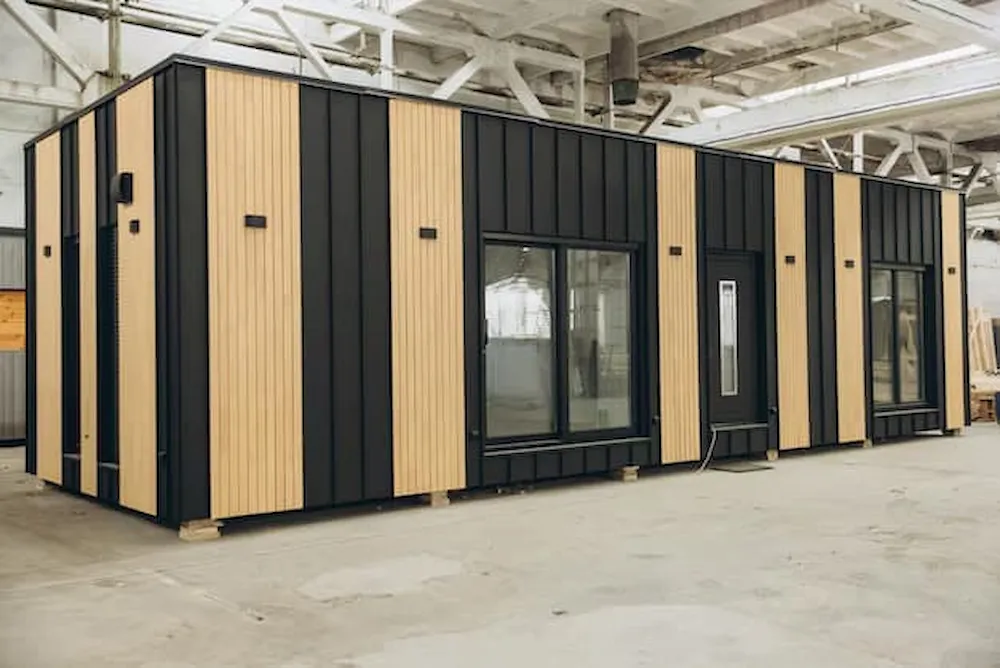
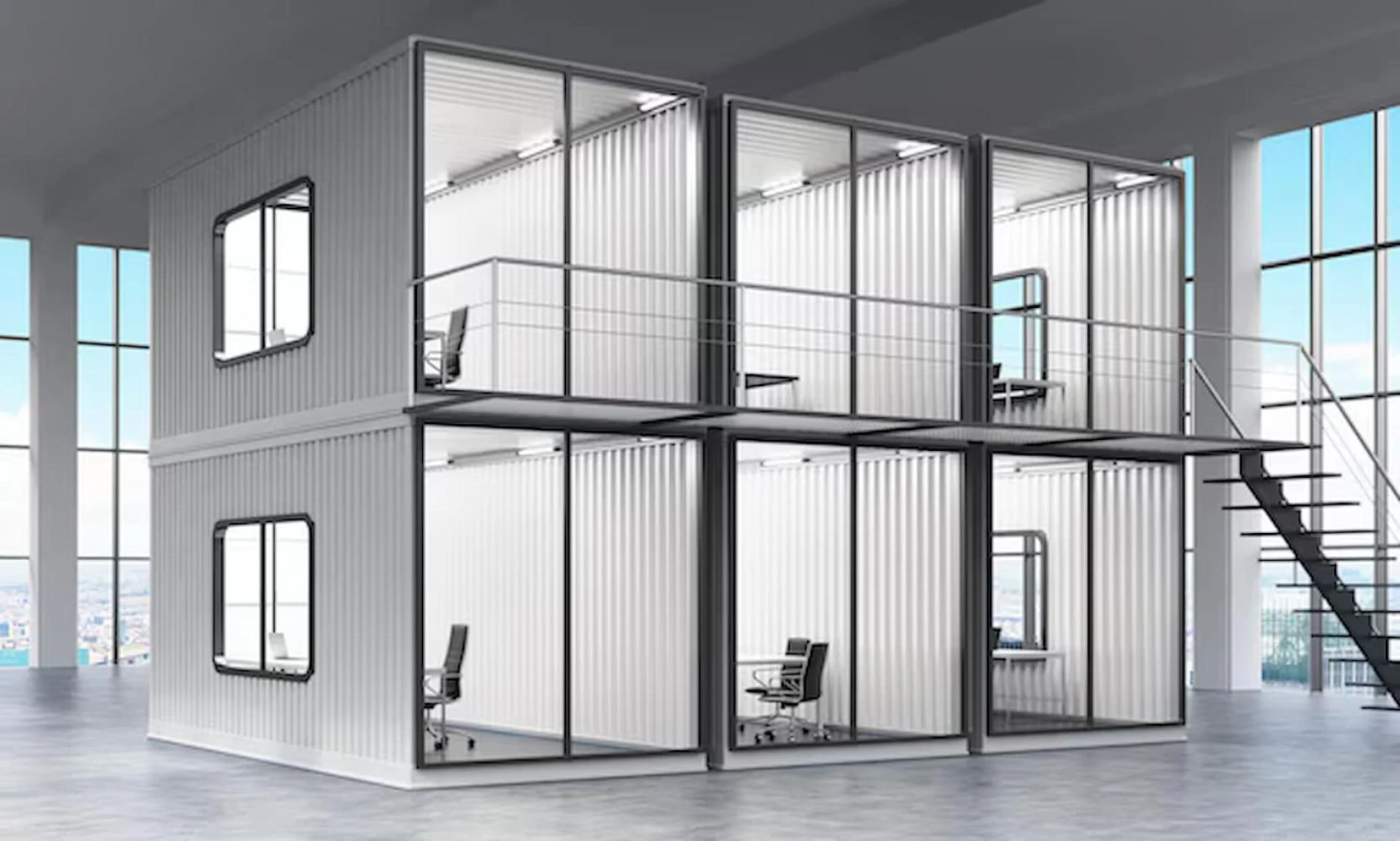
Despite their standardized structure, modular containers offer extensive design flexibility. Interiors can be customized to suit specific functional needs, whether for offices, living spaces, or specialized facilities. Layouts can include open plan areas, private rooms, meeting spaces, and integrated storage.
Ability to Expand or Reconfigure
As project requirements change, modular containers can be added, removed, or reconfigured with relative ease. This adaptability makes them ideal for developments that may need to grow or evolve over time. Expansion can often be achieved without disrupting existing operations.
Sustainability and Environmental Benefits
Reduced Material Waste
Sustainability is an increasingly important consideration in construction. Modular containers generate less waste than traditional building methods due to precise factory manufacturing. Excess materials are minimized, and leftover resources can often be reused or recycled.
Reuse of Existing Structures
Many modular containers are created by repurposing shipping containers, extending their usable life and reducing the demand for new raw materials. This reuse supports environmentally responsible construction practices and contributes to a lower overall carbon footprint.
Durability and Structural Strength
Built for Harsh Conditions
Shipping containers are originally designed to withstand extreme weather, heavy loads, and long distance transportation. This inherent strength translates well into construction applications, resulting in buildings that are robust and long lasting. Modular containers perform reliably in a wide range of environments.
Long Term Performance
When properly modified and maintained, modular container buildings can offer decades of service. Their steel construction provides resistance to pests, fire risks, and structural degradation, supporting long term durability and safety.
Quality Control and Consistency
Factory Based Manufacturing
The controlled environment of factory manufacturing ensures consistent quality across all modular containers. Materials are protected from weather exposure, and skilled teams follow standardized processes. This results in higher build quality and fewer defects compared to traditional on site construction.
Compliance With Building Standards
Modular containers are designed to meet relevant building codes and regulations. Fire safety, insulation, ventilation, and accessibility requirements are carefully addressed during the design and production stages, ensuring that completed buildings meet modern performance standards.
Versatility Across Construction Sectors
Commercial and Office Developments
In commercial construction, modular containers are used for offices, coworking spaces, retail units, and hospitality venues. Their modern appearance and rapid deployment make them suitable for both permanent and temporary commercial applications.
Residential and Accommodation Projects
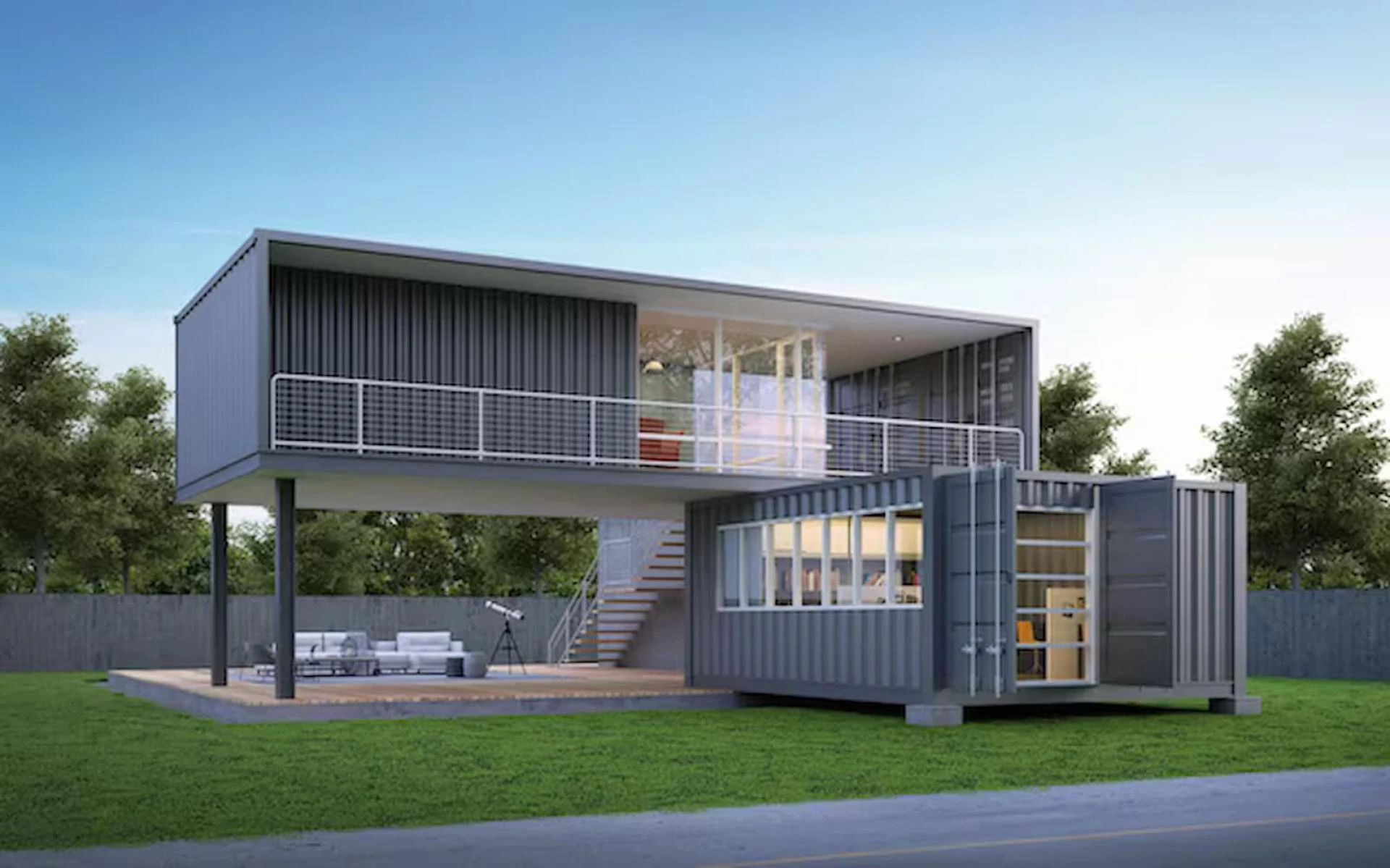
Modular containers are increasingly used in residential construction, including housing developments, student accommodation, and workforce housing. Their modular nature supports efficient use of space and rapid delivery of much needed housing solutions.
Industrial and Infrastructure Projects
For industrial and infrastructure projects, modular containers provide practical on site facilities such as offices, control rooms, and welfare units. Their durability and mobility make them ideal for challenging environments and remote locations.
Mobility and Relocation Advantages
Easy Transportation
A key benefit of modular containers is their mobility. Designed for transportation, these units can be relocated as project needs change. This is particularly valuable for temporary developments or businesses that operate across multiple sites.
Reduced Demolition and Waste
Instead of demolishing buildings when they are no longer needed, modular containers can be moved and reused elsewhere. This approach reduces demolition waste and supports more sustainable construction practices.
Improved Site Safety and Reduced Disruption
Safer Construction Processes
With much of the construction work completed off site, there is less activity and fewer hazards on site. This reduces the risk of accidents and improves overall site safety, benefiting workers and surrounding communities.
Minimal Impact on Surroundings
Modular container installation requires less heavy machinery and shorter on site timelines. This minimizes noise, dust, and disruption, making modular construction suitable for urban and sensitive locations.
Supporting Modern Construction Trends
Alignment With Off Site Construction Methods
The construction industry is increasingly embracing off site and modular methods to improve efficiency and quality. Modular containers align closely with this shift, offering a proven and scalable solution that supports modern construction practices.
Integration of Technology and Smart Systems
Modular containers can be fitted with modern technology, including smart lighting, climate control, and security systems. These features enhance functionality and ensure that container based buildings meet contemporary expectations.
Conclusion
The benefits of using modular containers in construction extend across speed, cost efficiency, flexibility, sustainability, and durability. Their ability to adapt to changing needs while maintaining high quality standards makes them a valuable solution for a wide range of construction projects. As the industry continues to seek innovative and responsible building methods, modular containers are set to play an increasingly important role in shaping the built environment. With experienced specialists such as Halletts Spaces delivering high quality modular solutions, modular container construction continues to demonstrate its potential as a reliable and future ready approach.
























Sign in to leave a comment.