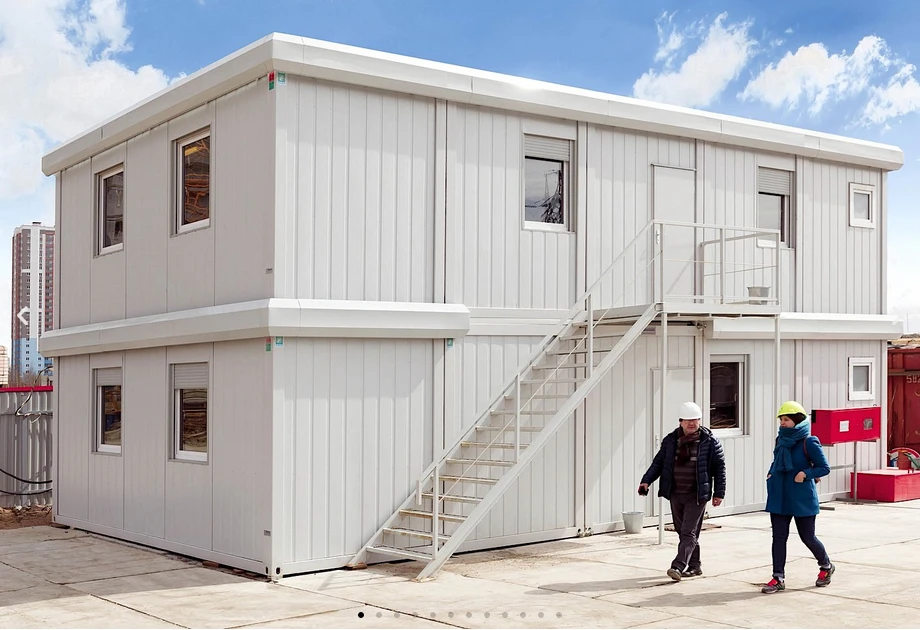

The commercial property landscape is evolving rapidly as businesses search for smarter, faster, and more flexible ways to create functional environments. Traditional construction methods often require long timelines, high costs, and permanent commitments that do not always suit modern business needs. In response to these challenges, modular containers have emerged as a powerful alternative that is reshaping how commercial spaces are designed, built, and used.
Modular containers offer adaptability, efficiency, and sustainability while supporting a wide range of commercial applications. From retail and hospitality to offices and industrial facilities, these structures are helping organizations respond quickly to changing market demands. This article explores how modular containers are transforming commercial spaces and why they are becoming an increasingly popular choice across industries.
Understanding Modular Containers in Commercial Construction
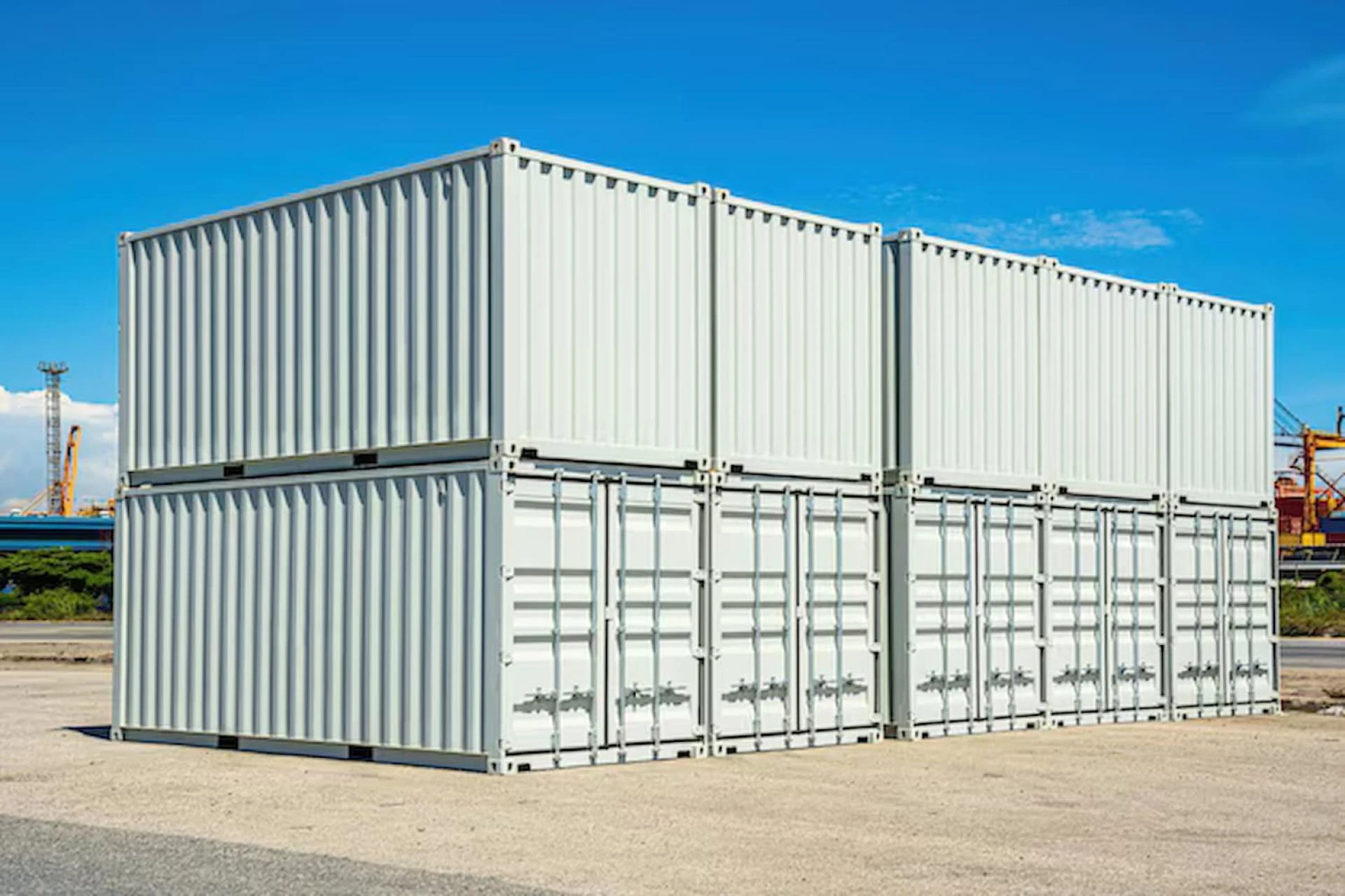
Modular containers are prefabricated structural units that are manufactured off site and later assembled at the desired location. Originally associated with storage and shipping, these containers have evolved into versatile building components suitable for permanent and temporary commercial use.
What Makes Modular Containers Unique
Modular containers are designed with standardized dimensions, which allows them to be stacked, joined, and customized with ease. Their structural strength makes them suitable for a variety of environments, while interior modifications can transform them into comfortable and functional commercial spaces.
Because much of the construction work takes place in a controlled factory environment, modular containers achieve higher quality consistency and reduce the risks associated with weather delays or material shortages.
Why Businesses Are Adopting Modular Containers
Businesses today value speed, flexibility, and cost control. Modular containers meet these needs by offering faster project completion times and predictable budgets. They also allow businesses to expand, relocate, or reconfigure their spaces with minimal disruption.
As industries continue to evolve, modular containers provide a solution that aligns with modern operational requirements and growth strategies.
Speed and Efficiency in Project Delivery
One of the most significant ways modular containers are transforming commercial spaces is through accelerated project timelines.
Reduced Construction Time
Traditional construction often involves sequential processes that can take months or even years to complete. Modular containers are built concurrently with site preparation, dramatically reducing the overall project duration. Once the containers arrive on site, assembly is typically completed in a matter of days or weeks.
This speed is especially valuable for businesses that need to launch quickly or respond to time sensitive opportunities.
Minimized Disruption to Operations
For companies expanding existing locations, modular containers can be installed with minimal impact on daily operations. This allows businesses to continue serving customers or maintaining productivity while new spaces are added.
Reduced on site activity also improves safety and lowers noise and congestion, creating a more efficient construction experience.
Cost Effective Commercial Solutions
Budget considerations play a critical role in commercial development decisions. Modular containers provide a financially attractive alternative to traditional construction.
Predictable and Transparent Costs
Because modular containers are manufactured in controlled environments, material usage and labor costs are easier to estimate. This leads to fewer unexpected expenses and greater budget certainty throughout the project lifecycle.
Businesses benefit from clear pricing structures and reduced risk of cost overruns.
Lower Long Term Expenses
Modular containers are built using durable materials designed to withstand heavy use and harsh conditions. Their longevity reduces maintenance costs over time, while energy efficient insulation and systems can lower utility expenses.
For businesses focused on long term value, modular containers offer an appealing return on investment.
Flexibility and Scalability for Growing Businesses
Commercial needs rarely remain static. Modular containers provide the adaptability required to support growth and change.
Easily Expandable Designs
As a business grows, additional modular containers can be added without the need for major reconstruction. This makes it easy to scale operations incrementally rather than committing to large expansions upfront.
This modular approach allows companies to align physical space with actual demand, reducing wasted resources.
Relocation and Reconfiguration Options
Unlike permanent structures, modular containers can be relocated or reconfigured as business priorities shift. This is particularly valuable for industries that operate in changing markets or temporary locations.
The ability to move and reuse structures supports operational agility and long term planning.
Sustainability and Environmental Benefits
Environmental responsibility is becoming a priority for many organizations. Modular containers contribute positively to sustainable construction practices.
Reduced Material Waste
Factory based manufacturing allows for precise material usage, which significantly reduces construction waste. Any excess materials can often be recycled within the production process.
This efficiency supports waste reduction goals and minimizes environmental impact.
Reuse and Recycling Advantages
Many modular containers are repurposed from existing units, extending their lifecycle and reducing the need for new raw materials. Even newly manufactured containers are designed for reuse and adaptability.
This approach aligns with circular economy principles and supports greener commercial development.
Design Versatility and Aesthetic Appeal
Modern modular containers are far removed from the plain industrial units of the past. Today, they offer impressive design flexibility and visual appeal.
Custom Interior Layouts
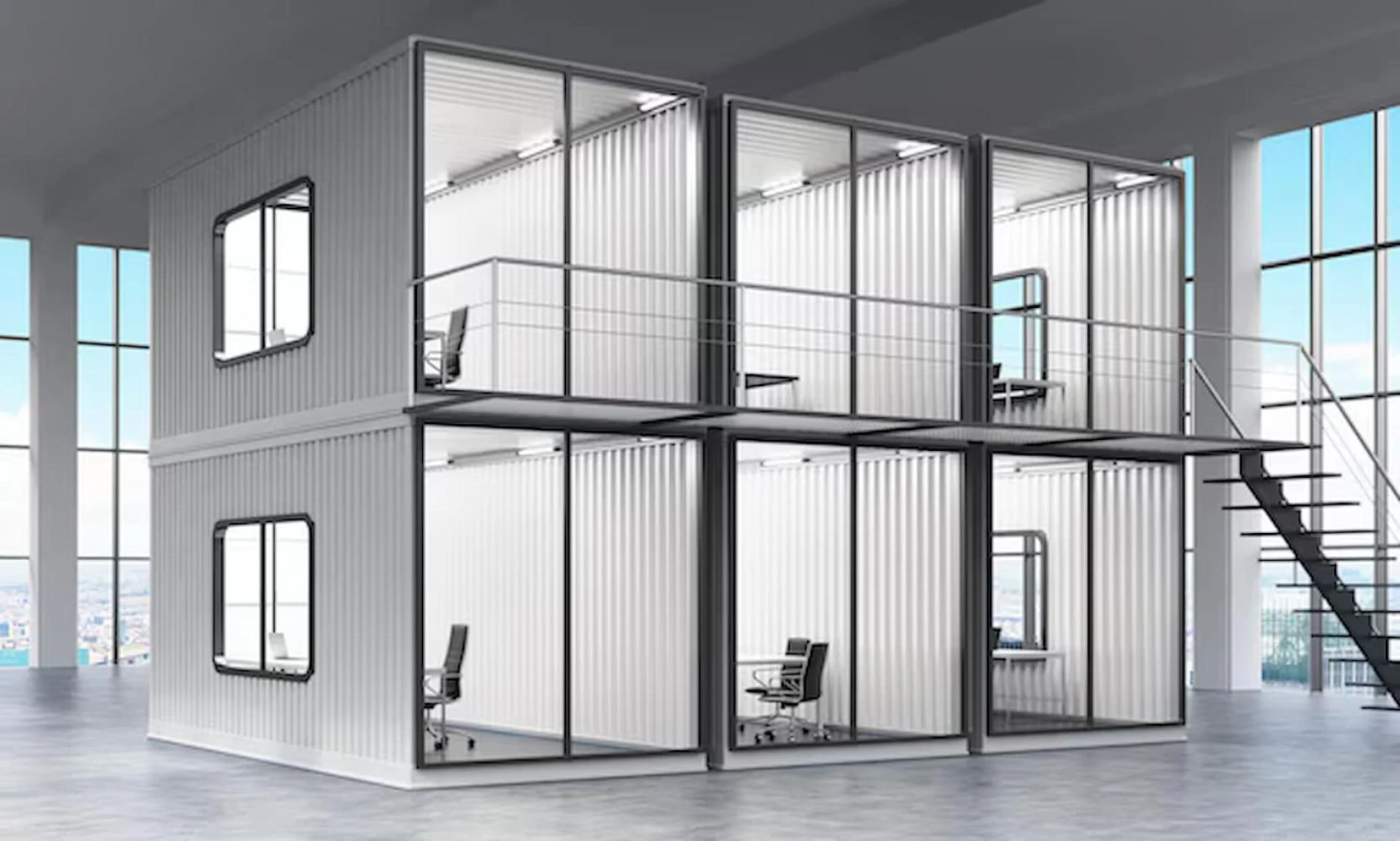
Modular containers can be fitted with customized interiors that include open workspaces, private offices, meeting rooms, retail displays, or hospitality amenities. Lighting, flooring, and finishes can be tailored to match brand identity and functional requirements.
This level of customization ensures that commercial spaces are both practical and inviting.
Exterior Design Options
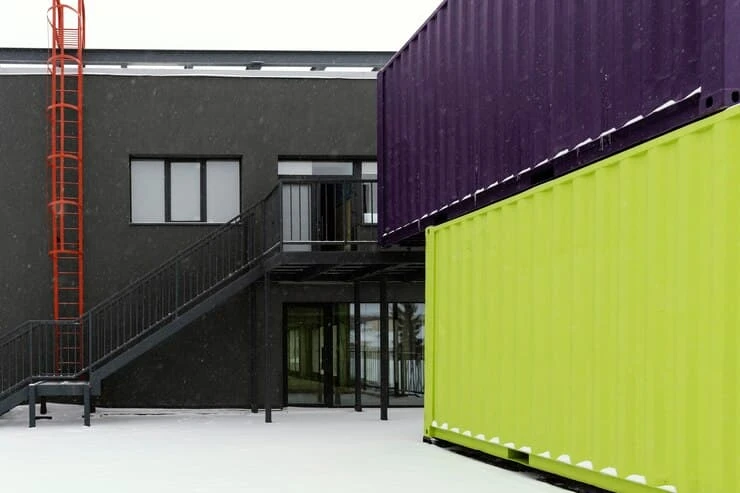
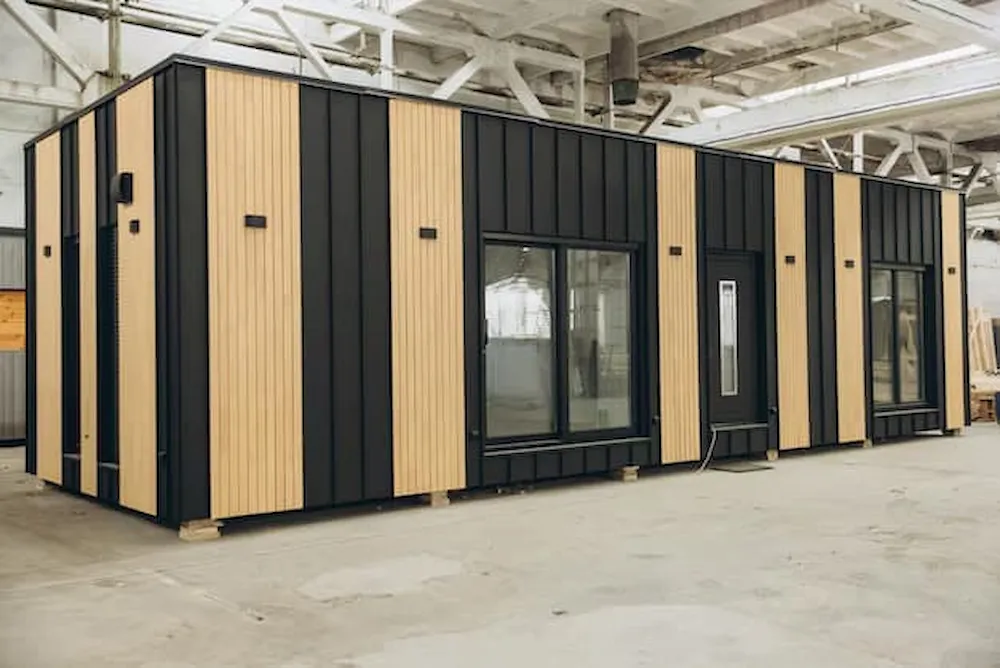
Exterior cladding, windows, and architectural features can transform modular containers into visually striking structures. They can blend seamlessly into urban environments or stand out as innovative design statements.
This versatility makes modular containers suitable for customer facing applications where appearance matters.
Applications Across Commercial Sectors
The adaptability of modular containers allows them to serve a wide range of commercial purposes.
Retail and Pop Up Spaces
Retailers are using modular containers to create pop up shops, seasonal stores, and mobile retail units. These spaces allow brands to test new markets, launch products, or create unique customer experiences without long term commitments.
The quick setup and removal process makes them ideal for dynamic retail strategies.
Office and Workspace Solutions
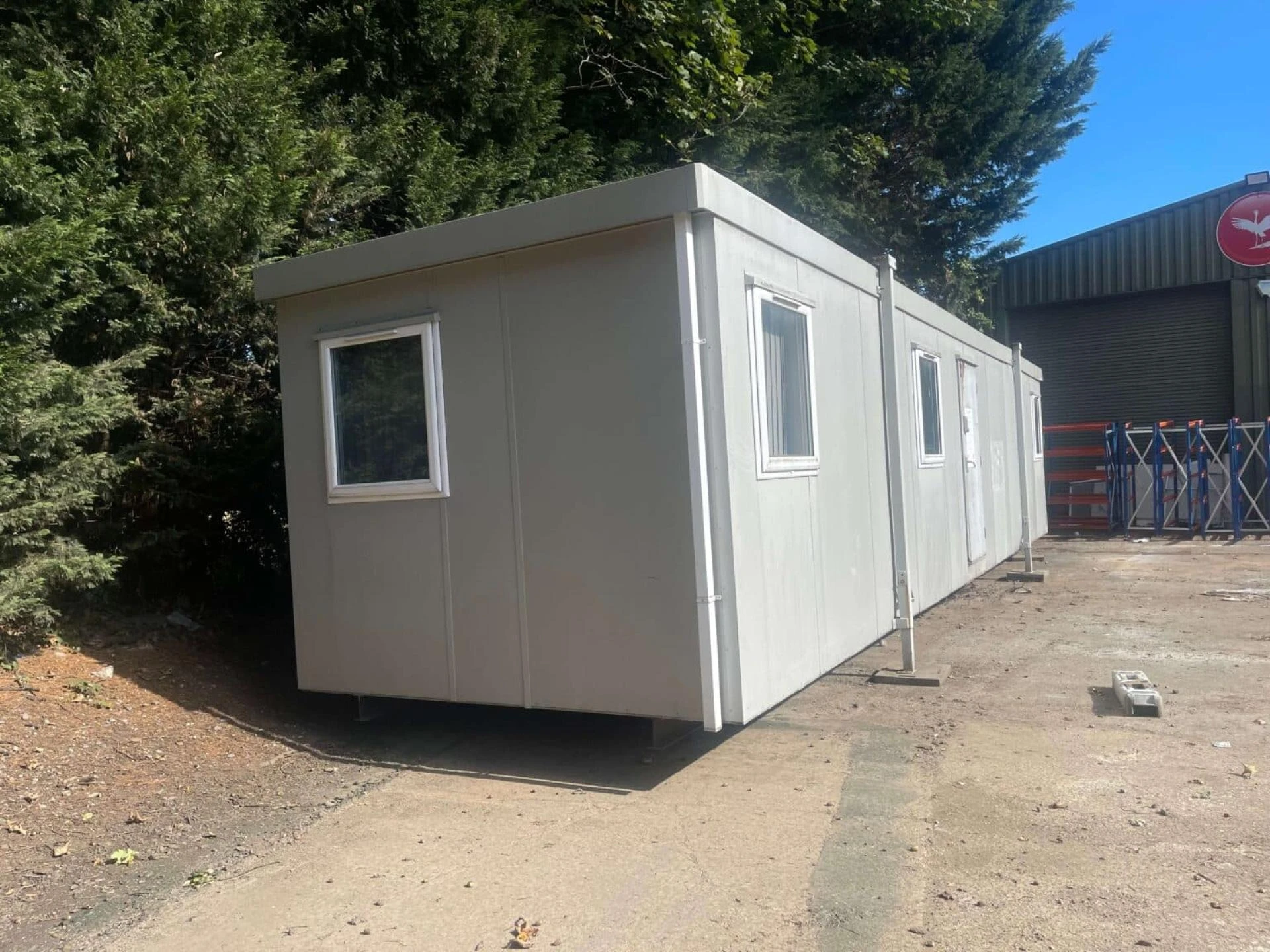
Modular containers are increasingly used for offices, coworking spaces, and temporary work sites. They provide comfortable and professional environments that can be deployed rapidly.
For remote locations or expanding teams, modular container offices offer a practical solution that supports productivity.
Hospitality and Food Services
Restaurants, cafes, and event venues are embracing modular containers for their flexibility and visual appeal. These structures can be customized with kitchens, seating areas, and service counters to meet industry standards.
Their portability also makes them suitable for festivals, outdoor events, and seasonal operations.
Industrial and Support Facilities
In industrial settings, modular containers are used for control rooms, training centers, and on site accommodation. Their durability and ease of installation make them well suited for challenging environments.
They provide reliable infrastructure that supports essential operations.
Compliance and Safety Considerations
Commercial spaces must meet regulatory and safety standards. Modular containers are designed with these requirements in mind.
Building Codes and Regulations
Modular containers can be engineered to comply with local building codes, zoning regulations, and safety standards. Manufacturers work closely with engineers and authorities to ensure compliance throughout the design and installation process.
This helps businesses avoid legal complications and ensures safe occupancy.
Structural Integrity and Safety Features
High quality modular containers are built to withstand heavy loads and environmental stress. Fire safety measures, proper insulation, and secure access points can be integrated into the design.
These features provide peace of mind for business owners and occupants alike.
The Future of Commercial Spaces with Modular Containers
As technology and design innovation continue to advance, the role of modular containers in commercial construction is expected to grow.
Integration of Smart Technologies
Future modular containers are likely to incorporate smart building systems that enhance energy efficiency, security, and user comfort. Automated lighting, climate control, and monitoring systems can be seamlessly integrated.
These advancements will further increase the value and functionality of modular container spaces.
Supporting Changing Work and Consumer Trends
Flexible work arrangements, experiential retail, and sustainable practices are shaping the future of commerce. Modular containers align perfectly with these trends by offering adaptable, efficient, and environmentally responsible solutions.
Their ability to evolve alongside business needs ensures continued relevance in a changing world.
Conclusion
Modular containers are transforming commercial spaces by offering a faster, more flexible, and cost effective approach to construction. Their adaptability supports a wide range of industries while addressing modern demands for sustainability, efficiency, and design innovation. As businesses continue to seek smarter ways to create and manage their physical environments, modular containers stand out as a forward thinking solution that delivers both immediate and long term benefits.
For organizations exploring modern commercial space solutions, Halletts Spaces represents a trusted name associated with innovation and quality in this evolving field.






















Sign in to leave a comment.