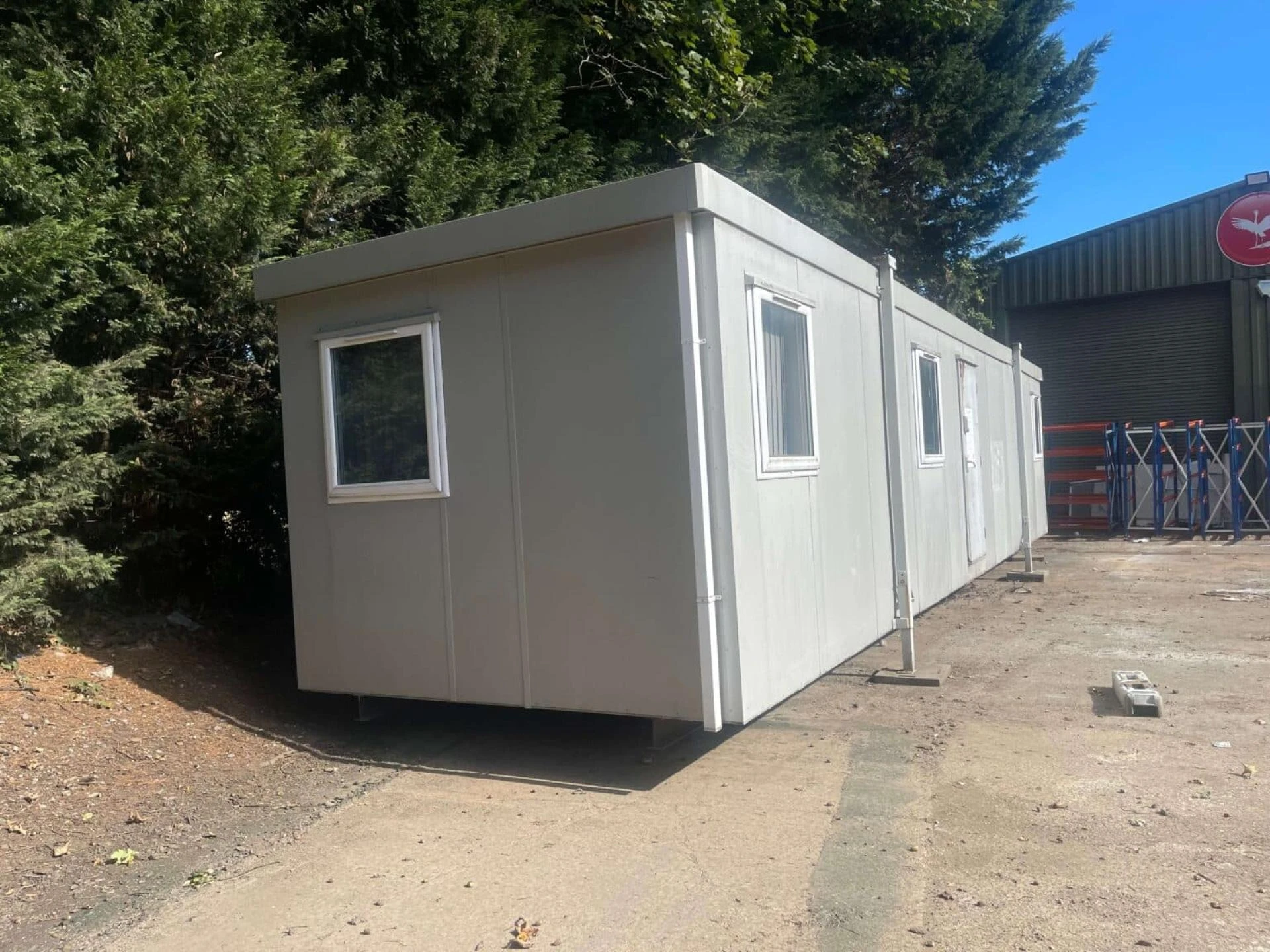

The modern commercial landscape is evolving rapidly as businesses search for smarter, more adaptable, and more sustainable ways to create functional environments. Traditional construction methods often struggle to keep pace with changing market demands, rising costs, and the need for speed. In response to these challenges, modular containers have emerged as a powerful alternative that is reshaping how commercial spaces are designed, built, and used.
Originally associated with logistics and storage, modular containers are now being transformed into offices, retail outlets, hospitality venues, and mixed use commercial hubs. Their flexibility, efficiency, and innovative design potential make them an appealing solution for businesses seeking agility without compromising quality or aesthetics. This article explores how modular containers are redefining commercial spaces and why they are becoming a preferred choice across industries.
Understanding Modular Containers in Commercial Design
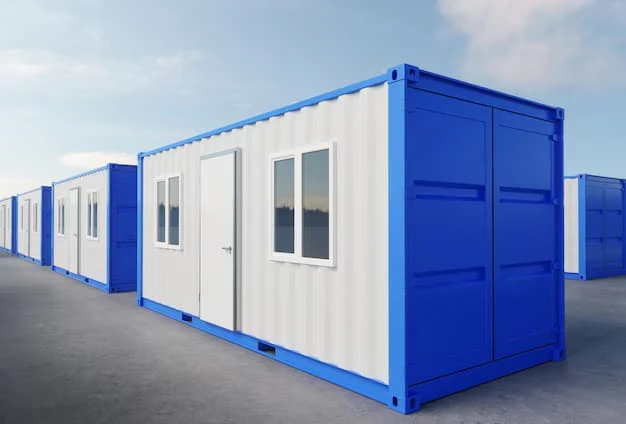
Modular containers are standardized steel structures that can be repurposed and customized for a wide range of commercial applications. Their modular nature allows them to be combined, stacked, or adapted to meet specific spatial and functional requirements.
What Makes Modular Containers Unique
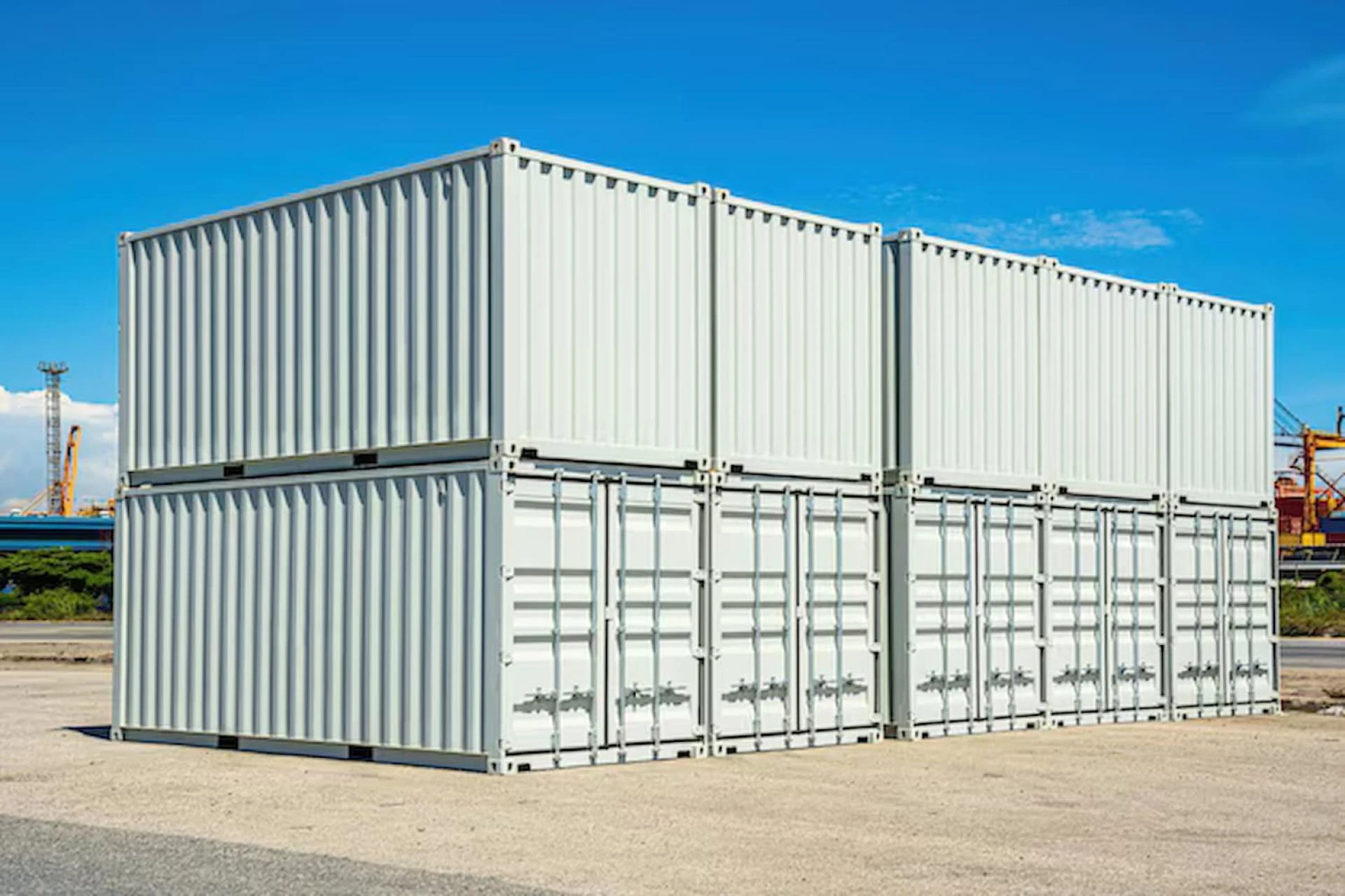
The defining feature of modular containers is their standardized dimensions and structural integrity. These qualities make them easy to transport, modify, and assemble on site. Unlike traditional construction, which requires extensive groundwork and long timelines, modular containers arrive largely pre built and ready for installation.
Their strength and durability allow them to withstand heavy use and challenging environments. At the same time, modern design techniques enable them to be fitted with insulation, glazing, electrical systems, and interior finishes that rival conventional buildings in comfort and appearance.
From Industrial Origins to Commercial Innovation
While modular containers were once confined to ports and warehouses, architects and designers have reimagined their potential. Through creative planning and engineering, these units have evolved into sophisticated commercial spaces that meet modern standards for safety, accessibility, and design. This transformation has positioned modular containers as a serious contender in the commercial construction sector.
Speed and Efficiency as Key Advantages
One of the most significant ways modular containers are redefining commercial spaces is through speed and efficiency. In competitive markets, the ability to open a new location quickly can be a decisive advantage.
Faster Construction Timelines
Traditional construction projects often take months or even years to complete. Modular containers significantly reduce this timeframe. Since much of the fabrication and customization occurs off site, on site work is limited mainly to installation and final connections.
This streamlined process allows businesses to move from concept to operation in a fraction of the time. Retailers can launch pop up stores for seasonal demand, offices can expand rapidly to accommodate growth, and hospitality venues can capitalize on emerging opportunities without long delays.
Reduced Disruption to Surroundings
Because modular container projects require less on site construction activity, they generate less noise, waste, and disruption. This is particularly valuable in urban areas where construction can interfere with neighboring businesses and communities. Faster installation also minimizes downtime, helping businesses maintain continuity.
Cost Efficiency Without Sacrificing Quality
Cost considerations play a major role in commercial development decisions. Modular containers offer a compelling balance between affordability and quality.
Predictable and Controlled Budgets
The standardized nature of modular containers allows for greater cost predictability. Materials, labor, and timelines are easier to estimate, reducing the risk of unexpected expenses. Off site fabrication further limits delays caused by weather or supply chain issues.
This level of financial control is especially appealing to small and medium sized enterprises that need reliable budgeting to manage cash flow effectively.
Long Term Value and Durability
Despite their cost efficiency, modular containers are built to last. Their steel construction provides excellent structural performance, and proper treatment ensures resistance to corrosion and wear. When designed thoughtfully, these spaces can serve businesses for many years, delivering strong long term value.
Flexibility and Scalability for Growing Businesses
Modern businesses rarely remain static. Growth, downsizing, and operational changes are common, and commercial spaces must adapt accordingly. Modular containers excel in this area.
Easy Expansion and Reconfiguration
One of the standout benefits of modular containers is their ability to scale. Additional units can be added as business needs grow, without the need for major reconstruction. Similarly, spaces can be reconfigured or relocated if priorities change.
This adaptability supports businesses that operate in dynamic markets, such as startups, event based enterprises, and seasonal retailers.
Temporary and Permanent Applications
Modular containers can function as both temporary and permanent commercial spaces. Some businesses use them as interim solutions during renovations or expansions, while others invest in fully permanent container based developments. This versatility allows organizations to align their space strategy with their long term goals.
Sustainability and Environmental Responsibility
Sustainability has become a central concern in commercial development. Modular containers contribute positively to environmental goals in several ways.
Reuse and Reduced Waste
By repurposing existing containers, modular construction reduces the demand for new raw materials. This reuse helps divert large steel structures from waste streams and lowers the environmental impact associated with traditional building materials.
Additionally, off site fabrication generates less waste and allows for more efficient material management.
Energy Efficient Design Opportunities
Modern modular container spaces can be designed with energy efficiency in mind. Insulation, energy efficient lighting, and climate control systems can be integrated to reduce operational energy use. Solar panels and rainwater collection systems can also be incorporated to further enhance sustainability.
Design Freedom and Aesthetic Appeal
A common misconception is that modular containers limit creativity. In reality, they offer significant design freedom.
Custom Interiors and Exteriors
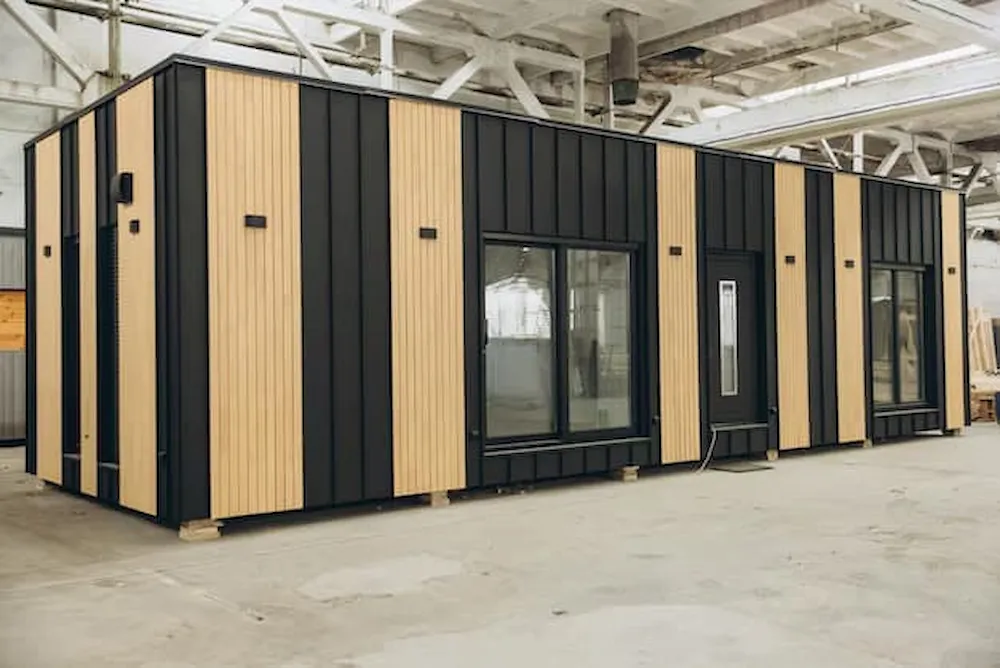
Modular containers can be customized to reflect a brand identity or create a specific atmosphere. Interiors can range from minimalist and industrial to warm and inviting, depending on finishes and layout. Exteriors can be clad, painted, or modified with architectural features to blend with surrounding environments.
This flexibility enables businesses to create distinctive spaces that attract customers and support employee wellbeing.
Innovative Architectural Concepts
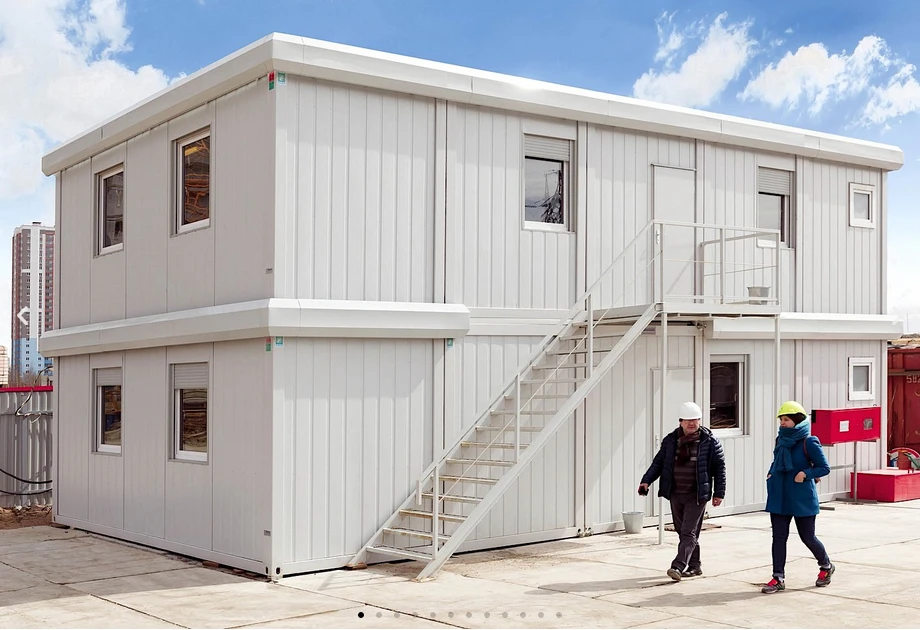
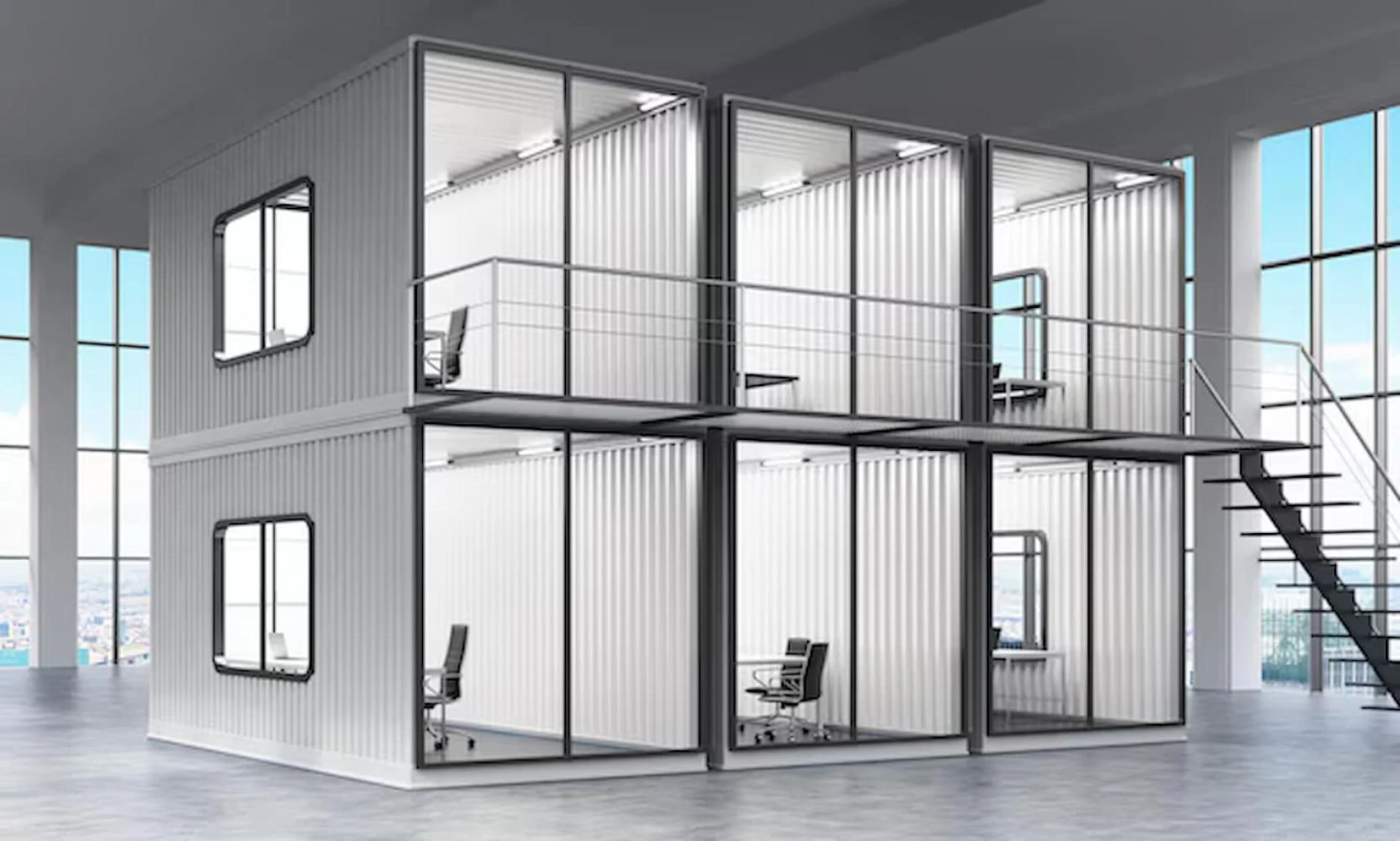
Architects are increasingly using modular containers to explore innovative forms and layouts. Stacked configurations, open plan designs, and mixed use developments demonstrate that container based commercial spaces can be both functional and visually striking.
Applications Across Commercial Sectors
The versatility of modular containers has led to widespread adoption across various commercial sectors.
Retail and Pop Up Experiences
Retailers use modular containers to create pop up shops, kiosks, and showrooms. These spaces allow brands to test new markets, launch products, or engage customers in unique settings without long term commitments.
Offices and Workspaces
Container based offices offer flexible solutions for businesses seeking modern work environments. They can be used as standalone offices, coworking spaces, or site offices for projects. Their adaptability supports changing team sizes and work styles.
Hospitality and Leisure
Restaurants, cafes, and accommodation providers are embracing modular containers for their distinctive appeal and efficient construction. From food courts to boutique lodging, these spaces offer memorable experiences while maintaining practical operations.
Overcoming Challenges and Misconceptions
While modular containers offer many benefits, successful implementation requires careful planning.
Addressing Comfort and Compliance
Ensuring comfort through proper insulation, ventilation, and lighting is essential. Compliance with local building regulations and accessibility standards must also be addressed during the design phase. With professional expertise, these challenges can be effectively managed.
Changing Perceptions
As modular containers become more prevalent, perceptions are shifting. High quality projects demonstrate that container based commercial spaces can be just as professional and inviting as traditional buildings. Education and exposure continue to play a role in overcoming outdated assumptions.
The Future of Commercial Spaces with Modular Containers
The growing adoption of modular containers signals a broader shift in how commercial spaces are conceived and delivered. As technology advances and sustainability expectations rise, these structures are likely to play an even greater role in the built environment.
Their ability to combine speed, flexibility, cost efficiency, and design innovation positions modular containers as a forward looking solution. Businesses that embrace this approach gain the agility needed to respond to changing markets while maintaining a strong physical presence.
Conclusion
Modular containers are redefining commercial spaces by offering a smarter alternative to traditional construction. Through efficiency, adaptability, sustainability, and design versatility, they address many of the challenges faced by modern businesses. As commercial needs continue to evolve, modular containers provide a practical and innovative foundation for spaces that are built for change, growth, and long term success.






















Sign in to leave a comment.