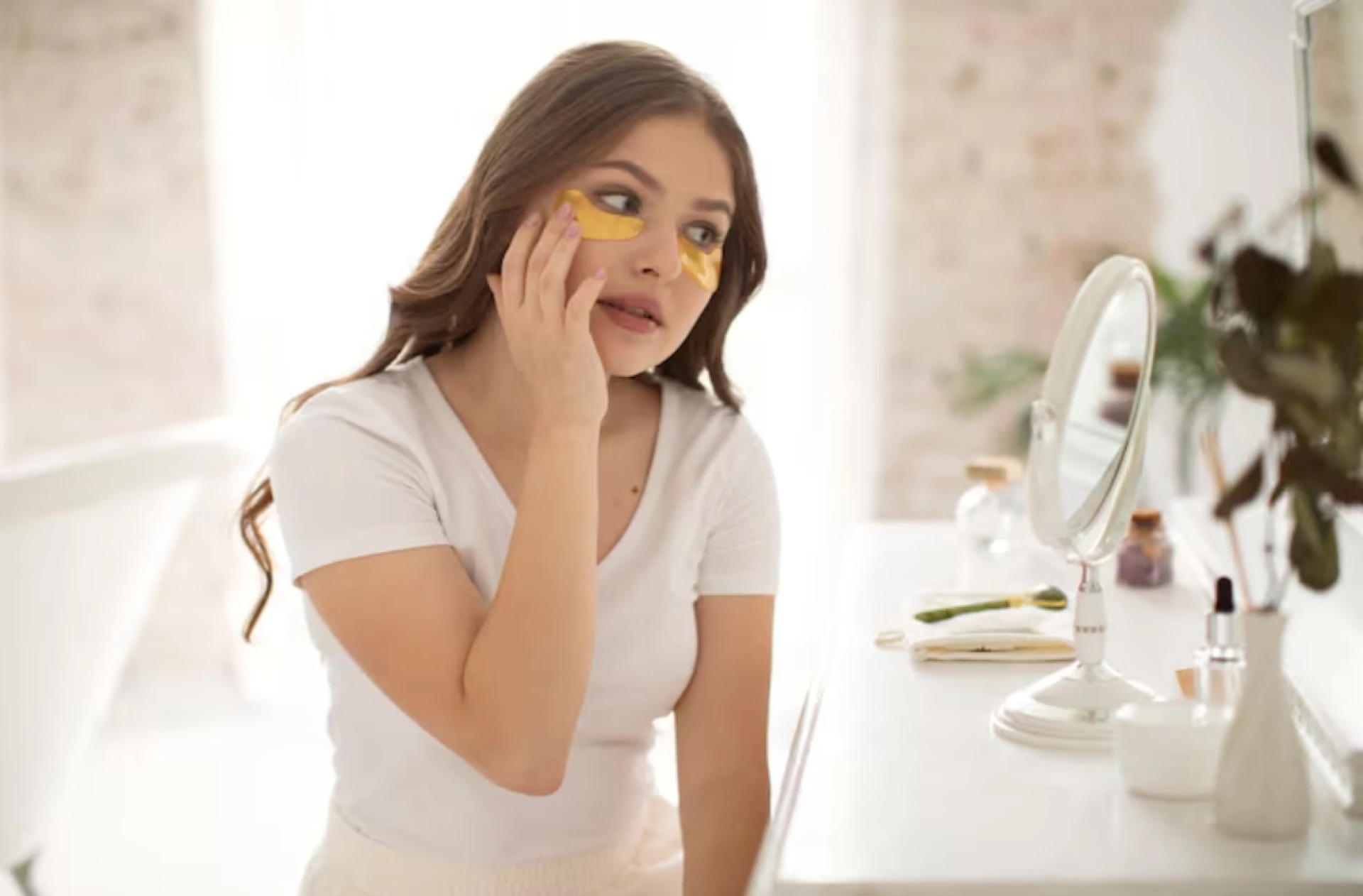

If you’ve ever stood in front of a skincare aisle feeling completely overwhelmed, you’re not alone. With countless bottles, jars, and tubes claiming to banish breakouts, it’s tough to know what will actually work for you. The truth is, finding the best acne products starts with understanding your skin type. Once you know what your skin needs, you can choose products that target acne without causing irritation or other problems.
In this guide, we’ll walk through exactly how to match acne-fighting products to your skin type so you can create a routine that works.
1. Identify Your Skin Type First
Before you pick any product, you need to know your skin type. This step is crucial because the best acne products for oily skin are often completely different from those for dry or sensitive skin. Here’s a quick breakdown:
- Oily Skin – Your skin produces excess oil, leading to shiny areas and clogged pores. You need lightweight, oil-free formulas that control sebum.
- Dry Skin – Your skin often feels tight or flaky. Look for hydrating acne treatments that won’t strip away natural moisture.
- Combination Skin – You have an oily T-zone but dry cheeks. Balanced products work best here.
- Sensitive Skin – Your skin reacts easily to harsh ingredients. Choose gentle, soothing options with minimal irritants.
Knowing where you stand will save you from trial-and-error frustration.
2. Understand the Ingredients That Work for You
Once you know your skin type, focus on the key ingredients that tackle acne effectively. The best acne products often contain:
- Salicylic Acid – A beta hydroxy acid that unclogs pores and reduces inflammation. Great for oily and combination skin.
- Benzoyl Peroxide – Targets acne-causing bacteria while reducing excess oil. Best for more stubborn breakouts.
- Tea Tree Oil – A natural antibacterial option that’s gentler but still effective. Ideal for sensitive skin types.
- Niacinamide – Calms redness and strengthens the skin barrier. Perfect for inflamed, irritated skin.
- Aloe Vera & Hyaluronic Acid – Provide soothing hydration while still allowing acne treatment.
When you read labels, make sure the ingredients align with your skin type and acne severity.
3. Match the Product Type to Your Needs
The best acne products come in many forms—cleansers, spot treatments, serums, and creams. Each serves a different purpose:
- Cleansers – Remove dirt, oil, and makeup while prepping your skin for treatment.
- Toners – Balance pH levels and add an extra layer of acne-fighting ingredients.
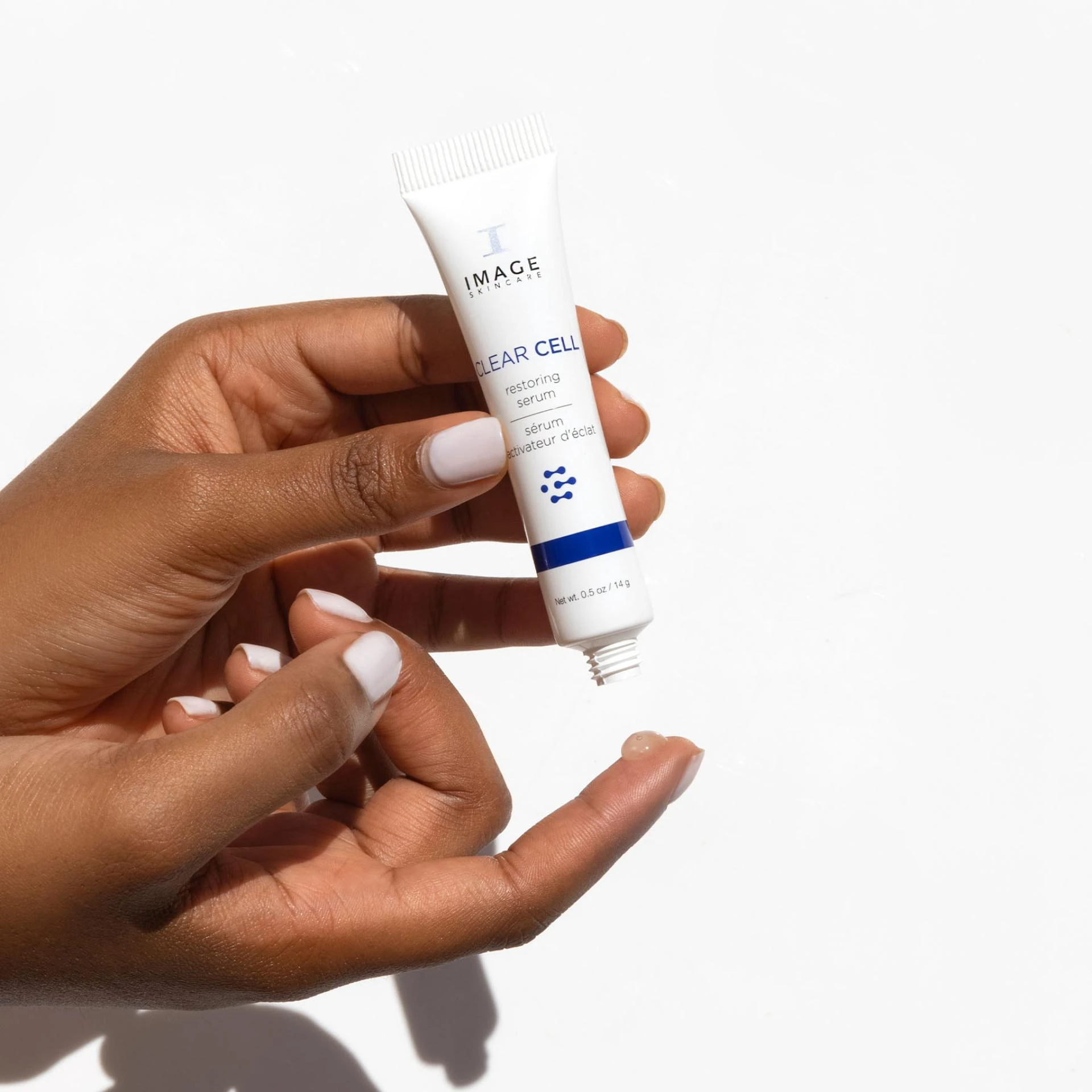
- Serums – Deliver concentrated active ingredients deep into the skin.
- Moisturizers – Keep your skin hydrated so it doesn’t overproduce oil.
- Spot Treatments – Target pimples directly for faster healing.
Instead of buying everything at once, start with a simple routine—cleanser, treatment, and moisturizer—and add products as needed.
4. Avoid Harsh Combinations
One of the biggest mistakes people make is using too many strong products together. For example, combining a high-strength benzoyl peroxide with a strong salicylic acid cleanser can leave your skin red, flaky, and more irritated.
The best acne products should work in harmony, not fight against each other. If you’re unsure, start with one active ingredient at a time and gradually introduce others.
5. Pay Attention to Your Skin’s Response
No matter how promising a product sounds, your skin’s reaction is the real test. It’s important to give your skin at least 3–4 weeks to adjust. Switching too quickly can prevent you from knowing whether something works.
Signs a product might be working:
- Fewer new breakouts
- Reduced redness and swelling
- Smoother skin texture
Signs it might not be the right choice:
- Persistent burning or stinging
- Excessive dryness or peeling
- Increased breakouts after several weeks
6. Factor in Your Lifestyle
Your daily habits also matter when choosing the best acne products. If you wear makeup often, you might need a cleanser that removes both dirt and cosmetics effectively. If you spend a lot of time outdoors, you’ll need a non-comedogenic sunscreen to protect your skin while treating acne.
The best skincare routine is one you can actually stick to consistently.
7. Don’t Forget Sun Protection
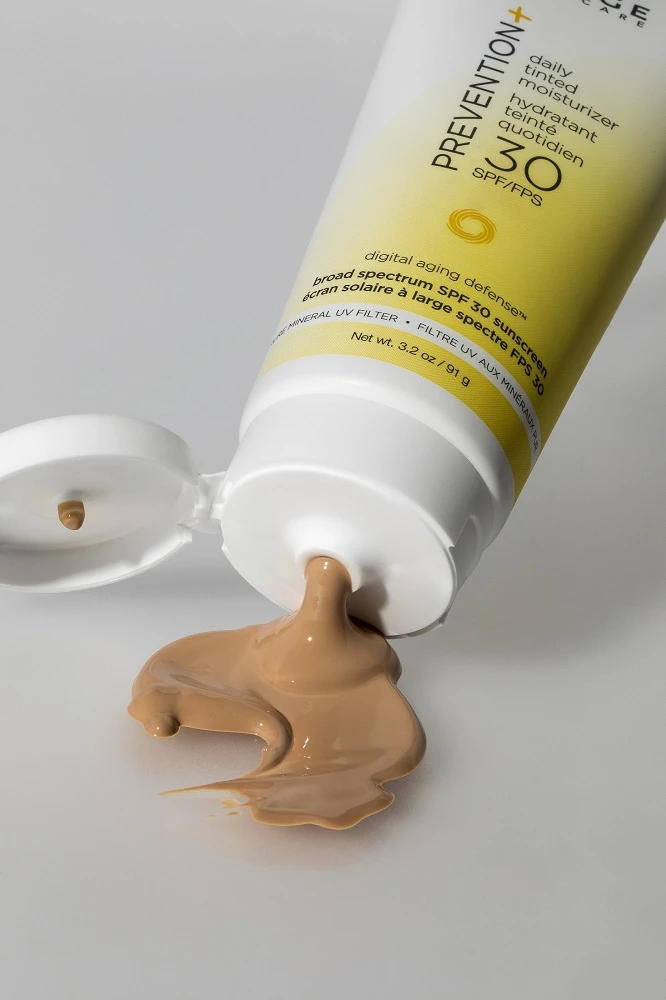
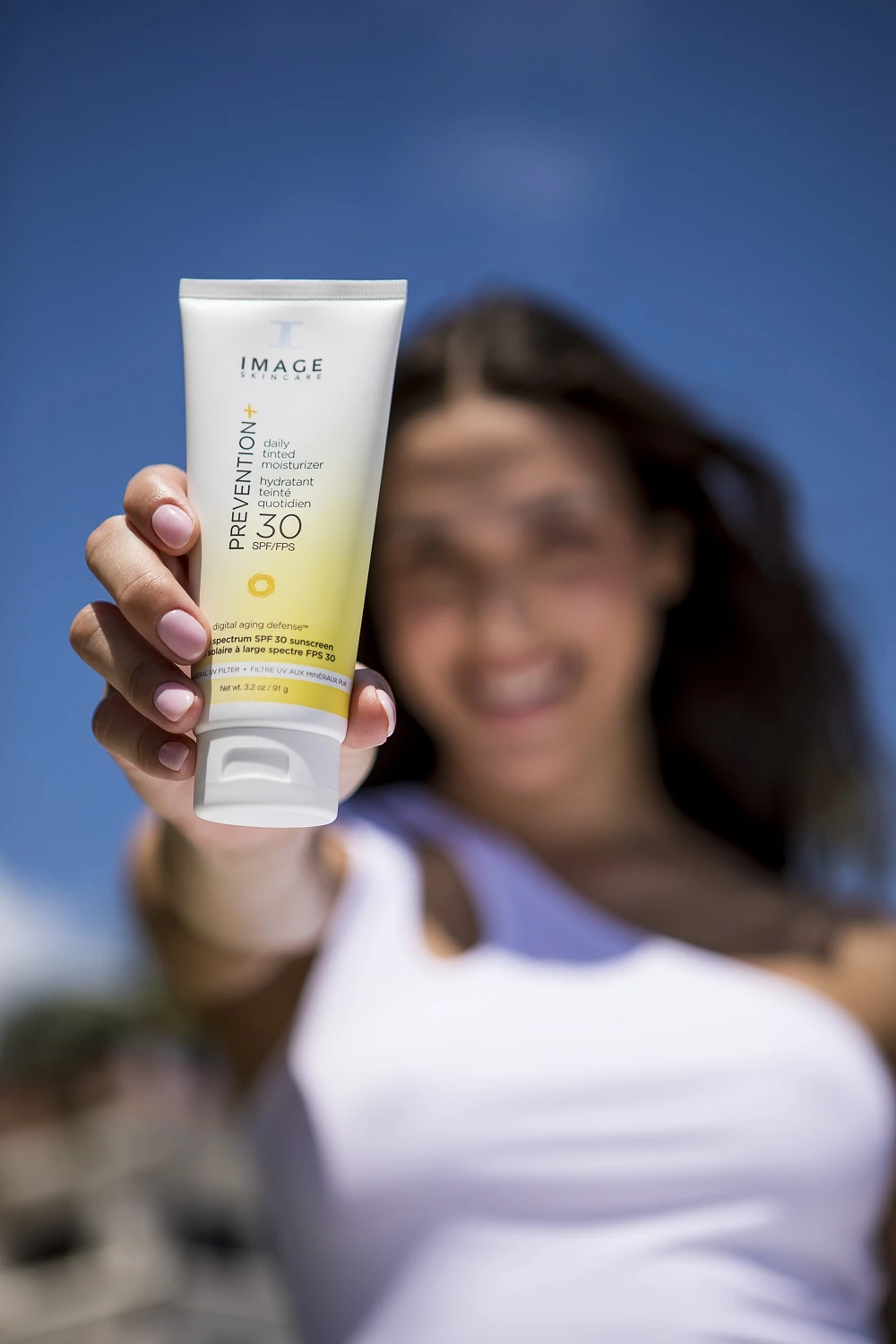
Some acne treatments, like retinoids or exfoliating acids, can make your skin more sensitive to sunlight. This means you’ll need to use sunscreen daily to prevent further irritation or dark spots. Look for lightweight, oil-free sunscreens that won’t clog pores.
8. Seek Professional Advice if Needed
If your acne is persistent, painful, or leaving scars, it’s worth visiting a dermatologist. They can recommend medical-grade treatments or help you find over-the-counter products that suit your skin perfectly.
Final Thoughts
Finding the best acne products for your skin type doesn’t have to feel like a guessing game. By understanding your skin type, learning which ingredients work best for you, and building a simple, consistent routine, you’ll see real improvements without overwhelming your skin.
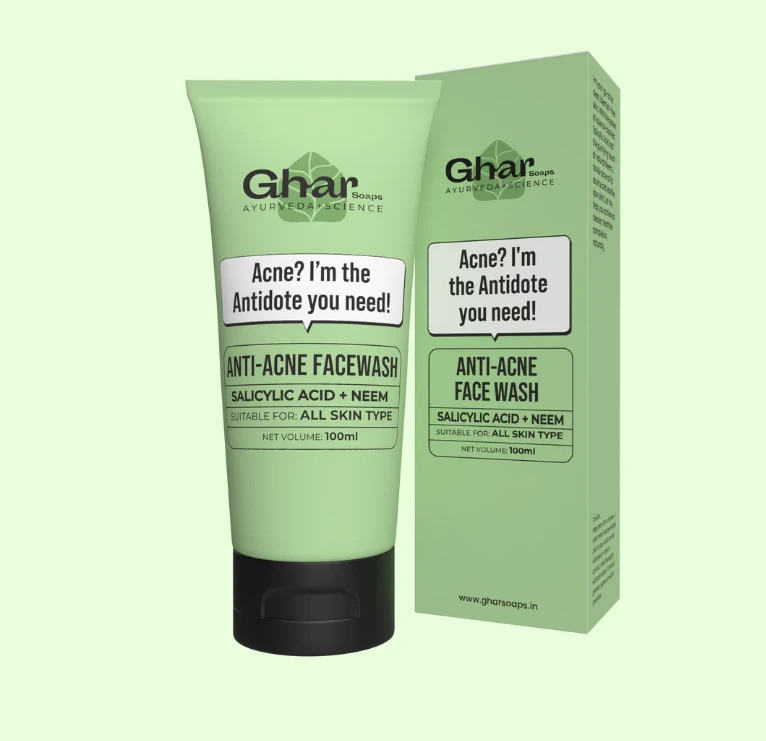
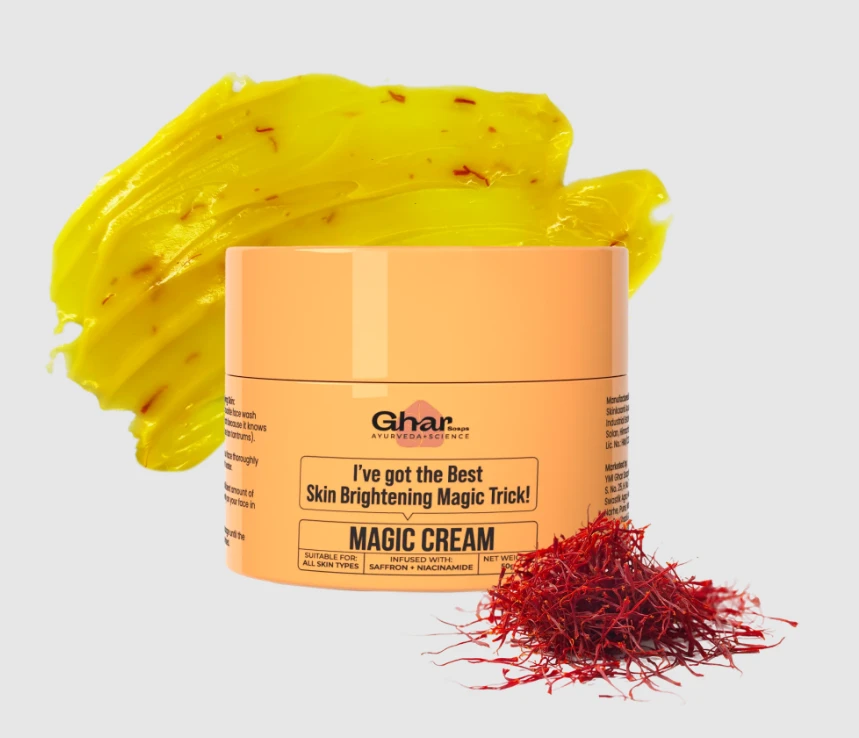
And remember—healthy skin is a long-term commitment, not an overnight miracle. Be patient, stay consistent, and choose quality products. Brands like GHAR SOAPS offer carefully formulated options that can help you tackle acne while keeping your skin balanced and nourished.













Sign in to leave a comment.